11 VOLUME 7 |ISSUE 1 |2016
Like the good Mormon girl I had been raised to be, I got married
quite young. My husband was everything I had been taught
was important he came from a Mormon family and, like a good
Mormon boy, he had completed a 2-year mission. We had been
on a few group dates but had spent very little time alone prior
to our wedding, which was right before my twenty-first birthday.
Married life was a rude awakening.
Then, at the same time, my mother suddenly stopped going to
church. I do not know if she had spoken about this to my father,
but she had not said anything to us children. It therefore felt
completely unexpected and to me seemed without a reason.
Looking back, I think she really did not know what to say. I can
say this though: Anything would have been better than nothing.
From my (and my siblings’) point of view, she suddenly started
to act like a rebellious teenager, and she made no sense. She
attacked the Church, and my father attacked her. He, like the rest
of us, became even more devout.
In church I would hear comments like “It’s a test of faith” and
“She will come back if you only…,” and I believed them. I tried to
do everything right, and I prayed for her to come back. I can see
now how lonely she must have been, still living with us but with
no support, and unable to express what she felt. She turned to
books and read all there was to read about the Church and its
history.
For 5 years, it was impossible to talk to her. All she would talk
about was the founder of the Church, Joseph Smith, and his
personality. My siblings and I pitied our father, who had to put
up with her and all of us limited our contact with her during
those years.
Joseph Smith was pictured in the Church as a saint almost
equated with Christ. He was held up to be the perfect man,
a loving husband and a devoted father who was unjustly
persecuted for his faith. He was hailed by leaders and praised in
hymns. It was not until very recently that the Church officially
admitted that Joseph, amongst other things, had lied to his wife
and married at least 32 other women, most of them behind her
back. And some of them were already married to other men
whom Joseph had sent out on missions in other countries.
I had no knowledge of the Church’s true history since reading
anything about the Church on the Internet was prohibited. I was
taught that everything written outside the Church or by former
members contained only lies, and the one reliable source of
the truth was the Church itself. This I honestly believed. I have a
master’s degree in civil engineering from one of Sweden’s top
universities but when it came to the Church, I fully accepted and
believed it was infallible. And if anyone raised a criticism, I would
stop listening and tell myself it was all lies.
After a few years, my mother finally persuaded my father to read
a book about the Church’s history, with the argument that he
at least needed to know what her criticism was based on. He
actually did begin to see her point of view and started to support
her instead of opposing her. This shift had a dramatic effect. Our
conversations at home were about everyday life again instead
of about Joseph Smith, and my mother’s rebellion seemed to
subside.
In retrospect, I realize that during these years my mother did not
try to influence us, or instill doubts about the Church, or urge us
to leave. Her misgivings had been more about Joseph’s character
as a person. This became particularly evident when my father
Then … my mother suddenly
stopped going to church.
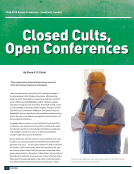
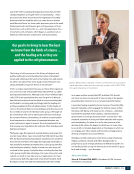
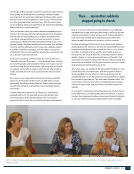
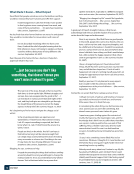
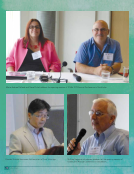
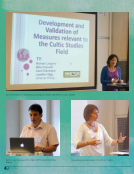
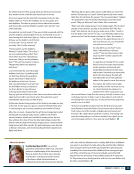
(left to right) Camilla Hanke, Eva Mackey Meyrat, and Ann Stamler discuss the unique challenges of former members who were born or
raised in cults.
Like the good Mormon girl I had been raised to be, I got married
quite young. My husband was everything I had been taught
was important he came from a Mormon family and, like a good
Mormon boy, he had completed a 2-year mission. We had been
on a few group dates but had spent very little time alone prior
to our wedding, which was right before my twenty-first birthday.
Married life was a rude awakening.
Then, at the same time, my mother suddenly stopped going to
church. I do not know if she had spoken about this to my father,
but she had not said anything to us children. It therefore felt
completely unexpected and to me seemed without a reason.
Looking back, I think she really did not know what to say. I can
say this though: Anything would have been better than nothing.
From my (and my siblings’) point of view, she suddenly started
to act like a rebellious teenager, and she made no sense. She
attacked the Church, and my father attacked her. He, like the rest
of us, became even more devout.
In church I would hear comments like “It’s a test of faith” and
“She will come back if you only…,” and I believed them. I tried to
do everything right, and I prayed for her to come back. I can see
now how lonely she must have been, still living with us but with
no support, and unable to express what she felt. She turned to
books and read all there was to read about the Church and its
history.
For 5 years, it was impossible to talk to her. All she would talk
about was the founder of the Church, Joseph Smith, and his
personality. My siblings and I pitied our father, who had to put
up with her and all of us limited our contact with her during
those years.
Joseph Smith was pictured in the Church as a saint almost
equated with Christ. He was held up to be the perfect man,
a loving husband and a devoted father who was unjustly
persecuted for his faith. He was hailed by leaders and praised in
hymns. It was not until very recently that the Church officially
admitted that Joseph, amongst other things, had lied to his wife
and married at least 32 other women, most of them behind her
back. And some of them were already married to other men
whom Joseph had sent out on missions in other countries.
I had no knowledge of the Church’s true history since reading
anything about the Church on the Internet was prohibited. I was
taught that everything written outside the Church or by former
members contained only lies, and the one reliable source of
the truth was the Church itself. This I honestly believed. I have a
master’s degree in civil engineering from one of Sweden’s top
universities but when it came to the Church, I fully accepted and
believed it was infallible. And if anyone raised a criticism, I would
stop listening and tell myself it was all lies.
After a few years, my mother finally persuaded my father to read
a book about the Church’s history, with the argument that he
at least needed to know what her criticism was based on. He
actually did begin to see her point of view and started to support
her instead of opposing her. This shift had a dramatic effect. Our
conversations at home were about everyday life again instead
of about Joseph Smith, and my mother’s rebellion seemed to
subside.
In retrospect, I realize that during these years my mother did not
try to influence us, or instill doubts about the Church, or urge us
to leave. Her misgivings had been more about Joseph’s character
as a person. This became particularly evident when my father
Then … my mother suddenly
stopped going to church.
(left to right) Camilla Hanke, Eva Mackey Meyrat, and Ann Stamler discuss the unique challenges of former members who were born or
raised in cults.