VOLUME 7 |ISSUE 1 |2016 3327
the repeated use of hypnosis and quasihypnotic practices
(such as meditation or extended and intense prayer) over
an extended period of time. Second, laboratory studies
do not and cannot ethically recreate high-demand (e.g.,
totalistic) environments,2 and therefore the use of hypnosis
within these contexts cannot be experimentally studied.
Third, in HDG/cultic settings the hypnotist (cult leader or
appointed lieutenants) is typically imbued with godlike
importance, power, and mystery—or may even claim to
be God. Although good clinical hypnotists typically have
and utilize personal charisma, they are professionally and
ethically bound not to make outrageous (let alone divine!)
claims about the uniqueness of their knowledge, personal
characteristics, talents, and abilities. Fourth, in HDGs,
hypnosis-like experiences often occur in group settings and
under conditions of significant group pressure to conform.
Academic experiments have rarely if ever utilized group
settings or contexts.
A Synthesis
Former members, interventionists, and clinicians have long
used hypnosis to explain some (and at times even all) of the
thought-reform processes observed in HDGs. I believe we
should not summarily dismiss this decades-long track record.
Yet scientific evidence does not support the idea that hypnosis
and quasihypnotic experiences are necessary and sufficient to
explain the degree of control we encounter in HDGs. I believe
a more nuanced explanation is needed.
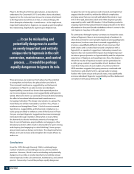
Referring to Figure 1, I think we can more precisely explain
the role hypnosis and quasihypnotic experiences play in
conversion, maintenance, and control of HDG members. In
cultic environments, hypnotic experiences typically occur in
the context of group pressure to conform. In many cases, the
cult recruit is already familiar with ASCs and quasihypnotic
experiences (and perhaps even hypnosis). In fact, the recruit
may even be seeking just such an experience. I believe this is
especially true for the fantasy-prone or highly hypnotizable
subject who may be consciously or unconsciously seeking a
guru, spiritual leader, or psychological teacher.
The Phase 1 Preexisting Conditions (i.e., they are present before
the very first HDG hypnotic or quasihypnotic induction)
set the stage for the next phase, the actual induction. Here,
situational factors can play a large role in increasing the
subject’s response to a hypnotic induction. As already noted,
some recruits enter the cultic environment wanting and
seeking a spiritual experience (although not typically a cultic
one!). The Phase 2 Situational Conditions include the leader’s
and group’s pressure for the subject to experience an ASC
(demand characteristics), the subject’s physical condition (e.g.,
sleep deprivation, information overload, hunger), suggestions
made prior to the hypnotic induction, suggestions made to
be carried out after the induction (posthypnotic suggestions),
and of course the native talent and charisma of the hypnotist
(the operator), who is usually the HDG leader or a lieutenant. Figure 1: The possible role of hypnosis in thought reform.
the repeated use of hypnosis and quasihypnotic practices
(such as meditation or extended and intense prayer) over
an extended period of time. Second, laboratory studies
do not and cannot ethically recreate high-demand (e.g.,
totalistic) environments,2 and therefore the use of hypnosis
within these contexts cannot be experimentally studied.
Third, in HDG/cultic settings the hypnotist (cult leader or
appointed lieutenants) is typically imbued with godlike
importance, power, and mystery—or may even claim to
be God. Although good clinical hypnotists typically have
and utilize personal charisma, they are professionally and
ethically bound not to make outrageous (let alone divine!)
claims about the uniqueness of their knowledge, personal
characteristics, talents, and abilities. Fourth, in HDGs,
hypnosis-like experiences often occur in group settings and
under conditions of significant group pressure to conform.
Academic experiments have rarely if ever utilized group
settings or contexts.
A Synthesis
Former members, interventionists, and clinicians have long
used hypnosis to explain some (and at times even all) of the
thought-reform processes observed in HDGs. I believe we
should not summarily dismiss this decades-long track record.
Yet scientific evidence does not support the idea that hypnosis
and quasihypnotic experiences are necessary and sufficient to
explain the degree of control we encounter in HDGs. I believe
a more nuanced explanation is needed.
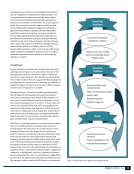
Referring to Figure 1, I think we can more precisely explain
the role hypnosis and quasihypnotic experiences play in
conversion, maintenance, and control of HDG members. In
cultic environments, hypnotic experiences typically occur in
the context of group pressure to conform. In many cases, the
cult recruit is already familiar with ASCs and quasihypnotic
experiences (and perhaps even hypnosis). In fact, the recruit
may even be seeking just such an experience. I believe this is
especially true for the fantasy-prone or highly hypnotizable
subject who may be consciously or unconsciously seeking a
guru, spiritual leader, or psychological teacher.
The Phase 1 Preexisting Conditions (i.e., they are present before
the very first HDG hypnotic or quasihypnotic induction)
set the stage for the next phase, the actual induction. Here,
situational factors can play a large role in increasing the
subject’s response to a hypnotic induction. As already noted,
some recruits enter the cultic environment wanting and
seeking a spiritual experience (although not typically a cultic
one!). The Phase 2 Situational Conditions include the leader’s
and group’s pressure for the subject to experience an ASC
(demand characteristics), the subject’s physical condition (e.g.,
sleep deprivation, information overload, hunger), suggestions
made prior to the hypnotic induction, suggestions made to
be carried out after the induction (posthypnotic suggestions),
and of course the native talent and charisma of the hypnotist
(the operator), who is usually the HDG leader or a lieutenant. Figure 1: The possible role of hypnosis in thought reform.