28 ICSA TODAY
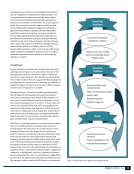
Phase 3, the Results of the two prior phases, is important to
understand. As Gruenwald (1971) and others have articulated,
hypnosis has for centuries been known to increase attachment
to the hypnotist (transference). In fact, in clinical therapy, the
client-therapist relationship—transference—is the single most
important healing factor hypnosis can speed up and strengthen
this relationship, hopefully for agreed-upon helpful ends.
These processes are reciprocal. Each phase has the potential
to strengthen and reinforce the phase before and after it.
The increased transference, suggestibility, and behavioral
compliance in Phase 3 can also increase an individual’s
hypnotizability (research has shown that repeated practice
can to some degree increase one’s suggestibility and hypnotic
talent). Moreover, there is a vast body of research demonstrating
the effect of emotional attachment and transference on
increasing motivation. The longer one remains in a group, the
more likely one will be motivated to conform. Thus, Phase 3
reinforces and strengthens Phase 1. And of course increased
transference, suggestibility, and behavioral compliance in a
cultic group are likely to enhance some of the factors in Phase
2 as pre- and post-hypnotic suggestions become increasingly
internalized through repetition. Meanwhile, in many HDGs
the demands to devote inordinate amounts of energy and
time to recruit, fundraise, pray/meditate, and engage in other
devotional activities often result in decreased time spent resting
and sleeping (and engaging in critical thinking). Some groups
also promote various dietary restrictions. The situational factors
(Phase 2) in turn increase and strengthen the results (Phase 3),
and so on.
Conclusions
From the 1970s through the early 1990s, a relatively large
number of articles connected hypnosis to cult-recruitment
practices. However, I think it can be misleading and potentially
dangerous to ascribe an overly important and entirely unique
role to hypnosis in the cult conversion, maintenance, and control
process. Conversely, it would be perhaps equally dangerous
to ignore its role. In my opinion, both research and experience
suggest that the truth lies within the difficult complexities
and gray areas that are scorned (and labeled heretical or even
evil) in the rigid, absolutist, black-and-white dogmas typically
espoused by cultic and HDG leaders. Critical thinking rooted in
ongoing experimental and phenomenological studies is the best
alternative to obscured closed-mindedness when it comes to the
role hypnosis may play in thought reform.
To summarize: Although mystery continues to shroud the exact
nature of hypnosis, there is an increasing body of evidence to
show that, at least for some people, hypnosis (and quasihypnotic
experiences) involves more than increased suggestibility it
involves a quantifiably different state of consciousness that
both creates and is created by increased compliance with a
hypnotist’s or operator’s suggestions. Laboratory research on
hypnosis has not examined the impact of prolonged exposure
to intense group dynamics on hypnotizability and the subjective
experience of hypnosis and quasihypnosis thus, the degree to
which the results of hypnosis research can be generalized to
a cultic group context is questionable at best. Evidence from
more than forty years of case studies of current and former
HDG members suggests that group pressure, combined with
transference and attachment to a group leader or group
leaders who claim unique and special status, may significantly
increase individuals’ hypnotic suggestibility and thus behavioral
compliance with group demands. n
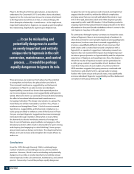
…it can be misleading and
potentially dangerous to ascribe
an overly important and entirely
unique role to hypnosis in the cult
conversion, maintenance, and control
process. …it would be perhaps
equally dangerous to ignore its role.
Phase 3, the Results of the two prior phases, is important to
understand. As Gruenwald (1971) and others have articulated,
hypnosis has for centuries been known to increase attachment
to the hypnotist (transference). In fact, in clinical therapy, the
client-therapist relationship—transference—is the single most
important healing factor hypnosis can speed up and strengthen
this relationship, hopefully for agreed-upon helpful ends.
These processes are reciprocal. Each phase has the potential
to strengthen and reinforce the phase before and after it.
The increased transference, suggestibility, and behavioral
compliance in Phase 3 can also increase an individual’s
hypnotizability (research has shown that repeated practice
can to some degree increase one’s suggestibility and hypnotic
talent). Moreover, there is a vast body of research demonstrating
the effect of emotional attachment and transference on
increasing motivation. The longer one remains in a group, the
more likely one will be motivated to conform. Thus, Phase 3
reinforces and strengthens Phase 1. And of course increased
transference, suggestibility, and behavioral compliance in a
cultic group are likely to enhance some of the factors in Phase
2 as pre- and post-hypnotic suggestions become increasingly
internalized through repetition. Meanwhile, in many HDGs
the demands to devote inordinate amounts of energy and
time to recruit, fundraise, pray/meditate, and engage in other
devotional activities often result in decreased time spent resting
and sleeping (and engaging in critical thinking). Some groups
also promote various dietary restrictions. The situational factors
(Phase 2) in turn increase and strengthen the results (Phase 3),
and so on.
Conclusions
From the 1970s through the early 1990s, a relatively large
number of articles connected hypnosis to cult-recruitment
practices. However, I think it can be misleading and potentially
dangerous to ascribe an overly important and entirely unique
role to hypnosis in the cult conversion, maintenance, and control
process. Conversely, it would be perhaps equally dangerous
to ignore its role. In my opinion, both research and experience
suggest that the truth lies within the difficult complexities
and gray areas that are scorned (and labeled heretical or even
evil) in the rigid, absolutist, black-and-white dogmas typically
espoused by cultic and HDG leaders. Critical thinking rooted in
ongoing experimental and phenomenological studies is the best
alternative to obscured closed-mindedness when it comes to the
role hypnosis may play in thought reform.
To summarize: Although mystery continues to shroud the exact
nature of hypnosis, there is an increasing body of evidence to
show that, at least for some people, hypnosis (and quasihypnotic
experiences) involves more than increased suggestibility it
involves a quantifiably different state of consciousness that
both creates and is created by increased compliance with a
hypnotist’s or operator’s suggestions. Laboratory research on
hypnosis has not examined the impact of prolonged exposure
to intense group dynamics on hypnotizability and the subjective
experience of hypnosis and quasihypnosis thus, the degree to
which the results of hypnosis research can be generalized to
a cultic group context is questionable at best. Evidence from
more than forty years of case studies of current and former
HDG members suggests that group pressure, combined with
transference and attachment to a group leader or group
leaders who claim unique and special status, may significantly
increase individuals’ hypnotic suggestibility and thus behavioral
compliance with group demands. n
…it can be misleading and
potentially dangerous to ascribe
an overly important and entirely
unique role to hypnosis in the cult
conversion, maintenance, and control
process. …it would be perhaps
equally dangerous to ignore its role.