Cultic Studies Review, Vol. 4, No. 1, 2005, Page 9
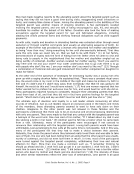
they had made negative reports to the alienating parent about the targeted parent such as
saying that they did not have a good time during visits, exaggerating small infractions or
hurts, and making false claims of harm. Joining the alienating parent in the belittling of the
targeted parent was another means of showing devotion. A few participants recalled
mocking the targeted parent, and one told of being encouraged to spit, hit, and sexually
humiliate his mother at the behest of his father. Devotion also took the form of making
accusations against the targeted parent for real and fabricated allegations, including
stealing the child‘s personal items and shirking financial obligations such as child support
payments.
As with cults, loyalty and devotion in alienating families was extracted either through sweet
seduction or through wrathful commands (and usually an alternating sequence of both). An
example of the former was provided by a woman who described her mother and stepfather
as being ―nicer than nice,‖ doing everything for her until she eventually believed, ―that they
were the only ones we could rely on, that we had to be with them.‖ (1) In her family,
demonstrations of loyalty took the form of hiding from her father when he came to visit and
being rude to people in the neighborhood that her mother and stepfather singled out as
being worthy of contempt. Another woman recalled her mother saying, ―Don‘t you want to
stay here with me and your sister? Your sister understands that to go over there is to go
with people who don‘t like me. I am your mother don‘t you want to like me?‖ (33) Through
a combination of rhetorical skill and guilt inducement this mother compelled her daughter to
reject her father.
At the other end of the spectrum of strategies for extracting loyalty was a young man who
grew up with a raging drunken father. He explained that, ―There was a constant ritual every
day. He would come in my room in the middle of the night and make me profess my faith to
him and if I didn‘t and if I didn‘t stay away from everybody else that he was going to kill
himself. He would do this and I would have nobody.‖ (17) And one woman reported that her
father wanted her to profess her exclusive love for him, and would beat her until she did so.
Many participants reported having to constantly reassure their alienating parents that they
loved them best of all, and that they did not in fact have positive feelings for the targeted
parent. ―She‘d start crying and say we didn‘t love her and that‘s just how she is.‖ (36)
The ultimate sign of devotion and loyalty to a cult leader entails renouncing all other
sources of influence. Just as cult leaders require an exclusive place in the hearts and minds
of the members, these alienating parents seemed to want to have sole claim on their
children. Allegiance to the other parent was not allowed in these families and the
participants understood that there was to be an exclusive and all encompassing relationship
with only one parent. They were made to feel that any contact with the targeted parent was
a betrayal of the worst kind. One man said of his mother, ―If I talked about my dad it was
like sticking a knife in her back.‖ (9) Another said he felt like a traitor when he came back
from a visit. Ultimately, many of the participants were encouraged if not coerced to
renounce their relationship with the targeted parent. Loving both parents would have been
unthinkable, just as belonging to two cults at the same time is not possible. And in this way,
many of the participants felt that they had to make a choice between their parents.
Naturally, they chose the parent whom they believed really loved them and was able to take
care of them, the one who had been telling them all along that the other parent was unsafe,
worthy of contempt, and did not even love them in return. In time, most of the participants
were turned against the targeted parent completely, withdrawing their love and natural
affection for them. More than one made a comment such as, ―I remember thinking he
should go ahead and die. I wish he‘d just go get in a car accident. I wish he‘d die. I didn‘t
want him to come home.‖ (22) Another said, ―I did believe her that he was a terrible rotten
person who beat my mother and thank god she divorced him.‖ (16) The intensity of these
and other similar statements reflect the utter lack of ambivalence, (one parent is all good
they had made negative reports to the alienating parent about the targeted parent such as
saying that they did not have a good time during visits, exaggerating small infractions or
hurts, and making false claims of harm. Joining the alienating parent in the belittling of the
targeted parent was another means of showing devotion. A few participants recalled
mocking the targeted parent, and one told of being encouraged to spit, hit, and sexually
humiliate his mother at the behest of his father. Devotion also took the form of making
accusations against the targeted parent for real and fabricated allegations, including
stealing the child‘s personal items and shirking financial obligations such as child support
payments.
As with cults, loyalty and devotion in alienating families was extracted either through sweet
seduction or through wrathful commands (and usually an alternating sequence of both). An
example of the former was provided by a woman who described her mother and stepfather
as being ―nicer than nice,‖ doing everything for her until she eventually believed, ―that they
were the only ones we could rely on, that we had to be with them.‖ (1) In her family,
demonstrations of loyalty took the form of hiding from her father when he came to visit and
being rude to people in the neighborhood that her mother and stepfather singled out as
being worthy of contempt. Another woman recalled her mother saying, ―Don‘t you want to
stay here with me and your sister? Your sister understands that to go over there is to go
with people who don‘t like me. I am your mother don‘t you want to like me?‖ (33) Through
a combination of rhetorical skill and guilt inducement this mother compelled her daughter to
reject her father.
At the other end of the spectrum of strategies for extracting loyalty was a young man who
grew up with a raging drunken father. He explained that, ―There was a constant ritual every
day. He would come in my room in the middle of the night and make me profess my faith to
him and if I didn‘t and if I didn‘t stay away from everybody else that he was going to kill
himself. He would do this and I would have nobody.‖ (17) And one woman reported that her
father wanted her to profess her exclusive love for him, and would beat her until she did so.
Many participants reported having to constantly reassure their alienating parents that they
loved them best of all, and that they did not in fact have positive feelings for the targeted
parent. ―She‘d start crying and say we didn‘t love her and that‘s just how she is.‖ (36)
The ultimate sign of devotion and loyalty to a cult leader entails renouncing all other
sources of influence. Just as cult leaders require an exclusive place in the hearts and minds
of the members, these alienating parents seemed to want to have sole claim on their
children. Allegiance to the other parent was not allowed in these families and the
participants understood that there was to be an exclusive and all encompassing relationship
with only one parent. They were made to feel that any contact with the targeted parent was
a betrayal of the worst kind. One man said of his mother, ―If I talked about my dad it was
like sticking a knife in her back.‖ (9) Another said he felt like a traitor when he came back
from a visit. Ultimately, many of the participants were encouraged if not coerced to
renounce their relationship with the targeted parent. Loving both parents would have been
unthinkable, just as belonging to two cults at the same time is not possible. And in this way,
many of the participants felt that they had to make a choice between their parents.
Naturally, they chose the parent whom they believed really loved them and was able to take
care of them, the one who had been telling them all along that the other parent was unsafe,
worthy of contempt, and did not even love them in return. In time, most of the participants
were turned against the targeted parent completely, withdrawing their love and natural
affection for them. More than one made a comment such as, ―I remember thinking he
should go ahead and die. I wish he‘d just go get in a car accident. I wish he‘d die. I didn‘t
want him to come home.‖ (22) Another said, ―I did believe her that he was a terrible rotten
person who beat my mother and thank god she divorced him.‖ (16) The intensity of these
and other similar statements reflect the utter lack of ambivalence, (one parent is all good