Cultic Studies Review, Vol. 4, No. 1, 2005, Page 16
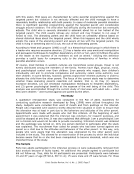
―slicing his wrists.‖ Another woman said she was a ―horrible horrible person‖ (19) for joining
her mother against her father.
Depression
Depression is a common experience for former cult members. They feel saddened about the
time they lost with their friends and family on the outside and for the fact that they gave up
their personal life dreams, aspirations and goals. Depression was also prevalent in the
adults interviewed for this study. Like former cult members, they too felt badly about the
time they lost. ―I missed many years with my father. Many wonderful years I could have
had with him.‖ (31) explained one participant. One man who did not find his father until
much later in life said he fully expected to meet him for the first time ―standing over his
grave.‖ (38) The participants expressed the belief that their depression was also due to
feeling rejected by the targeted parent, in addition to the time they lost with them. An older
woman whose mother died when she was just two-months-old provided a particularly
poignant example of this. At the time of the mother‘s death, her father was having difficulty
caring for five children while holding down a full-time job that required him to be away from
the home on alternating weeks. For this reason, he agreed to let his sister raise the baby.
This aunt, whom the participant called mommy, subsequently alienated her from her father.
She prevented visitation, denigrated him to her, and let it be known that any preference for
the father would be disloyal, hurtful, and not tolerated. Thus, the participant only saw her
father a few times a year despite the fact that he lived less than an hour away. Not only did
she lose her mother from an early death but she lost her father as well. Because the loss of
her father was unnecessary, she was particularly bitter. ―You lose your mother and you lose
your father and you‘re alone. I always felt alone.‖ (31) Another man explained his
experience with depression, ―I feel like I have a hole in my soul. And it is not something you
can physically point to and say here it is but you know it is there.‖ (38)
The impact of the loss of the targeted parent was exacerbated by the fact they were not
allowed to openly mourn this loss. In general the participants were discouraged from talking
about and/or expressing interest in their relationship with the targeted parent. Their loss
was not acknowledged and they received no emotional support in dealing with it. In fact,
quite the opposite message was conveyed, that it was a positive event for the targeted
parent to be out of their lives, essentially a ―good riddance to bad rubbish‖ message.
Inability to mourn a loss or significant life change is believed to be associated with
subsequent depression (Bowlby, 1980 Kubler-Ross, 1997) and this was certainly borne out
in the lives of the participants.
Lack of Trust
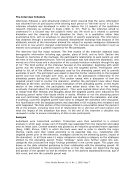
Lack of trust in themselves and others is a recurrent theme in interviews with former cult
members. They know that they were manipulated once and worry that it can happen again.
They realize that what they believed about the cult and the leader was actually not the case,
and therefore, do not trust themselves to be good judges of other‘s motives and character.
This theme was also common among the study participants. They did not trust their own
perceptions of people because from a young age they were told by one parent that the
other parent (whom most had positive memories of) was bad, dangerous, or in some other
way worthy of fear or contempt. Once they realized that they had been manipulated and
that what they been led to believe their whole lives about the targeted parent was not the
truth (or at least not the whole truth) they became even more unsure of what to believe
and whom to trust. ―Everything I believed is not so true.‖ (5) In addition, some women who
were alienated from their fathers reported not being able to trust that men would be able to
love them. They assumed that if their father (their first male love) did not love them enough
to stay involved in their lives no man would find them worthy of love and commitment. One
woman continually created conflict in her romantic relationships she tested them to see
―slicing his wrists.‖ Another woman said she was a ―horrible horrible person‖ (19) for joining
her mother against her father.
Depression
Depression is a common experience for former cult members. They feel saddened about the
time they lost with their friends and family on the outside and for the fact that they gave up
their personal life dreams, aspirations and goals. Depression was also prevalent in the
adults interviewed for this study. Like former cult members, they too felt badly about the
time they lost. ―I missed many years with my father. Many wonderful years I could have
had with him.‖ (31) explained one participant. One man who did not find his father until
much later in life said he fully expected to meet him for the first time ―standing over his
grave.‖ (38) The participants expressed the belief that their depression was also due to
feeling rejected by the targeted parent, in addition to the time they lost with them. An older
woman whose mother died when she was just two-months-old provided a particularly
poignant example of this. At the time of the mother‘s death, her father was having difficulty
caring for five children while holding down a full-time job that required him to be away from
the home on alternating weeks. For this reason, he agreed to let his sister raise the baby.
This aunt, whom the participant called mommy, subsequently alienated her from her father.
She prevented visitation, denigrated him to her, and let it be known that any preference for
the father would be disloyal, hurtful, and not tolerated. Thus, the participant only saw her
father a few times a year despite the fact that he lived less than an hour away. Not only did
she lose her mother from an early death but she lost her father as well. Because the loss of
her father was unnecessary, she was particularly bitter. ―You lose your mother and you lose
your father and you‘re alone. I always felt alone.‖ (31) Another man explained his
experience with depression, ―I feel like I have a hole in my soul. And it is not something you
can physically point to and say here it is but you know it is there.‖ (38)
The impact of the loss of the targeted parent was exacerbated by the fact they were not
allowed to openly mourn this loss. In general the participants were discouraged from talking
about and/or expressing interest in their relationship with the targeted parent. Their loss
was not acknowledged and they received no emotional support in dealing with it. In fact,
quite the opposite message was conveyed, that it was a positive event for the targeted
parent to be out of their lives, essentially a ―good riddance to bad rubbish‖ message.
Inability to mourn a loss or significant life change is believed to be associated with
subsequent depression (Bowlby, 1980 Kubler-Ross, 1997) and this was certainly borne out
in the lives of the participants.
Lack of Trust
Lack of trust in themselves and others is a recurrent theme in interviews with former cult
members. They know that they were manipulated once and worry that it can happen again.
They realize that what they believed about the cult and the leader was actually not the case,
and therefore, do not trust themselves to be good judges of other‘s motives and character.
This theme was also common among the study participants. They did not trust their own
perceptions of people because from a young age they were told by one parent that the
other parent (whom most had positive memories of) was bad, dangerous, or in some other
way worthy of fear or contempt. Once they realized that they had been manipulated and
that what they been led to believe their whole lives about the targeted parent was not the
truth (or at least not the whole truth) they became even more unsure of what to believe
and whom to trust. ―Everything I believed is not so true.‖ (5) In addition, some women who
were alienated from their fathers reported not being able to trust that men would be able to
love them. They assumed that if their father (their first male love) did not love them enough
to stay involved in their lives no man would find them worthy of love and commitment. One
woman continually created conflict in her romantic relationships she tested them to see