International Journal of Cultic Studies ■ Vol. 9, 2018 53
Conclusions
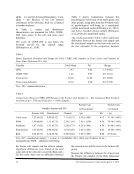
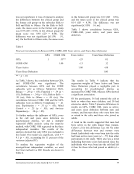
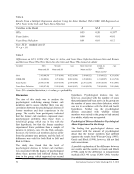
The results in this study show that former cult
members have more psychological problems
than participants from a normal sample,
particularly with regard to the risk of hurting
oneself and others, with a focus on hurting
oneself. Because of the correlation between the
GPA scale and psychological distress, we
suggest that the psychological abuse they have
experienced in the group causes, to a great
extent, the psychological distress among former
cult members, although the social consequences
of the defection should not be overlooked.
Furthermore, since the results from this study
show that former cult members have high levels
of risk, healthcare personnel, social workers, and
staff in support groups should pay extra attention
to risk tendencies among this population, in
particular, the risk of former members hurting
themselves. This finding might be relevant even
if a long time has passed since the defection, and
even if the former members were active in the
group only for a short period.
The findings underline recommendations to
healthcare providers to be observant about
sequelae of cult participation in the assessment
and treatment of these persons. We believe that
personnel who have dealings with former cult
members would be better prepared to help this
patient group if they have more knowledge of
cultic environments and the specific doctrines of
each group former members left, and also if they
explore different aspects of the former members’
experiences, including the thoughts and feelings
that being a member may create and how former
members are treated. The GPA scale could be of
great help in this respect, in combination with
information about the cult from support groups
for former cult members. Furthermore, such
knowledge would make it easier for treatment
personnel to fully comprehend the sometimes-
incredible experiences that these patients or
clients may reveal to them.
Acknowledgements
We thank all the individuals who responded the
questionnaire. Thanks to CORE IMS for
permission to reproduce CORE–OM
electronically for this study. Special thanks also
to Öjvind Jörgensen, Lund University, for all the
support to the first author when doing the first
version of this study as a thesis. Thanks also to
Gillie Jenkinson, Hope Valley Counselling, for
comments on the manuscript.
References
Almendros, C., Carrobles, J. A., Rodriguez-Carballeira, Á.,
Gámez-Guadix, M., Saldana, O, Garcia-Sánchez, R., and Salazar,
N., (2012). Fiabilidad Test-Retest y Validez Diagnoóstica de la
Escala de Abuso Psicológico en Grupo (GPA-S). International
Journal of Cultic Studies, 3, 35–48.
Aronoff, J., Lynn, S. J. &Malinoski, P. (2000). Are cultic
environments psychologically harmful? Clinical Psychology
Review, 20(1), 91–111.
Baron, R. S. (2000). Arousal, capacity, and intense indoctrination.
Personality and Social Psychology Review. 4(3), 238–254.
Buxant, C., Saroglou, V., Casalfiore, S., &Christians, L. L.
(2007). Cognitive and emotional characteristics of New Religious
Movement members: New questions and data on the mental health
issue. Mental Health, Religion &Culture, 10(3), 219–238.
Buxant, C. &Saroglou, V. (2008). Joining and leaving a new
religious movement: A study of ex-members' mental health.
Mental Health, Religion &Culture, 11(3), 251–271.
Chambers, W. V., Langone, M. D., Dole, A. A., &Grice, J. W.
(1994). The Group Psychological Abuse Scale: A measure of the
varieties of cultic abuse. Cultic Studies Journal, 11(1), 88–117.
Day, S., &Peters, E. (1999). The incidence of schizotypy in new
religious movements. Personality and Individual Differences, 27,
55–67.
Elfström, M. L., Evans, C., Lundgren, J., Johansson, B., Hakeberg,
M., &Carlsson, S. G. (2012). Validation of the Swedish version of
the Clinical Outcomes in Routine Evaluation Outcome Measure
(CORE–OM). Clinical Psychology and Psychotherapy 20, 447–
455. doi:10.1002/cpp.1788
Evans, C., Connell, J., Barkham, M., Margison, F., McGrath, G.,
Mellor-Clark, J., &Audin, K. (2002). Towards a standardised brief
outcome measure: Psychometric properties and utility of the
CORE–OM. British Journal of Psychiatry, 180, 51–60.
Gasde, I., &Block, R. A. (1998). Cult experience: Psychological
abuse, distress, personality characteristics, and changes in personal
relationships reported by former members of Church Universal and
Triumphant. Cultic Studies Journal, 15(2), 192–221.
Graham, J., &Haidt, J. (2010). Beyond beliefs: Religions bind
individuals into moral communities. Personality and Social
Psychology Review, 14(1), 140–150.
Holmqvist, R., Ström, T., &Foldemo, A. (2014). The effects of
psychological treatment in primary care in Sweden—A practice-
based study. Nordic Journal of Psychiatry, 68, 204–212.
Järvå, H. (2009). Påverkan och manipulation. I. H. Järvå (red.),
Sektsjuka (15–54). Lund: Studentlitteratur AB.
Latkin, C. A. (1995). New directions in applying psychological
theory to the study of new religions. The International Journal for
the Psychology of Religion, 5(3), 177–180.
Conclusions
The results in this study show that former cult
members have more psychological problems
than participants from a normal sample,
particularly with regard to the risk of hurting
oneself and others, with a focus on hurting
oneself. Because of the correlation between the
GPA scale and psychological distress, we
suggest that the psychological abuse they have
experienced in the group causes, to a great
extent, the psychological distress among former
cult members, although the social consequences
of the defection should not be overlooked.
Furthermore, since the results from this study
show that former cult members have high levels
of risk, healthcare personnel, social workers, and
staff in support groups should pay extra attention
to risk tendencies among this population, in
particular, the risk of former members hurting
themselves. This finding might be relevant even
if a long time has passed since the defection, and
even if the former members were active in the
group only for a short period.
The findings underline recommendations to
healthcare providers to be observant about
sequelae of cult participation in the assessment
and treatment of these persons. We believe that
personnel who have dealings with former cult
members would be better prepared to help this
patient group if they have more knowledge of
cultic environments and the specific doctrines of
each group former members left, and also if they
explore different aspects of the former members’
experiences, including the thoughts and feelings
that being a member may create and how former
members are treated. The GPA scale could be of
great help in this respect, in combination with
information about the cult from support groups
for former cult members. Furthermore, such
knowledge would make it easier for treatment
personnel to fully comprehend the sometimes-
incredible experiences that these patients or
clients may reveal to them.
Acknowledgements
We thank all the individuals who responded the
questionnaire. Thanks to CORE IMS for
permission to reproduce CORE–OM
electronically for this study. Special thanks also
to Öjvind Jörgensen, Lund University, for all the
support to the first author when doing the first
version of this study as a thesis. Thanks also to
Gillie Jenkinson, Hope Valley Counselling, for
comments on the manuscript.
References
Almendros, C., Carrobles, J. A., Rodriguez-Carballeira, Á.,
Gámez-Guadix, M., Saldana, O, Garcia-Sánchez, R., and Salazar,
N., (2012). Fiabilidad Test-Retest y Validez Diagnoóstica de la
Escala de Abuso Psicológico en Grupo (GPA-S). International
Journal of Cultic Studies, 3, 35–48.
Aronoff, J., Lynn, S. J. &Malinoski, P. (2000). Are cultic
environments psychologically harmful? Clinical Psychology
Review, 20(1), 91–111.
Baron, R. S. (2000). Arousal, capacity, and intense indoctrination.
Personality and Social Psychology Review. 4(3), 238–254.
Buxant, C., Saroglou, V., Casalfiore, S., &Christians, L. L.
(2007). Cognitive and emotional characteristics of New Religious
Movement members: New questions and data on the mental health
issue. Mental Health, Religion &Culture, 10(3), 219–238.
Buxant, C. &Saroglou, V. (2008). Joining and leaving a new
religious movement: A study of ex-members' mental health.
Mental Health, Religion &Culture, 11(3), 251–271.
Chambers, W. V., Langone, M. D., Dole, A. A., &Grice, J. W.
(1994). The Group Psychological Abuse Scale: A measure of the
varieties of cultic abuse. Cultic Studies Journal, 11(1), 88–117.
Day, S., &Peters, E. (1999). The incidence of schizotypy in new
religious movements. Personality and Individual Differences, 27,
55–67.
Elfström, M. L., Evans, C., Lundgren, J., Johansson, B., Hakeberg,
M., &Carlsson, S. G. (2012). Validation of the Swedish version of
the Clinical Outcomes in Routine Evaluation Outcome Measure
(CORE–OM). Clinical Psychology and Psychotherapy 20, 447–
455. doi:10.1002/cpp.1788
Evans, C., Connell, J., Barkham, M., Margison, F., McGrath, G.,
Mellor-Clark, J., &Audin, K. (2002). Towards a standardised brief
outcome measure: Psychometric properties and utility of the
CORE–OM. British Journal of Psychiatry, 180, 51–60.
Gasde, I., &Block, R. A. (1998). Cult experience: Psychological
abuse, distress, personality characteristics, and changes in personal
relationships reported by former members of Church Universal and
Triumphant. Cultic Studies Journal, 15(2), 192–221.
Graham, J., &Haidt, J. (2010). Beyond beliefs: Religions bind
individuals into moral communities. Personality and Social
Psychology Review, 14(1), 140–150.
Holmqvist, R., Ström, T., &Foldemo, A. (2014). The effects of
psychological treatment in primary care in Sweden—A practice-
based study. Nordic Journal of Psychiatry, 68, 204–212.
Järvå, H. (2009). Påverkan och manipulation. I. H. Järvå (red.),
Sektsjuka (15–54). Lund: Studentlitteratur AB.
Latkin, C. A. (1995). New directions in applying psychological
theory to the study of new religions. The International Journal for
the Psychology of Religion, 5(3), 177–180.