52 International Journal of Cultic Studies ■ Vol. 9, 2018
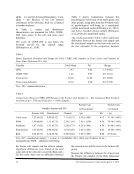
clinical group on three subscales, they reported
the same level on the Risk scale, where both
Risk to Self and Risk to Others results were on
the level of a clinical group. For both the former
cult members and for the clinical group, Risk to
Self was the predominant factor of these two
aspects. Healthcare personnel, social workers,
and others who interact with former cult
members should be aware of the fact that some
former members may have thoughts of hurting
themselves and may even have suicidal
thoughts.
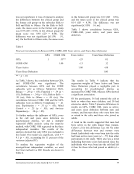
Interestingly, the correlation between the GPA
scale and CORE–OM was not higher for the
Risk scale than for the other subscales. The
increased risk might be associated with other
factors than the abuse experienced in the group.
In this study, as noted, the majority of the
participants were former members of the
Jehovah’s Witnesses, and it cannot be ruled out
that the questions in the GPA scale do not fully
capture the features of this organization. More
likely, however, the Risk to Self and Others
results might be explained by the participants’
social and familial break-up, which former
members of the Jehovah’s Witnesses often
experience.
Comparison Between Those Who Were Raised
in the Group and Those Who Joined As Adults
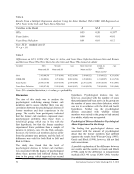
In the present study, there was no significant
difference in psychological well-being between
those who were raised in the cultic group and
those who had joined as adults. As mentioned
earlier, Buxant and Saroglou (2008) pointed out
that, for 14 of their 20 participants, the
disaffiliation from the group led to a social or
familial break-up, or both. In some
organizations, families and friends are strongly
encouraged to break all contact with the one
who leaves the group. This phenomenon could
serve as an example of how important the
doctrine for social interaction in the group is,
which contradicts the view of Graham and Haidt
(2010), who claimed that social interaction
between the members is the same, whatever the
doctrine is.
The social and familial break-up, which will
inevitably be the result of members leaving
certain groups, will probably lead to
considerable psychological distress for the
former members. Therefore, it could have been
expected that former members who were raised
in such groups and whose families are still
members would show more psychological
distress than those former members who had
joined the group as adults and might also have a
social network outside the group. However, the
results in the present study did not support such
an expectation, despite the fact that 41 of the 66
participants were former members of the
Jehovah’s Witnesses, who are very strict when it
comes to encouraging members to break the
connection with anyone who leaves the group.
Therefore, this result is in line with the result
from Buxant &Saroglou (2008). Differences
between adult and second-generation members
could be of interest for further studies.
Limitations
In this study, we found most of the participants
through the website of the Swedish support
organization Hjälpkällan, whose visitors are, to a
great extent, former members of the Jehovah’s
Witnesses. Both the fact that the visitors feel the
need of support from other former cult members
and that 41 of the 66 participants had been
members of the Jehovah’s Witnesses may
indicate that the participants were less
representative of former members in general.
However, in many of the studies carried out with
former cult members (e.g., Buxant &Saroglou,
2008 Gasde &Block, 1998 Walsh &Russell,
1995), the participants were active in only a few
organizations. It is, however, important to be
aware of potential differences in the
characteristics of psychological problems among
former members of different cults because of
their different experiences (Swartling &
Swartling, 1992). Another limitation is that the
participants in the present study were recruited
through websites. It is hard to know to what
extent former cult members use sites on the
Internet as support tools. It should also be noted
that the results are based on self-rated
questionnaires. There may thus be a risk of
method covariance. Furthermore, the results
from the analysis that pertain to the GPA scale
should be taken with caution because the GPA
scale is not validated in Sweden.
clinical group on three subscales, they reported
the same level on the Risk scale, where both
Risk to Self and Risk to Others results were on
the level of a clinical group. For both the former
cult members and for the clinical group, Risk to
Self was the predominant factor of these two
aspects. Healthcare personnel, social workers,
and others who interact with former cult
members should be aware of the fact that some
former members may have thoughts of hurting
themselves and may even have suicidal
thoughts.
Interestingly, the correlation between the GPA
scale and CORE–OM was not higher for the
Risk scale than for the other subscales. The
increased risk might be associated with other
factors than the abuse experienced in the group.
In this study, as noted, the majority of the
participants were former members of the
Jehovah’s Witnesses, and it cannot be ruled out
that the questions in the GPA scale do not fully
capture the features of this organization. More
likely, however, the Risk to Self and Others
results might be explained by the participants’
social and familial break-up, which former
members of the Jehovah’s Witnesses often
experience.
Comparison Between Those Who Were Raised
in the Group and Those Who Joined As Adults
In the present study, there was no significant
difference in psychological well-being between
those who were raised in the cultic group and
those who had joined as adults. As mentioned
earlier, Buxant and Saroglou (2008) pointed out
that, for 14 of their 20 participants, the
disaffiliation from the group led to a social or
familial break-up, or both. In some
organizations, families and friends are strongly
encouraged to break all contact with the one
who leaves the group. This phenomenon could
serve as an example of how important the
doctrine for social interaction in the group is,
which contradicts the view of Graham and Haidt
(2010), who claimed that social interaction
between the members is the same, whatever the
doctrine is.
The social and familial break-up, which will
inevitably be the result of members leaving
certain groups, will probably lead to
considerable psychological distress for the
former members. Therefore, it could have been
expected that former members who were raised
in such groups and whose families are still
members would show more psychological
distress than those former members who had
joined the group as adults and might also have a
social network outside the group. However, the
results in the present study did not support such
an expectation, despite the fact that 41 of the 66
participants were former members of the
Jehovah’s Witnesses, who are very strict when it
comes to encouraging members to break the
connection with anyone who leaves the group.
Therefore, this result is in line with the result
from Buxant &Saroglou (2008). Differences
between adult and second-generation members
could be of interest for further studies.
Limitations
In this study, we found most of the participants
through the website of the Swedish support
organization Hjälpkällan, whose visitors are, to a
great extent, former members of the Jehovah’s
Witnesses. Both the fact that the visitors feel the
need of support from other former cult members
and that 41 of the 66 participants had been
members of the Jehovah’s Witnesses may
indicate that the participants were less
representative of former members in general.
However, in many of the studies carried out with
former cult members (e.g., Buxant &Saroglou,
2008 Gasde &Block, 1998 Walsh &Russell,
1995), the participants were active in only a few
organizations. It is, however, important to be
aware of potential differences in the
characteristics of psychological problems among
former members of different cults because of
their different experiences (Swartling &
Swartling, 1992). Another limitation is that the
participants in the present study were recruited
through websites. It is hard to know to what
extent former cult members use sites on the
Internet as support tools. It should also be noted
that the results are based on self-rated
questionnaires. There may thus be a risk of
method covariance. Furthermore, the results
from the analysis that pertain to the GPA scale
should be taken with caution because the GPA
scale is not validated in Sweden.