Cultic Studies Journal, Vol. 9, No. 1, 1992, Page 71
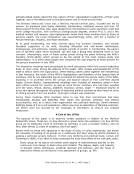
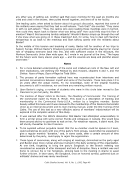
Initially, the sects offer security and stability to those who are upset in whatever way.
Sometimes they are emotionally disturbed sometimes they are separated from their families.
Unfortunately, the initial welcoming period can often be followed by a period of indoctrination,
leading to the sort of alienation from families and friends that causes so much unhappiness
and distress. It is difficult for us to quantify the extent of this distress, but an organization
known as Family Action Information and Rescue, which operates in the United Kingdom,
reports that last year it received 1,700 letters and 1,200 telephone calls in respect of different
cults and fringe groups. If we multiply those figures by the number of member countries
within the Council of Europe, I think we shall begin to appreciate the size and scale of the
problem.
In the second paragraph of my report I have provided some reasonably neutral definitions of
a sect. I have tried so far as I can to be fair in these matters. A somewhat less impartial
description has come from the Cult Information Centre. It defines cults as organizations that
"use deceptive and psychologically manipulative techniques to recruit unsuspecting people."
Of course, sects vary in their techniques and practices. Some are less dangerous than others,
but some are extremely dangerous. A distinguished consultant psychiatrist, Dr. Elizabeth
Tyldan, practices in my Bromley constituency in the United Kingdom. She has warned in letter
to one of my constituents of some of the dangers of these cults. I shall read a short part of
her letter. She writes:
In some cults children and even babies are subjected to sexual practices at an early
age which are abhorrent to practically every culture. In other cults, the excessively
rigid moral code can be applied so strictly that the normal development of sexuality
is warped and hampered. The literature of several cults prescribes a strict discipline
imposed by harsh means, abhorrent to anybody. An example of this is "rodding,"
where a rod is given to the mother to punish her baby for crying.
In other groups the dangers come from a different kind of exploitation. The Church of
Scientology, for example, has developed its promotional activities with great skill and success.
A local vicar in the East Grinstead area where the church has its headquarters is reported to
have said: "It's not a church, it's a front for charging people a lot of money for something it
cannot deliver." When one looks at its magazines, as I did the other day, one sees that the
charges are extremely high. An extraordinary array of books and cassettes on the teaching of
the now-deceased guru Mr. L. Ron Hubbard is advertised. They range from what is called "the
way to happiness extension course" for a mere L25 to "the Philadelphia doctorate course
lectures" for no less than L2,500.
Last summer some members of this Assembly were privileged to receive a foretaste of the
"way to happiness" teachings of the said Mr. Hubbard. They were sent an expensively bound
deluxe edition of what was described as "a very popular non-religious common sense guide."
Unfortunately, one did not come to me, but I have managed to obtain a copy. The sayings of
Mr. Hubbard are certainly basic. I have extracted just three gems for the debate. The first
reads:
Happiness. True joy and happiness are valuable. If one does not survive, no joy and
no happiness are obtainable.
The second reads:
Eat properly. People who do not eat properly are not of much help to you or
themselves. They tend to have a low energy level.
That one really touched my heart. The third one states:
Preserve your teeth. If one brushed one's teeth after every meal, it has been said
that one would not suffer tooth decay.
Initially, the sects offer security and stability to those who are upset in whatever way.
Sometimes they are emotionally disturbed sometimes they are separated from their families.
Unfortunately, the initial welcoming period can often be followed by a period of indoctrination,
leading to the sort of alienation from families and friends that causes so much unhappiness
and distress. It is difficult for us to quantify the extent of this distress, but an organization
known as Family Action Information and Rescue, which operates in the United Kingdom,
reports that last year it received 1,700 letters and 1,200 telephone calls in respect of different
cults and fringe groups. If we multiply those figures by the number of member countries
within the Council of Europe, I think we shall begin to appreciate the size and scale of the
problem.
In the second paragraph of my report I have provided some reasonably neutral definitions of
a sect. I have tried so far as I can to be fair in these matters. A somewhat less impartial
description has come from the Cult Information Centre. It defines cults as organizations that
"use deceptive and psychologically manipulative techniques to recruit unsuspecting people."
Of course, sects vary in their techniques and practices. Some are less dangerous than others,
but some are extremely dangerous. A distinguished consultant psychiatrist, Dr. Elizabeth
Tyldan, practices in my Bromley constituency in the United Kingdom. She has warned in letter
to one of my constituents of some of the dangers of these cults. I shall read a short part of
her letter. She writes:
In some cults children and even babies are subjected to sexual practices at an early
age which are abhorrent to practically every culture. In other cults, the excessively
rigid moral code can be applied so strictly that the normal development of sexuality
is warped and hampered. The literature of several cults prescribes a strict discipline
imposed by harsh means, abhorrent to anybody. An example of this is "rodding,"
where a rod is given to the mother to punish her baby for crying.
In other groups the dangers come from a different kind of exploitation. The Church of
Scientology, for example, has developed its promotional activities with great skill and success.
A local vicar in the East Grinstead area where the church has its headquarters is reported to
have said: "It's not a church, it's a front for charging people a lot of money for something it
cannot deliver." When one looks at its magazines, as I did the other day, one sees that the
charges are extremely high. An extraordinary array of books and cassettes on the teaching of
the now-deceased guru Mr. L. Ron Hubbard is advertised. They range from what is called "the
way to happiness extension course" for a mere L25 to "the Philadelphia doctorate course
lectures" for no less than L2,500.
Last summer some members of this Assembly were privileged to receive a foretaste of the
"way to happiness" teachings of the said Mr. Hubbard. They were sent an expensively bound
deluxe edition of what was described as "a very popular non-religious common sense guide."
Unfortunately, one did not come to me, but I have managed to obtain a copy. The sayings of
Mr. Hubbard are certainly basic. I have extracted just three gems for the debate. The first
reads:
Happiness. True joy and happiness are valuable. If one does not survive, no joy and
no happiness are obtainable.
The second reads:
Eat properly. People who do not eat properly are not of much help to you or
themselves. They tend to have a low energy level.
That one really touched my heart. The third one states:
Preserve your teeth. If one brushed one's teeth after every meal, it has been said
that one would not suffer tooth decay.