Cultic Studies Journal, Vol. 9, No. 1, 1992, Page 51
Psychiatric Problems in Ex-Members
of Word of Life
Gudrun Swartling, O.T.
Academic Hospital, Uppsala, Sweden
Per G. Swartling, M.D.
Tierps Hospital, Tierp, Sweden
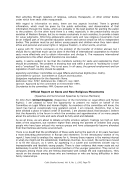
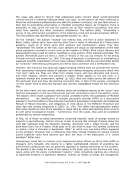
Abstract
Severe and often long-term psychiatric problems have been recognized in former
students of the Word of Life Bible School. Almost half of the 43 individuals inter-
viewed had experienced psychosis-like symptoms, and one out of four had attempted
suicide. Anxiety, feelings of guilt, and emotional disorders were common. Knowledge
of the Bible movement is essential in order to understand the crises of these
patients.
People who leave faith movements --represented in Sweden by Word of Life headquartered
in Uppsala --may display serious and long-term psychiatric problems that necessitate contact
with a physician. Swedish psychiatric textbooks do not touch upon the subject, but there is a
short description of cult victims in a textbook on general medicine (Tibblin &Haglund, 1989).
In the United States, Louis West, Professor of Psychiatry, UCLA, and Margaret Singer,
Professor of Psychology, UC-Berkeley, have coauthored a chapter on cults (West &Singer,
1980). In this extensive account of various cults and their common characteristics, the
authors describe a particular indoctrination syndrome. Among other things, this indoctrination
includes change of personality, emotional desensitizing, and physical changes in posture and
appearance which may be recognized as a mask-like happy facial expression with a
sometimes absent evasive or staring look.
Those who leave a cult are often hit by a strong feeling of loneliness and depression,
existential emptiness, and difficulty in making decisions. Sometimes there are
psychopathological traits such as compulsive thinking, delusions, and hallucinations. Singer
(1987) stresses that extensive knowledge of the operation of these movements is essential in
the treatment of former cultists.
On the one hand, Word of Life resembles other Christian churches in several respects. On the
other hand, however, there are great similarities with cults such as the Unification Church of
the Rev. Sun Myung Moon (“The Moonies”), Hare Krishna, and the Church of Scientology,
particularly in their methods of controlling the members. This becomes evident when ex-
members from the various cults compare their experiences.
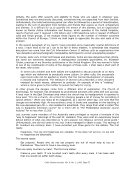
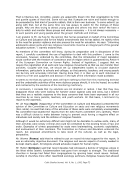
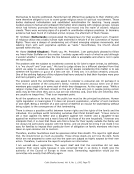
A common characteristic of cults is the intense mind control that members are subjected to,
which is introduced slowly and gradually increased. There are four characteristics of mind
control, as described by Hassan (1988):
1) Strict Rules of Living. Often this includes a particular style of dress prohibition or
strong dissuasion of films, books, or music not approved by the cult and a
weakening or breaking of former relationships with friends or family.
2) Thought Control. This occurs in the form of thought-preventive rituals with
monotonous repetitive mantras, speaking in tongues (which can be done silently
also), and time-consuming services with singing of praise. These activities reduce the
time for private reflection but do not lead to thought control per se. Actual thought
control only occurs when these activities are used mechanically with the intention of
suppressing doubt and critical thinking. Critical thoughts against the group are
Psychiatric Problems in Ex-Members
of Word of Life
Gudrun Swartling, O.T.
Academic Hospital, Uppsala, Sweden
Per G. Swartling, M.D.
Tierps Hospital, Tierp, Sweden
Abstract
Severe and often long-term psychiatric problems have been recognized in former
students of the Word of Life Bible School. Almost half of the 43 individuals inter-
viewed had experienced psychosis-like symptoms, and one out of four had attempted
suicide. Anxiety, feelings of guilt, and emotional disorders were common. Knowledge
of the Bible movement is essential in order to understand the crises of these
patients.
People who leave faith movements --represented in Sweden by Word of Life headquartered
in Uppsala --may display serious and long-term psychiatric problems that necessitate contact
with a physician. Swedish psychiatric textbooks do not touch upon the subject, but there is a
short description of cult victims in a textbook on general medicine (Tibblin &Haglund, 1989).
In the United States, Louis West, Professor of Psychiatry, UCLA, and Margaret Singer,
Professor of Psychology, UC-Berkeley, have coauthored a chapter on cults (West &Singer,
1980). In this extensive account of various cults and their common characteristics, the
authors describe a particular indoctrination syndrome. Among other things, this indoctrination
includes change of personality, emotional desensitizing, and physical changes in posture and
appearance which may be recognized as a mask-like happy facial expression with a
sometimes absent evasive or staring look.
Those who leave a cult are often hit by a strong feeling of loneliness and depression,
existential emptiness, and difficulty in making decisions. Sometimes there are
psychopathological traits such as compulsive thinking, delusions, and hallucinations. Singer
(1987) stresses that extensive knowledge of the operation of these movements is essential in
the treatment of former cultists.
On the one hand, Word of Life resembles other Christian churches in several respects. On the
other hand, however, there are great similarities with cults such as the Unification Church of
the Rev. Sun Myung Moon (“The Moonies”), Hare Krishna, and the Church of Scientology,
particularly in their methods of controlling the members. This becomes evident when ex-
members from the various cults compare their experiences.
A common characteristic of cults is the intense mind control that members are subjected to,
which is introduced slowly and gradually increased. There are four characteristics of mind
control, as described by Hassan (1988):
1) Strict Rules of Living. Often this includes a particular style of dress prohibition or
strong dissuasion of films, books, or music not approved by the cult and a
weakening or breaking of former relationships with friends or family.
2) Thought Control. This occurs in the form of thought-preventive rituals with
monotonous repetitive mantras, speaking in tongues (which can be done silently
also), and time-consuming services with singing of praise. These activities reduce the
time for private reflection but do not lead to thought control per se. Actual thought
control only occurs when these activities are used mechanically with the intention of
suppressing doubt and critical thinking. Critical thoughts against the group are