Cultic Studies Journal, Vol. 9, No. 1, 1992, Page 42
Guilt as a Counterforce
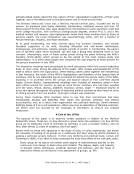
Guilt was one of the strongest forces in binding people to the organization and keeping
anyone from leaving. The logic went something like this: We had come to this willingly we
knew that it was a hard path and a chosen path. We knew that in fact there were too few
cadres, that not everyone was cut out for this life of hardship, sacrifice, and struggle. We
were taught to struggle, struggle, struggle --through endless effort and unsparing criticism --
to achieve the cadre ideal, which in fact, we were told, can never be achieved. Knowing all
this, having accepted this, then, how dare a cadre complain about hard work, long hours, no
sleep, no time for friends, no vacations, no money?! We compared ourselves to the fighters
against fascism in WWII. Resistance heroes were our role models, as were any communist
insurgents. We never for a moment considered that in fact we were not living in a country at
war, nor were we a people under siege. We behaved absolutely as though we were and we
held ourselves to those standards.
If a militant was on a personal errand (for example, a doctor’s appoint-ment) and the wait
was too long, he or she became anxious, angry, hostile because of the guilt and dread felt at
being gone from the facility for so long. For WDU members, times away from party work were
dominated by the fear of getting criticized when they got back or having to work even later or
being reported by a comrade for sloughing off. Going out into the world became a frightful
and unpleasant experience, fraught with anxiety. Militants felt that there was something
wrong with them if they had these other, nonparty things to do. They began not to do them.
Militants canceled, missed, or put off countless medical and dental appointments, car repairs,
family gatherings, driver’s license renewals, legal matters, even seeing their children. Militants
canceled their own weddings and failed to show up for their own parents’ funerals.
A Taste of Power
Without downplaying the devastating psychological effects of the techniques used by Baxter,
her second Sandra, and other top leadership, it is important to look at the type of power
dynamic that can be generated in cultic environments. In the WDU, Baxter and Sandra
became, in a sense, role models for perverse behavior, while the rest of the member-ship
provided the support mechanism for implementing a cruel, violent, and unjust life style. A
kind of mob mentality set in, not unlike what’s seen in the mafia, the Ku Klux Klan, or even
neighborhood gangs. Acknowledging each person’s participation in this conduct is by no
means meant to undermine the victimization of the membership by the cult. Rather, in my
opinion, it helps to explain how decent people can end up playing into the brutality of cults.
The following excerpt from a letter written by a former member is one explanation for how
these corrupt relationships worked in the WDU.
What horrifies me most when I look back on my time in the party was the form of
human relationship that was promulgated among the membership. Even beyond the
endless discipline and criticism, there was the near glee with which each one of us
pounded upon the other. The thing I remember most was the realization, awful to
admit, that some part of me rather enjoyed these [verbal] gang bangs upon the
existence of another human being. After all, where else in all my life would I have this
sort of power over another person? Where else would such meanness and pettiness
not only be accepted but also encouraged? In what other sphere of life would I have
the opportunity to be a) so right, b)so right and in a group, and c)have someone right
there in front of me who was so unabashedly wrong.
Whether or not one likes to think about it, these horrific public criticisms and
denunciations, those enforced betrayals of private friendship and personal
relationship could not have proceeded without the active participation of all the
member-ship. And the WDU could not have been the sort of party it was without
Guilt as a Counterforce
Guilt was one of the strongest forces in binding people to the organization and keeping
anyone from leaving. The logic went something like this: We had come to this willingly we
knew that it was a hard path and a chosen path. We knew that in fact there were too few
cadres, that not everyone was cut out for this life of hardship, sacrifice, and struggle. We
were taught to struggle, struggle, struggle --through endless effort and unsparing criticism --
to achieve the cadre ideal, which in fact, we were told, can never be achieved. Knowing all
this, having accepted this, then, how dare a cadre complain about hard work, long hours, no
sleep, no time for friends, no vacations, no money?! We compared ourselves to the fighters
against fascism in WWII. Resistance heroes were our role models, as were any communist
insurgents. We never for a moment considered that in fact we were not living in a country at
war, nor were we a people under siege. We behaved absolutely as though we were and we
held ourselves to those standards.
If a militant was on a personal errand (for example, a doctor’s appoint-ment) and the wait
was too long, he or she became anxious, angry, hostile because of the guilt and dread felt at
being gone from the facility for so long. For WDU members, times away from party work were
dominated by the fear of getting criticized when they got back or having to work even later or
being reported by a comrade for sloughing off. Going out into the world became a frightful
and unpleasant experience, fraught with anxiety. Militants felt that there was something
wrong with them if they had these other, nonparty things to do. They began not to do them.
Militants canceled, missed, or put off countless medical and dental appointments, car repairs,
family gatherings, driver’s license renewals, legal matters, even seeing their children. Militants
canceled their own weddings and failed to show up for their own parents’ funerals.
A Taste of Power
Without downplaying the devastating psychological effects of the techniques used by Baxter,
her second Sandra, and other top leadership, it is important to look at the type of power
dynamic that can be generated in cultic environments. In the WDU, Baxter and Sandra
became, in a sense, role models for perverse behavior, while the rest of the member-ship
provided the support mechanism for implementing a cruel, violent, and unjust life style. A
kind of mob mentality set in, not unlike what’s seen in the mafia, the Ku Klux Klan, or even
neighborhood gangs. Acknowledging each person’s participation in this conduct is by no
means meant to undermine the victimization of the membership by the cult. Rather, in my
opinion, it helps to explain how decent people can end up playing into the brutality of cults.
The following excerpt from a letter written by a former member is one explanation for how
these corrupt relationships worked in the WDU.
What horrifies me most when I look back on my time in the party was the form of
human relationship that was promulgated among the membership. Even beyond the
endless discipline and criticism, there was the near glee with which each one of us
pounded upon the other. The thing I remember most was the realization, awful to
admit, that some part of me rather enjoyed these [verbal] gang bangs upon the
existence of another human being. After all, where else in all my life would I have this
sort of power over another person? Where else would such meanness and pettiness
not only be accepted but also encouraged? In what other sphere of life would I have
the opportunity to be a) so right, b)so right and in a group, and c)have someone right
there in front of me who was so unabashedly wrong.
Whether or not one likes to think about it, these horrific public criticisms and
denunciations, those enforced betrayals of private friendship and personal
relationship could not have proceeded without the active participation of all the
member-ship. And the WDU could not have been the sort of party it was without