Cultic Studies Journal, Vol. 9, No. 1, 1992, Page 56
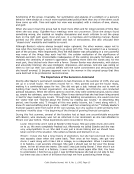
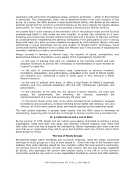
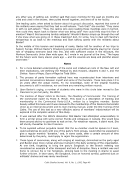
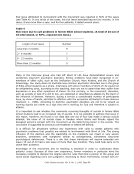
Sick leave attributed to involvement with the movement was reported in 56% of the cases
(see Table 4). In two thirds of the cases, the sick leave extended beyond two months in five
cases, it was more than a year and for four patients, it lasted several years.
Table 4
Sick leave due to cult problems in former Bible school students. (A total of 24 out of
43 interviewed, or 56%, required sick leave.)
Length of sick leave Number
Less than 2 months 9
2 -6 months 7
6 -12 months 3
More than 12 months 5
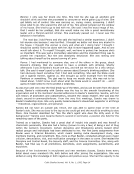
Many in the interview group who had left Word of Life have demonstrated severe and
sometimes long-term psychiatric disorders. Similar problems have been recognized in ex-
members of other cults, such as the Unification Church, Hare Krishna, and the Church of
Scientology. Our study does not illustrate how common psychiatric disorders are in the group
of Bible school students as a whole. Interviews with active members of Word of Life would not
be enlightening since, according to the teaching, they are not to admit that they suffer from
depression or any other symptoms of illness. On the contrary, in the movement, disorders,
such as anxiety or lack of a will to live, are explained or described as attacks by the Devil or
the influence of demons. However, during a service a considerable number of participants
have, by show of hands, admitted to affliction with the symptoms attributed to these demons
(Carlsson, J., 1988). According to doctrine, psychiatric disorders are not to be viewed as
warning signals but rather as a sign that one is working for God and therefore is subject to
attacks.
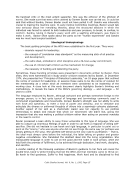
It is important to ask whether the commonly occurring thoughts of suicide in former Bible
school students lead to an increased risk of suicide. It is not possible to address that issue in
this report. However, we found in our data that one out of four had made a serious suicide
attempt. We know of 16 suicide cases in Sweden where family and friends regard the
deceased person’s contact with the movement as the determining factor in the suicide. This
conclusion is supported by previous conversations or letters left behind.
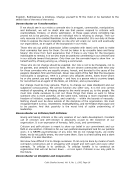
It is difficult for physicians without any experience with cults to assess patients with
psychiatric problems that possibly are related to involvement with Word of Life. The strong
influence of the doctrine and the leadership on the members can result in very severe
disorders, sometimes with symptoms similar to schizophrenia, sometimes long-term
psychological deficiencies. There is a risk that these individuals will require extended sick
leave (15 out of 43 had a sick leave of more than two months). They need help early on to
tackle their problems.
Knowledge of the movement and its teaching is essential in order to understand these
patients’ crises. Because of their own experience, former members in particular have the
necessary insights to disclose the dogma and the rules that bind a person to the group and
cause doubt regarding one’s own judgment. According to those interviewed, contact with ex-
Sick leave attributed to involvement with the movement was reported in 56% of the cases
(see Table 4). In two thirds of the cases, the sick leave extended beyond two months in five
cases, it was more than a year and for four patients, it lasted several years.
Table 4
Sick leave due to cult problems in former Bible school students. (A total of 24 out of
43 interviewed, or 56%, required sick leave.)
Length of sick leave Number
Less than 2 months 9
2 -6 months 7
6 -12 months 3
More than 12 months 5
Many in the interview group who had left Word of Life have demonstrated severe and
sometimes long-term psychiatric disorders. Similar problems have been recognized in ex-
members of other cults, such as the Unification Church, Hare Krishna, and the Church of
Scientology. Our study does not illustrate how common psychiatric disorders are in the group
of Bible school students as a whole. Interviews with active members of Word of Life would not
be enlightening since, according to the teaching, they are not to admit that they suffer from
depression or any other symptoms of illness. On the contrary, in the movement, disorders,
such as anxiety or lack of a will to live, are explained or described as attacks by the Devil or
the influence of demons. However, during a service a considerable number of participants
have, by show of hands, admitted to affliction with the symptoms attributed to these demons
(Carlsson, J., 1988). According to doctrine, psychiatric disorders are not to be viewed as
warning signals but rather as a sign that one is working for God and therefore is subject to
attacks.
It is important to ask whether the commonly occurring thoughts of suicide in former Bible
school students lead to an increased risk of suicide. It is not possible to address that issue in
this report. However, we found in our data that one out of four had made a serious suicide
attempt. We know of 16 suicide cases in Sweden where family and friends regard the
deceased person’s contact with the movement as the determining factor in the suicide. This
conclusion is supported by previous conversations or letters left behind.
It is difficult for physicians without any experience with cults to assess patients with
psychiatric problems that possibly are related to involvement with Word of Life. The strong
influence of the doctrine and the leadership on the members can result in very severe
disorders, sometimes with symptoms similar to schizophrenia, sometimes long-term
psychological deficiencies. There is a risk that these individuals will require extended sick
leave (15 out of 43 had a sick leave of more than two months). They need help early on to
tackle their problems.
Knowledge of the movement and its teaching is essential in order to understand these
patients’ crises. Because of their own experience, former members in particular have the
necessary insights to disclose the dogma and the rules that bind a person to the group and
cause doubt regarding one’s own judgment. According to those interviewed, contact with ex-