Cultic Studies Journal, Vol. 9, No. 1, 1992, Page 34
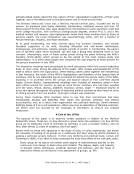
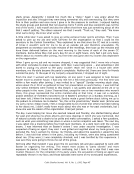
The norms of the party were not a body of political and ideological standards, but
they were what Baxter and others wanted done. Norms were made up and changed
to get someone to join or stay. ...Norms often changed due to one of Baxter’s rages
not due to any thoughtful or measured discussion. Militants were told that directions
were changing because of Baxter’s “brilliance and insight,” which became cover words
for the lack of democratic discussion or real political thought. Even when there were
reports or lip service paid to partywide discussion of something, in the end it was
Baxter who made the pronouncements and made the decisions. The rest of the
leadership’s job was to uphold them and convince everyone else to. ...
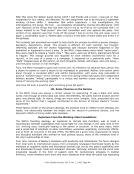
Even though the party had a “democratically elected” Central Committee, the
party, in fact, was led by Baxter and the groupings she chose to be around her. Some
Central Committees never met from the time they were elected to the time they were
dissolved. There were never any protests of the rubber-stamp nature of virtually all of
our meetings. The Central Committee as a body became a formality to give credence
to Baxter’s leader-ship, and middle-level leadership never took seriously what this
meant to the base of the party. All of the annual party Assemblies were staged
performances, thought through to the minutest detail.
The true objective of just about everything that went on was to bond the militants
to the party. ...Everything was focused on keeping things controlled ...Nothing
ever had anything to do with democracy. ...
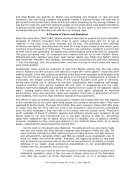
Why did we do this? Why did we betray our own personal and political integrity and
basic decent instincts? Why did we stay quiet when we knew things were wrong?
Because we gave in to the peer pressure, the criticism, and the perks. The perks
weren’t glorious, but compared to the lives of [lower-level] militants, we had certain
privileges of power, security (albeit fleeting), control of criticism sessions, and a
certain amount of being able to do more interesting things. In sum, middle-level
leadership functioned with elitism, corruption, and lack of political principle.
Of course, as with everything else, no one’s job was sacrosanct. Except for very few favored
members, being in middle-level leadership was a revolving-door cycle: one day in, next day
out. One mechanism for keeping middle-levels on their toes was the Control Officer. For
years, each Branch and each facility had a Control Officer. The CO’s job was to watch
everyone and everything that went on but especially to catch out the middle-level leadership
at some mistake. For example, if, in a meeting, a militant said something really “off” (i.e.,
antiparty) and it slipped by whoever was leading the meeting, this was fuel for the CO’s
report. “Grist for the mill,” as it was called, or a reason to criticize, was what the CO looked
for, feeding into constant criticism --the lifeblood of the organization. Having a CO around
naturally kept leadership militants edgy and paranoid. In the end, no one, except Baxter
herself, was safe from minute-by-minute observation and potential denunciation.
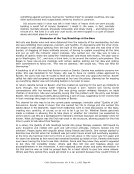
Bureaucratic Control
It is almost unfathomable to ponder the level of bureaucracy (and the amount of paper) that
existed in the WDU. Information control is a source of power and Baxter’s organization was
very good at it, including setting up strict security rules to hem in each aspect of the
bureaucracy. Whenever Baxter decided there was too much information on paper, or that
some freak incident should sound a security alert, a cleansing would be ordered, with
assigned militants serving lengthy shifts at the party’s great shredders.
On one occasion, fondly remembered as the “big burn,” which took place in early 1976, all
members were ordered to destroy any piece of paper that could in any way be “revealing”
(which meant any trace of information about the person’s background, likes or dislikes,
political leanings, sexual preference, family origin, and so forth). This era predated the
The norms of the party were not a body of political and ideological standards, but
they were what Baxter and others wanted done. Norms were made up and changed
to get someone to join or stay. ...Norms often changed due to one of Baxter’s rages
not due to any thoughtful or measured discussion. Militants were told that directions
were changing because of Baxter’s “brilliance and insight,” which became cover words
for the lack of democratic discussion or real political thought. Even when there were
reports or lip service paid to partywide discussion of something, in the end it was
Baxter who made the pronouncements and made the decisions. The rest of the
leadership’s job was to uphold them and convince everyone else to. ...
Even though the party had a “democratically elected” Central Committee, the
party, in fact, was led by Baxter and the groupings she chose to be around her. Some
Central Committees never met from the time they were elected to the time they were
dissolved. There were never any protests of the rubber-stamp nature of virtually all of
our meetings. The Central Committee as a body became a formality to give credence
to Baxter’s leader-ship, and middle-level leadership never took seriously what this
meant to the base of the party. All of the annual party Assemblies were staged
performances, thought through to the minutest detail.
The true objective of just about everything that went on was to bond the militants
to the party. ...Everything was focused on keeping things controlled ...Nothing
ever had anything to do with democracy. ...
Why did we do this? Why did we betray our own personal and political integrity and
basic decent instincts? Why did we stay quiet when we knew things were wrong?
Because we gave in to the peer pressure, the criticism, and the perks. The perks
weren’t glorious, but compared to the lives of [lower-level] militants, we had certain
privileges of power, security (albeit fleeting), control of criticism sessions, and a
certain amount of being able to do more interesting things. In sum, middle-level
leadership functioned with elitism, corruption, and lack of political principle.
Of course, as with everything else, no one’s job was sacrosanct. Except for very few favored
members, being in middle-level leadership was a revolving-door cycle: one day in, next day
out. One mechanism for keeping middle-levels on their toes was the Control Officer. For
years, each Branch and each facility had a Control Officer. The CO’s job was to watch
everyone and everything that went on but especially to catch out the middle-level leadership
at some mistake. For example, if, in a meeting, a militant said something really “off” (i.e.,
antiparty) and it slipped by whoever was leading the meeting, this was fuel for the CO’s
report. “Grist for the mill,” as it was called, or a reason to criticize, was what the CO looked
for, feeding into constant criticism --the lifeblood of the organization. Having a CO around
naturally kept leadership militants edgy and paranoid. In the end, no one, except Baxter
herself, was safe from minute-by-minute observation and potential denunciation.
Bureaucratic Control
It is almost unfathomable to ponder the level of bureaucracy (and the amount of paper) that
existed in the WDU. Information control is a source of power and Baxter’s organization was
very good at it, including setting up strict security rules to hem in each aspect of the
bureaucracy. Whenever Baxter decided there was too much information on paper, or that
some freak incident should sound a security alert, a cleansing would be ordered, with
assigned militants serving lengthy shifts at the party’s great shredders.
On one occasion, fondly remembered as the “big burn,” which took place in early 1976, all
members were ordered to destroy any piece of paper that could in any way be “revealing”
(which meant any trace of information about the person’s background, likes or dislikes,
political leanings, sexual preference, family origin, and so forth). This era predated the