Cultic Studies Journal, Vol. 9, No. 1, 1992, Page 54
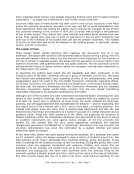
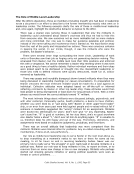
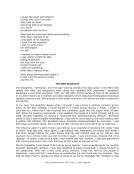
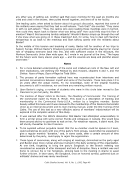
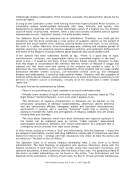
Table 1
New psychiatric symptoms in former Bible school students (N=43)
Number Percent
Anxiety, especially panic attacks 40 93
Nightmares, sleeping disorders 37 86
Fear of losing one’s sanity 33 77
Feeling of emptiness 38 88
Difficulty concentrating 32 75
Feeling of loss of identity 26 60
Difficulty handling emotions 39 91
Difficulty making decisions 32 74
Feelings of guilt 40 93
Difficulty with social contacts 31 72
Regression 15 35
Psychosomatic symptoms 27 63
Suicidal thoughts 27 63
Attempted suicide 10 23
Psychosis-like symptoms 20 47
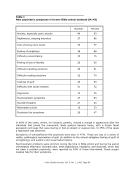
In 60% of the cases, others, for instance, parents, noticed a change in appearance after the
individual had joined the movement. Body posture became tense, with a frozen facial
expression and eyes that were staring or had an absent or evasive look. In 35% of the cases
a regression was observed.
Symptoms of schizoaffective-like psychosis were seen in 47%. These are loss of a sense of
reality, pathological assumption of guilt (in addition to the almost obligatory feeling of guilt of
wrongdoing), and auditory and visual hallucinations.
Psychosomatic problems were common during the time in Bible school and during the period
immediately afterward. Stomach pain, heart palpitations, headache, and dizziness, which had
not been a problem previously, were reported by 63% of those interviewed. Some sought
medical help for their symptoms.
Table 1
New psychiatric symptoms in former Bible school students (N=43)
Number Percent
Anxiety, especially panic attacks 40 93
Nightmares, sleeping disorders 37 86
Fear of losing one’s sanity 33 77
Feeling of emptiness 38 88
Difficulty concentrating 32 75
Feeling of loss of identity 26 60
Difficulty handling emotions 39 91
Difficulty making decisions 32 74
Feelings of guilt 40 93
Difficulty with social contacts 31 72
Regression 15 35
Psychosomatic symptoms 27 63
Suicidal thoughts 27 63
Attempted suicide 10 23
Psychosis-like symptoms 20 47
In 60% of the cases, others, for instance, parents, noticed a change in appearance after the
individual had joined the movement. Body posture became tense, with a frozen facial
expression and eyes that were staring or had an absent or evasive look. In 35% of the cases
a regression was observed.
Symptoms of schizoaffective-like psychosis were seen in 47%. These are loss of a sense of
reality, pathological assumption of guilt (in addition to the almost obligatory feeling of guilt of
wrongdoing), and auditory and visual hallucinations.
Psychosomatic problems were common during the time in Bible school and during the period
immediately afterward. Stomach pain, heart palpitations, headache, and dizziness, which had
not been a problem previously, were reported by 63% of those interviewed. Some sought
medical help for their symptoms.