Cultic Studies Journal, Vol. 9, No. 1, 1992, Page 31
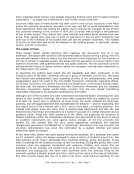
open up a denunciation of a comrade for some error. Once the leadership finished, each
militant would be expected to say how much he or she agreed with the presentation or the
criticism. Ideally, each person was to say something different from what had already been
said but more to the point each person was expected to agree with (“unite with”) whatever
was going on. Questions, should there be any, had to be couched within an overall
agreement. After years of this kind of participation, people were quite incapable of any kind of
creative or critical thinking, could only parrot each other, and had shrunken vocabularies
riddled with arcane internal phraseology.
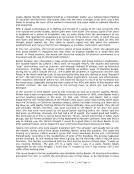
If someone was too silent during one of these meetings, or didn’t speak heartily enough, or
dared to express any doubt, that person would be singled out for criticism by the leadership.
This would give license to a verbal attack by the rest of the group, with lots of derogatory
name-calling (supposedly in a political context). A person could be called selfish, disrespectful,
self-centered, stupid, stubborn, negative, chickenshit, or mindless (a party favorite) a person
could be accused of undermining leadership, factionalizing, acting like an agent provocateur
or a right-wing deviationist. Or a person could simply be called a lot of sometimes very
personal, sometimes very filthy, and usually very hurtful things. At a moment’s notice, the
entire direction of a meeting could be turned into a group denunciation of someone. When
finally given a chance to respond, the comrade was usually criticized again --and this could
go on for hours! “It was like chickens pecking at blood. You had to or you’d get pecked,” said
one former member.
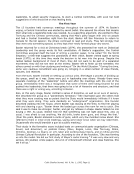
Until the leadership accepted the “sincerity” of the response, the criticized militant was not to
be let off the hook. This process could be and often was carried into future meetings --the
next day, the next week, or the next several weeks. In the meantime, the militant’s behavior
was monitored more than usual by leadership and he or she was generally shunned by the
others. This comrade walked on eggs, with a biting, clenching pit in the stomach, a gnawing
pressure in the chest, waiting for the tension to be released, for re-acceptance into the group,
to no longer be the focal point of angry criticism, unbridled moralism, and pent-up emotions.
Over time, living with this unsettling internal anxiety and feeling of impending doom became
the way militants faced every waking hour.
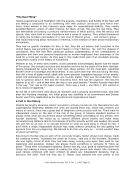
The Leadership Principle
From the beginning, new members were instilled with an utter and absolute respect for
Doreen Baxter. Actually, this process began during recruitment meetings. Baxter was talked
about as the ultimate working-class heroine. She was lauded for knowing more about
Marxism, world politics, revolution, and life than anyone else. She was praised as a genius
and a revolutionary leader, in the tradition of Lenin and Mao. She was recognized as both the
organizational and theoretical leadership.
Members were taught that they would be nothing without Doreen Baxter, that there would be
no party without her. She was to be defended at all costs. She was, members were told,
overworked and overburdened. Soon it came to be understood as part of this logic that the
undue stress on her was caused by the incompetence of the members. Because of this,
members were to do anything, make any sacrifice to make her life better, more comfort-able,
so that, for once, she could do the work that a revolutionary leader should do.
As the party grew in size, fewer and fewer members actually saw or met Baxter. She shuttled
back and forth between her country and city residences, the whereabouts known only by a
small circle of trusted militants. In the last few years of the WDU, Baxter made perhaps one,
or, at most, two appearances before the entire membership. This was usually at some special
function, such as the annual all-party Assembly. At the WDU’s last Assembly, in 1985, Baxter
sent her communiqué by modem it was an unintelligible poem. This lack of visibility to the
general membership made Baxter even more mysterious and awesome.
open up a denunciation of a comrade for some error. Once the leadership finished, each
militant would be expected to say how much he or she agreed with the presentation or the
criticism. Ideally, each person was to say something different from what had already been
said but more to the point each person was expected to agree with (“unite with”) whatever
was going on. Questions, should there be any, had to be couched within an overall
agreement. After years of this kind of participation, people were quite incapable of any kind of
creative or critical thinking, could only parrot each other, and had shrunken vocabularies
riddled with arcane internal phraseology.
If someone was too silent during one of these meetings, or didn’t speak heartily enough, or
dared to express any doubt, that person would be singled out for criticism by the leadership.
This would give license to a verbal attack by the rest of the group, with lots of derogatory
name-calling (supposedly in a political context). A person could be called selfish, disrespectful,
self-centered, stupid, stubborn, negative, chickenshit, or mindless (a party favorite) a person
could be accused of undermining leadership, factionalizing, acting like an agent provocateur
or a right-wing deviationist. Or a person could simply be called a lot of sometimes very
personal, sometimes very filthy, and usually very hurtful things. At a moment’s notice, the
entire direction of a meeting could be turned into a group denunciation of someone. When
finally given a chance to respond, the comrade was usually criticized again --and this could
go on for hours! “It was like chickens pecking at blood. You had to or you’d get pecked,” said
one former member.
Until the leadership accepted the “sincerity” of the response, the criticized militant was not to
be let off the hook. This process could be and often was carried into future meetings --the
next day, the next week, or the next several weeks. In the meantime, the militant’s behavior
was monitored more than usual by leadership and he or she was generally shunned by the
others. This comrade walked on eggs, with a biting, clenching pit in the stomach, a gnawing
pressure in the chest, waiting for the tension to be released, for re-acceptance into the group,
to no longer be the focal point of angry criticism, unbridled moralism, and pent-up emotions.
Over time, living with this unsettling internal anxiety and feeling of impending doom became
the way militants faced every waking hour.
The Leadership Principle
From the beginning, new members were instilled with an utter and absolute respect for
Doreen Baxter. Actually, this process began during recruitment meetings. Baxter was talked
about as the ultimate working-class heroine. She was lauded for knowing more about
Marxism, world politics, revolution, and life than anyone else. She was praised as a genius
and a revolutionary leader, in the tradition of Lenin and Mao. She was recognized as both the
organizational and theoretical leadership.
Members were taught that they would be nothing without Doreen Baxter, that there would be
no party without her. She was to be defended at all costs. She was, members were told,
overworked and overburdened. Soon it came to be understood as part of this logic that the
undue stress on her was caused by the incompetence of the members. Because of this,
members were to do anything, make any sacrifice to make her life better, more comfort-able,
so that, for once, she could do the work that a revolutionary leader should do.
As the party grew in size, fewer and fewer members actually saw or met Baxter. She shuttled
back and forth between her country and city residences, the whereabouts known only by a
small circle of trusted militants. In the last few years of the WDU, Baxter made perhaps one,
or, at most, two appearances before the entire membership. This was usually at some special
function, such as the annual all-party Assembly. At the WDU’s last Assembly, in 1985, Baxter
sent her communiqué by modem it was an unintelligible poem. This lack of visibility to the
general membership made Baxter even more mysterious and awesome.