Cultic Studies Review, Vol. 8, No. 2, 2009, Page 32
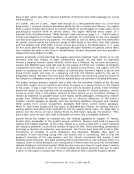
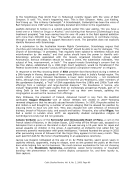
didn‘t know who was there and who was not, they therefore never claimed nor denied the
operation vehemently and publicly as their own.
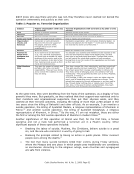
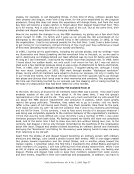
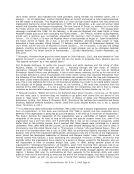
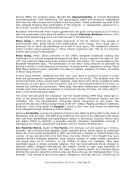
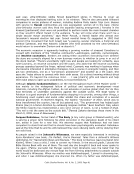
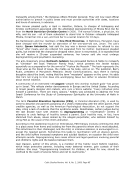
Table 1: Popular vs. Terrorist Organization
Subject Popular Organization (with acts
of terrorism)
Terrorist Organization (with terrorism as its pillar or only
activity)
Pool Society or majority of people. Selected section of the society.
Ideology Has shades of gray. Black and white (either with us or against us).9
Morality Bound to morality of society. Bound to the survival of the cult and its leader.10
Action and Tactic Varies, and might include violence. Only or mainly acts of terrorism.
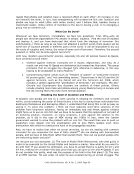
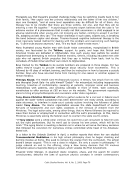
Organization:
Checks and
Balances
Democratic or semi-democratic.
Bound to the view and support of
the people, and from within,
through the structure of the
organization.11
Clandestine organization self-nominated, dictatorial leader no
checks and balances for the leader.12 In the case of Al-Qaeda,
has evolved into some sort of franchise.13
Finance Mainly by society. Mainly by members and supporters.14
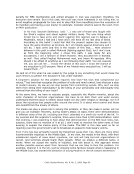
Answers to
Needs of its
Audience and
Members
If you claim to be an alternative
(e.g., not a terrorist organization),
you must have an answer for other
problems of the society and in the
case of members, to be able to face
their material needs as well as their
moral and emotional ones.
You educate your audience and members to see injustice as the
only real and important matter worth dealing with, and that
they have to put everything else aside. Through Mind control,
you will control the needs and emotions of your members,
forcing them to see the needs of the organization and its leader
as their own needs.15
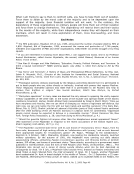
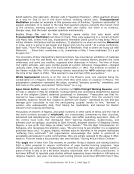
What Members
Gain
They gain the respect of society and
perhaps a job, fame, and public
responsibility. They can have family
and a normal life in addition to what
they are doing.
They lose a normal life, their individuality, and their normal self.
They gain equality and even superiority.* Denial of death and
fear of pain gives them courage unachievable in ordinary life.
They find a sense of belonging and a new collective ‗self‘ and
‗individuality.‘ They are glorified by titles such as hero, Mojahed,
vanguard, or martyr.16
*For example, in MEK, the women‘s ranks are higher than the
men‘s, and all leadership council members are women. They
gained their superiority through selflessness or, as they used to
say, through being ‗nothing-ness or nobody-ness‘ more than
men. Also, in the case of women suicide bombers, they reach
equality and even superiority through death.17
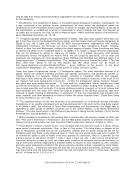
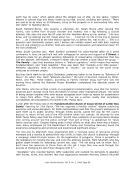
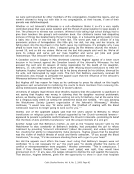
At the same time, they were benefiting from the fruits of the operation, as a display of how
powerful they were. But gradually, as they realized that their support was restricted only to
their members and organizational supporters, they put their shyness aside, and they
claimed all their terrorist activities, including the killing of more than 2,700 people in the
two years since the killing of Behashtii and other officials. As an example, I can mention a
suicide operation, the killing of Ayatollah Madani, a religious representative of Khomeini in
Tabriz,18 and another suicide operation, the killing of Ayatollah Dastghayb, a religious
representative of Khomeini, in Shiraz.19 By the way, if I am not mistaken, these are either
the first or among the first suicide operations of Muslims in modern times.20
Another significance of this operation at Shiraz was that, for the first time, a female
operative and not a male had performed a terrorism act in a Muslim country. Other
significant aspects of these operations included:
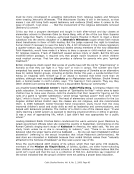
Breaking the taboo of suicide. Muslims, like Christians, believe suicide is a great
sin, and the one who commits it is worthy of going to hell.
Breaking the principal related to taking no action in public places. Other innocent
people were among the deaths.21
The fact that many suicide bombers killed their victims during Friday sermons,
where the Mosque and any place in which people pray traditionally are considered
as sanctuaries. According to the religious rulings, even churches and synagogues
are safe from violence.
didn‘t know who was there and who was not, they therefore never claimed nor denied the
operation vehemently and publicly as their own.
Table 1: Popular vs. Terrorist Organization
Subject Popular Organization (with acts
of terrorism)
Terrorist Organization (with terrorism as its pillar or only
activity)
Pool Society or majority of people. Selected section of the society.
Ideology Has shades of gray. Black and white (either with us or against us).9
Morality Bound to morality of society. Bound to the survival of the cult and its leader.10
Action and Tactic Varies, and might include violence. Only or mainly acts of terrorism.
Organization:
Checks and
Balances
Democratic or semi-democratic.
Bound to the view and support of
the people, and from within,
through the structure of the
organization.11
Clandestine organization self-nominated, dictatorial leader no
checks and balances for the leader.12 In the case of Al-Qaeda,
has evolved into some sort of franchise.13
Finance Mainly by society. Mainly by members and supporters.14
Answers to
Needs of its
Audience and
Members
If you claim to be an alternative
(e.g., not a terrorist organization),
you must have an answer for other
problems of the society and in the
case of members, to be able to face
their material needs as well as their
moral and emotional ones.
You educate your audience and members to see injustice as the
only real and important matter worth dealing with, and that
they have to put everything else aside. Through Mind control,
you will control the needs and emotions of your members,
forcing them to see the needs of the organization and its leader
as their own needs.15
What Members
Gain
They gain the respect of society and
perhaps a job, fame, and public
responsibility. They can have family
and a normal life in addition to what
they are doing.
They lose a normal life, their individuality, and their normal self.
They gain equality and even superiority.* Denial of death and
fear of pain gives them courage unachievable in ordinary life.
They find a sense of belonging and a new collective ‗self‘ and
‗individuality.‘ They are glorified by titles such as hero, Mojahed,
vanguard, or martyr.16
*For example, in MEK, the women‘s ranks are higher than the
men‘s, and all leadership council members are women. They
gained their superiority through selflessness or, as they used to
say, through being ‗nothing-ness or nobody-ness‘ more than
men. Also, in the case of women suicide bombers, they reach
equality and even superiority through death.17
At the same time, they were benefiting from the fruits of the operation, as a display of how
powerful they were. But gradually, as they realized that their support was restricted only to
their members and organizational supporters, they put their shyness aside, and they
claimed all their terrorist activities, including the killing of more than 2,700 people in the
two years since the killing of Behashtii and other officials. As an example, I can mention a
suicide operation, the killing of Ayatollah Madani, a religious representative of Khomeini in
Tabriz,18 and another suicide operation, the killing of Ayatollah Dastghayb, a religious
representative of Khomeini, in Shiraz.19 By the way, if I am not mistaken, these are either
the first or among the first suicide operations of Muslims in modern times.20
Another significance of this operation at Shiraz was that, for the first time, a female
operative and not a male had performed a terrorism act in a Muslim country. Other
significant aspects of these operations included:
Breaking the taboo of suicide. Muslims, like Christians, believe suicide is a great
sin, and the one who commits it is worthy of going to hell.
Breaking the principal related to taking no action in public places. Other innocent
people were among the deaths.21
The fact that many suicide bombers killed their victims during Friday sermons,
where the Mosque and any place in which people pray traditionally are considered
as sanctuaries. According to the religious rulings, even churches and synagogues
are safe from violence.