Cultic Studies Review, Vol. 8, No. 2, 2009, Page 15
were the victims of deceit and lies regarding something that, up until that time, they had
believed genuine, might well have been more painful than other forms of abuse to which
they were subjected, such as exploitation or having to lead a restricted life of sacrifice to
achieve their supposed goal. It seems that certain abuses will be tolerated so long as
members remain confident about the group‘s ideals, but once the group or its leaders lose
credibility in the members‘ eyes, abuse is harder to tolerate.
Finally, though family intervention was reported to be the least important factor as a reason
for leaving the group for the overall sample, it was the most important reason given, above
the Regulation or Disillusion factors, for those who left the group after they had received
counseling from a professional, family member and/or friend. Of the overall sample, twenty-
five percent of the participants chose the option ―Completely‖ to describe the importance of
the item ―actions taken by family members and/or friends‖ as a reason for leaving,
compared to 41.7% who chose the option ―Not at all.‖ Why so many rated the family factor
so low is unclear. Perhaps many of these subjects had little contact with their families.
Perhaps their families‘ attitudes toward the subjects‘ group involvement were positive or
indifferent. Or perhaps the subjects paid little attention to negative family attitudes toward
the group and, as a consequence, gave a low rating to the family factor.
Unlike the arguments forwarded from the sociological camp, which tend to discredit
information provided by former members who have received counseling, our data show no
differences regarding the perceptions of the motives for disaffiliating from the group, or in
the abusive practices reported, between those who left ―voluntarily‖ (Wright, 1984), those
who left after a period of what we have termed ―personal reflection‖ (considering only those
subjects who chose just this one option), and those whose exit was counseled or
―involuntary‖ (Wright, 1984). Indeed, we should stress the similarity in the perceptions
among these individuals of the psychological abuse experienced in their former groups,
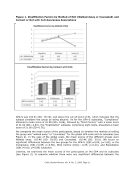
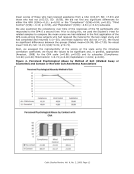
manifested both in their overall scores on the GPA-S, and in the types of abuse captured by
the subscales. Likewise, neither did we find any significant differences in the psychological
distress, reported via the Global Severity Index (GSI) of the SCL-90-R test, in the two
groups and in both sexes.
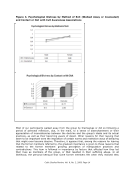
The same absence of differences in the variables mentioned was also found when we
compared the group of individuals who had received assistance from a CAA and the group
who had not. We had expected to find differences between the groups, but, contrary to
arguments forwarded from a sociological perspective, we expected those differences along
the lines that counseled individuals would show lower levels of psychological distress.
Among these participants, Almendros (2006) found no differences in the psychological
distress reported between those who had received counseling after leaving (excluding those
receiving this support at the time they participated in the study), and those who had never
received any psychological help following their exit from the group. Overall, our results do
not suggest that former members demonstrate any benefits from counseling, whenever it
was received in their psychological state at the time they responded to the questionnaires.
It is possible that the professional help they received would, in many cases, have been of a
generalist type, given the lack of specialist resources for this particular social group
(Rodríguez, 1994). In the literature, in the case of former cult members, we find several
references to possible diagnostic errors by professionals unfamiliar with the field and so who
might find the problems presented by the former members unusual (Goski, 1994, Hassan,
1990 Rodríguez &Almendros, 2005 Tobias &Lalich, 1994), particularly if the latter have
yet to come to terms with the experience so that they can present the information in such a
way as to seek more specific help.
A study by Lois Kendall in the UK (2009), distinguished among first and second generation
former ―sect‖ members when looking at distress levels over time among those who had
received post-sect counseling and those who didn‘t. She found marked decreases in distress
were the victims of deceit and lies regarding something that, up until that time, they had
believed genuine, might well have been more painful than other forms of abuse to which
they were subjected, such as exploitation or having to lead a restricted life of sacrifice to
achieve their supposed goal. It seems that certain abuses will be tolerated so long as
members remain confident about the group‘s ideals, but once the group or its leaders lose
credibility in the members‘ eyes, abuse is harder to tolerate.
Finally, though family intervention was reported to be the least important factor as a reason
for leaving the group for the overall sample, it was the most important reason given, above
the Regulation or Disillusion factors, for those who left the group after they had received
counseling from a professional, family member and/or friend. Of the overall sample, twenty-
five percent of the participants chose the option ―Completely‖ to describe the importance of
the item ―actions taken by family members and/or friends‖ as a reason for leaving,
compared to 41.7% who chose the option ―Not at all.‖ Why so many rated the family factor
so low is unclear. Perhaps many of these subjects had little contact with their families.
Perhaps their families‘ attitudes toward the subjects‘ group involvement were positive or
indifferent. Or perhaps the subjects paid little attention to negative family attitudes toward
the group and, as a consequence, gave a low rating to the family factor.
Unlike the arguments forwarded from the sociological camp, which tend to discredit
information provided by former members who have received counseling, our data show no
differences regarding the perceptions of the motives for disaffiliating from the group, or in
the abusive practices reported, between those who left ―voluntarily‖ (Wright, 1984), those
who left after a period of what we have termed ―personal reflection‖ (considering only those
subjects who chose just this one option), and those whose exit was counseled or
―involuntary‖ (Wright, 1984). Indeed, we should stress the similarity in the perceptions
among these individuals of the psychological abuse experienced in their former groups,
manifested both in their overall scores on the GPA-S, and in the types of abuse captured by
the subscales. Likewise, neither did we find any significant differences in the psychological
distress, reported via the Global Severity Index (GSI) of the SCL-90-R test, in the two
groups and in both sexes.
The same absence of differences in the variables mentioned was also found when we
compared the group of individuals who had received assistance from a CAA and the group
who had not. We had expected to find differences between the groups, but, contrary to
arguments forwarded from a sociological perspective, we expected those differences along
the lines that counseled individuals would show lower levels of psychological distress.
Among these participants, Almendros (2006) found no differences in the psychological
distress reported between those who had received counseling after leaving (excluding those
receiving this support at the time they participated in the study), and those who had never
received any psychological help following their exit from the group. Overall, our results do
not suggest that former members demonstrate any benefits from counseling, whenever it
was received in their psychological state at the time they responded to the questionnaires.
It is possible that the professional help they received would, in many cases, have been of a
generalist type, given the lack of specialist resources for this particular social group
(Rodríguez, 1994). In the literature, in the case of former cult members, we find several
references to possible diagnostic errors by professionals unfamiliar with the field and so who
might find the problems presented by the former members unusual (Goski, 1994, Hassan,
1990 Rodríguez &Almendros, 2005 Tobias &Lalich, 1994), particularly if the latter have
yet to come to terms with the experience so that they can present the information in such a
way as to seek more specific help.
A study by Lois Kendall in the UK (2009), distinguished among first and second generation
former ―sect‖ members when looking at distress levels over time among those who had
received post-sect counseling and those who didn‘t. She found marked decreases in distress