Cultic Studies Review, Vol. 8, No. 2, 2009, Page 25
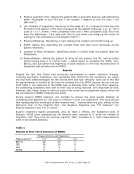
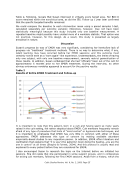
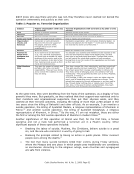
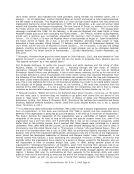
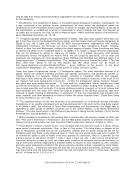
Table 2, following, reveals that Susan improved in virtually every target area. Her BDI-II
score remained within the nonclinical area, as did the IES. Follow-up 1 year later confirmed
that the specific targeted benefits remained.
We could compare the baseline to each intervention mean using a paired samples t-test,
calculated separately per outcome variable inferences, however, may not have been
statistically meaningful because this study included only one baseline measurement. A
repeated baseline might possibly have yielded more of a workable statistic. That option was
not practical, however, for this design. As a result, this study is presented as largely
anecdotal in nature.
Discussion
Susan‘s progress by way of EMDR was very significant, considering her heretofore lack of
progress via ―traditional‖ treatment methods. There is no way to determine what, if any,
latent learning may have occurred before her EMDR sessions and this outcome must
certainly not be seen as a ―born again‖-like experience. Understandably, the limits of having
only one subject, with only one baseline measurement, severely restrict generalization of
these results. In addition, Susan verbalized that she had ―officially‖ been out of the cult for
approximately 6 months prior to her EMDR treatment. During the interview, no other
obvious extraneous variables appeared to account for the positive results.
Table 2
Results of Entire EMDR Treatment and Follow-up
It is important to note that this patient, born in a cult and having spent so many years
raised in the cult setting, felt rather skeptical about EMDR. Cult members frequently remain
afraid of any type of procedure that hints of ―mind control‖ or hypnosis-like techniques, and
it is important to emphasize that EMDR has very little in common with either of these
approaches. EMDR addresses this type of concern by making available abundant
empirically-based studies to any inquisitive person. In addition, EMDR offers literature and
clarification that explains that ―it is your (the patients‘) brain doing the healing—you are the
one in control‖ at all times (Shapiro &Forrest, 2004). And this protocol is usually read and
explained to every patient before they are considered for EMDR.
I also encouraged Susan to research the topic on the Internet before we initiated her
sessions. She did relate that she participated in some support groups, and in conferences
for exiting cult members, following her first EMDR sessions. Aside from a history, which the
Table 2, following, reveals that Susan improved in virtually every target area. Her BDI-II
score remained within the nonclinical area, as did the IES. Follow-up 1 year later confirmed
that the specific targeted benefits remained.
We could compare the baseline to each intervention mean using a paired samples t-test,
calculated separately per outcome variable inferences, however, may not have been
statistically meaningful because this study included only one baseline measurement. A
repeated baseline might possibly have yielded more of a workable statistic. That option was
not practical, however, for this design. As a result, this study is presented as largely
anecdotal in nature.
Discussion
Susan‘s progress by way of EMDR was very significant, considering her heretofore lack of
progress via ―traditional‖ treatment methods. There is no way to determine what, if any,
latent learning may have occurred before her EMDR sessions and this outcome must
certainly not be seen as a ―born again‖-like experience. Understandably, the limits of having
only one subject, with only one baseline measurement, severely restrict generalization of
these results. In addition, Susan verbalized that she had ―officially‖ been out of the cult for
approximately 6 months prior to her EMDR treatment. During the interview, no other
obvious extraneous variables appeared to account for the positive results.
Table 2
Results of Entire EMDR Treatment and Follow-up
It is important to note that this patient, born in a cult and having spent so many years
raised in the cult setting, felt rather skeptical about EMDR. Cult members frequently remain
afraid of any type of procedure that hints of ―mind control‖ or hypnosis-like techniques, and
it is important to emphasize that EMDR has very little in common with either of these
approaches. EMDR addresses this type of concern by making available abundant
empirically-based studies to any inquisitive person. In addition, EMDR offers literature and
clarification that explains that ―it is your (the patients‘) brain doing the healing—you are the
one in control‖ at all times (Shapiro &Forrest, 2004). And this protocol is usually read and
explained to every patient before they are considered for EMDR.
I also encouraged Susan to research the topic on the Internet before we initiated her
sessions. She did relate that she participated in some support groups, and in conferences
for exiting cult members, following her first EMDR sessions. Aside from a history, which the