Cultic Studies Review, Vol. 8, No. 2, 2009, Page 12
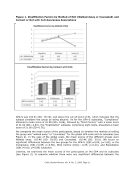
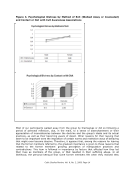
mean scores of those who had received assistance from a CAA (103.07 SD: 17.94) and
those who had not (103.52 SD: 18.58). We did not find any significant differences for
either the GPA (t(96)=-0,11 p=0,91) or the ―Compliance‖ (t(96)=0.94 p=0.35), ―Mind
Control‖ (t(96)=-0.10 p=0.93), and ―Exploitation‖ (t(96)=-0.81 p=0.42) subscales.
We also examined the consistency over time of the responses of the 50 participants who
responded to the GPA-S a second time. Prior to doing this, we used the Student‘s t-test for
related samples to compare the mean scores we had obtained in the first application of the
GPA scale among those subjects who had received the material for the test-retest study and
had completed and returned it (n=50), and those subjects who did not (n=17). We found
no significant differences between the groups (Retest mean=104.98 SD=17.59 No retest
mean=103.35 SD: 12.23 t(65)=0.35 p=0.73).
Next, we assessed the reproducibility of the scores on the scale using the intraclass
correlation coefficient we found the values to be significant and, in general, appropriate
(Anastasi, 1988) for the GPA scale (r=0.86 p=0.00) and its subscales (Compliance:
r=0.90 p=0.00 Mind Control: r=0.73 p=0.00 Exploitation: r=0.81 p=0.00).
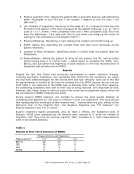
Figure 2. Perceived Psychological Abuse by Method of Exit (Walked Away or
Counseled) and Contact or Not with Cult Awareness Associations
mean scores of those who had received assistance from a CAA (103.07 SD: 17.94) and
those who had not (103.52 SD: 18.58). We did not find any significant differences for
either the GPA (t(96)=-0,11 p=0,91) or the ―Compliance‖ (t(96)=0.94 p=0.35), ―Mind
Control‖ (t(96)=-0.10 p=0.93), and ―Exploitation‖ (t(96)=-0.81 p=0.42) subscales.
We also examined the consistency over time of the responses of the 50 participants who
responded to the GPA-S a second time. Prior to doing this, we used the Student‘s t-test for
related samples to compare the mean scores we had obtained in the first application of the
GPA scale among those subjects who had received the material for the test-retest study and
had completed and returned it (n=50), and those subjects who did not (n=17). We found
no significant differences between the groups (Retest mean=104.98 SD=17.59 No retest
mean=103.35 SD: 12.23 t(65)=0.35 p=0.73).
Next, we assessed the reproducibility of the scores on the scale using the intraclass
correlation coefficient we found the values to be significant and, in general, appropriate
(Anastasi, 1988) for the GPA scale (r=0.86 p=0.00) and its subscales (Compliance:
r=0.90 p=0.00 Mind Control: r=0.73 p=0.00 Exploitation: r=0.81 p=0.00).
Figure 2. Perceived Psychological Abuse by Method of Exit (Walked Away or
Counseled) and Contact or Not with Cult Awareness Associations