VOLUME 8 |ISSUE 1 |2017 1719
Profiles On...
Edited by Mary O’Connell
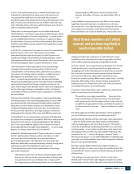
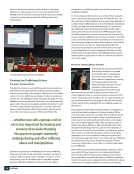
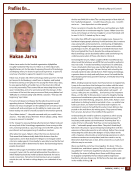
Hakan Jarva works for the Swedish organization Hjälpkällan
(roughly translated, Help Source). Hakan is an intensely private,
dignified man yet, for the sake of exposing the evils of Scientology
and helping others, he shares his personal experience. In spite of a
very busy schedule, he agreed to speak to me via Skype.
Hakan was 20 years old when Scientology seized upon him. He had
just moved to Gothenberg, a small town in Sweden, and looked
forward to starting a new phase in his young life. There only 2 days,
he was approached by a friendly man on the street who offered
to test his personality. That seemed like an interesting thing to the
open-minded boy, and so he went along with the stranger. At the
conclusion of the test, the man pronounced that young Hakan had
“difficulty in communicating” and offered a solution. “That was the
beginning,” says Hakan.
He was lured deeper and deeper by the seductive promises and
appealing rhetoric: Following the Scientology program would
render one clear would give one the ability to live one’s best, most
creative self and would give one the ability to create a new and
better reality, not only for oneself, but also for the world in general.
Once Hakan started, “…the path narrowed until you couldn’t turn
around… They take all your free time. They’re always calling. There
is never a moment to breathe.”
In the 14 years he was psychologically imprisoned, Hakan took part
at every level of the Scientology organization, from serving in elite
roles, to being trained as a spy, to being sent to the RPF, a place for
punishment and reprogramming of rebellious members.
After about ten years, Hakan’s wife at the time was denounced.
That meant that Hakan actually had a little distance from the
organization, and in that distance he began to investigate online
criticisms made against it. Eventually, he was able to see that he had
been deceived, and he determined to leave. But Scientology leaves
people devastated.
When he left at age 34, the father of three little children, the
youngest 4 years old, the spiritual/philosophical foundation on
which Hakan had built his world had been shattered. He lost his
social connections. He had no formal training in any occupation
outside the cult. He had no college degree, nor credentials of any
kind.
And he was $400,000 in debt. The crushing weight of that debt left
him “really handicapped… I couldn’t buy [a house, etc.]. I couldn’t
rent a car… I was dependent on other people.”
There is a system in Sweden by which you can liquidate your debt,
but you must live on minimum wage for 5 years. Hakan chose this
route, and so began an intense struggle to survive that lasted until
he was 54. At 54, “I started my life, in a way.”
No matter how difficult his personal struggles were, however, he
had been helping people all along. He did (and does) this in various
ways: giving talks and presentations, volunteering at Hjälpkällan,
counseling through the private practice he shares with another
psychologist. In 2015, he appeared on a Swedish television show
that investigated the Church, despite the widespread opinion
that Scientology can be absolutely ruthless and unrelenting in its
vindictive persecution of those who dare to criticize it.
On leaving the Church, Hakan sought to fill the void left, but was
determined that whatever would fill that void would be authentic,
real, rock solid. “I needed something I could trust.” As a little boy,
“I was a lonely kid school was easy, but by high school my focus
was on just getting through.” He was “fed up” with school by the
end and wanted to take a break from it. After leaving Scientology,
a genuine desire to study and really learn arose. He found that he
liked studying and had a good time doing it, eventually becoming
a psychologist.
When, tending toward an easier, short-hand version to explain him,
I jump to the conclusion that he began his studies with the intent
to become a psychologist, he politely corrects me: “My aim was to
learn. I wanted to learn. It doesn’t matter what I call myself… of
course, a title gives me credibility… but learning is the important
thing—not the title.” In this precision, I sense his integrity. Having
experienced a totalitarian system that imprisons with its insistence
on black-and-white thinking, categories, levels, titles, Hakan is now
meticulous in sticking to what is real, what is true—no matter how
hard to pin down, no matter how feral that truth might be. I’m
reminded of a note to himself that the writer Colum McCann has
posted on the wall above his writing space: “Keep yourself away
from answers, but alive in the middle of the question.”
Understanding the need for authentic experience, which young
people, in particular, rely on, Hakan is developing a project “to
vaccinate youth against cult involvement.” Knowing that “It’s a
waste of time to tell people” that they can be manipulated by
cults— “vulnerable people never listen. They don’t think they’ll
fall victim,” the project is geared toward providing them with the
experience of being deceived (in a safe setting). Rather than merely
instructing the youth about the dangers of cults, Hakan works
with a magician who provides an entertaining experience in which
audience members are manipulated, and then made to see by
themselves that they have, in fact, been conned. It is a much more
effective way to vaccinate.
We’ve reached the end of our time together. It’s about 7:30 p.m.,
Swedish time, and Hakan’s partner, Meta (“It seems silly to call her
my girlfriend—we’ve been together for 20 years”) comes home.
Suddenly, the strain of talking about these awful things seems
to disappear completely. His face relaxes and his expression
transforms into one of pure joy: it’s the face of a man alive, and right
in the middle of things. n
Hakan Jarva
Profiles On...
Edited by Mary O’Connell
Hakan Jarva works for the Swedish organization Hjälpkällan
(roughly translated, Help Source). Hakan is an intensely private,
dignified man yet, for the sake of exposing the evils of Scientology
and helping others, he shares his personal experience. In spite of a
very busy schedule, he agreed to speak to me via Skype.
Hakan was 20 years old when Scientology seized upon him. He had
just moved to Gothenberg, a small town in Sweden, and looked
forward to starting a new phase in his young life. There only 2 days,
he was approached by a friendly man on the street who offered
to test his personality. That seemed like an interesting thing to the
open-minded boy, and so he went along with the stranger. At the
conclusion of the test, the man pronounced that young Hakan had
“difficulty in communicating” and offered a solution. “That was the
beginning,” says Hakan.
He was lured deeper and deeper by the seductive promises and
appealing rhetoric: Following the Scientology program would
render one clear would give one the ability to live one’s best, most
creative self and would give one the ability to create a new and
better reality, not only for oneself, but also for the world in general.
Once Hakan started, “…the path narrowed until you couldn’t turn
around… They take all your free time. They’re always calling. There
is never a moment to breathe.”
In the 14 years he was psychologically imprisoned, Hakan took part
at every level of the Scientology organization, from serving in elite
roles, to being trained as a spy, to being sent to the RPF, a place for
punishment and reprogramming of rebellious members.
After about ten years, Hakan’s wife at the time was denounced.
That meant that Hakan actually had a little distance from the
organization, and in that distance he began to investigate online
criticisms made against it. Eventually, he was able to see that he had
been deceived, and he determined to leave. But Scientology leaves
people devastated.
When he left at age 34, the father of three little children, the
youngest 4 years old, the spiritual/philosophical foundation on
which Hakan had built his world had been shattered. He lost his
social connections. He had no formal training in any occupation
outside the cult. He had no college degree, nor credentials of any
kind.
And he was $400,000 in debt. The crushing weight of that debt left
him “really handicapped… I couldn’t buy [a house, etc.]. I couldn’t
rent a car… I was dependent on other people.”
There is a system in Sweden by which you can liquidate your debt,
but you must live on minimum wage for 5 years. Hakan chose this
route, and so began an intense struggle to survive that lasted until
he was 54. At 54, “I started my life, in a way.”
No matter how difficult his personal struggles were, however, he
had been helping people all along. He did (and does) this in various
ways: giving talks and presentations, volunteering at Hjälpkällan,
counseling through the private practice he shares with another
psychologist. In 2015, he appeared on a Swedish television show
that investigated the Church, despite the widespread opinion
that Scientology can be absolutely ruthless and unrelenting in its
vindictive persecution of those who dare to criticize it.
On leaving the Church, Hakan sought to fill the void left, but was
determined that whatever would fill that void would be authentic,
real, rock solid. “I needed something I could trust.” As a little boy,
“I was a lonely kid school was easy, but by high school my focus
was on just getting through.” He was “fed up” with school by the
end and wanted to take a break from it. After leaving Scientology,
a genuine desire to study and really learn arose. He found that he
liked studying and had a good time doing it, eventually becoming
a psychologist.
When, tending toward an easier, short-hand version to explain him,
I jump to the conclusion that he began his studies with the intent
to become a psychologist, he politely corrects me: “My aim was to
learn. I wanted to learn. It doesn’t matter what I call myself… of
course, a title gives me credibility… but learning is the important
thing—not the title.” In this precision, I sense his integrity. Having
experienced a totalitarian system that imprisons with its insistence
on black-and-white thinking, categories, levels, titles, Hakan is now
meticulous in sticking to what is real, what is true—no matter how
hard to pin down, no matter how feral that truth might be. I’m
reminded of a note to himself that the writer Colum McCann has
posted on the wall above his writing space: “Keep yourself away
from answers, but alive in the middle of the question.”
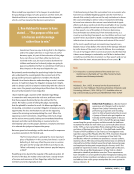
Understanding the need for authentic experience, which young
people, in particular, rely on, Hakan is developing a project “to
vaccinate youth against cult involvement.” Knowing that “It’s a
waste of time to tell people” that they can be manipulated by
cults— “vulnerable people never listen. They don’t think they’ll
fall victim,” the project is geared toward providing them with the
experience of being deceived (in a safe setting). Rather than merely
instructing the youth about the dangers of cults, Hakan works
with a magician who provides an entertaining experience in which
audience members are manipulated, and then made to see by
themselves that they have, in fact, been conned. It is a much more
effective way to vaccinate.
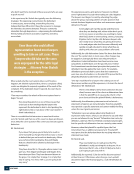
We’ve reached the end of our time together. It’s about 7:30 p.m.,
Swedish time, and Hakan’s partner, Meta (“It seems silly to call her
my girlfriend—we’ve been together for 20 years”) comes home.
Suddenly, the strain of talking about these awful things seems
to disappear completely. His face relaxes and his expression
transforms into one of pure joy: it’s the face of a man alive, and right
in the middle of things. n
Hakan Jarva