16 ICSA TODAY
practices the person may have endured while in the group
whether one calls a group a cult or not is less important for
healing and recovery than understanding the processes people
commonly undergo during and after suffering abuse and
manipulation.
Treating Sex Trafficking Victims
Presenter: Annalisa Enrile
To begin the sessions on sex trafficking, international advocate
and author Dr. Annalisa Enrile provided the audience with an
overview of the scope of the problem. There are up to 27 million
victims of human trafficking worldwide, of whom a substantial
number are sex trafficking victims. Although the majority of sex
trafficking victims are between 18 and 24 years old, the average
age at which they become sexually exploited is between 12 and
14, which means that the vast majority of survivors who have
been rescued ultimately suffer for years before being noticed.
One of the most obvious issues Dr. Enrile identified is the
problem of separating sex trafficking from human trafficking.
They are often intertwined, with both involving force, fraud, or
coercion, and ensnaring victims of all ages. And, as Dr. Enrile
pointed out, in the United States there is arguably a greater
problem with labor trafficking. Furthermore, from a policy
perspective, sex trafficking and human trafficking have been
combatted together.
Dr. Enrile explained that she focuses on the problem primarily
from a systems and policy perspective. Through this lens, she
discussed many of the legislative and governmental attempts to
combat human trafficking both in the United States and abroad.
Of these, perhaps the most significant to the U.S. audience is
the Trafficking Victims Protection Act (TVPA) of 2000 and its
subsequent revisions. For instance, the TVPA allocates funds
for shelter programs for minors and provides for visas to assist
victims of human trafficking who lack documentation. The TVPA
is also somewhat controversial for providing more resources for
law enforcement and prosecution at the expense of prevention
and services for survivors. Dr. Enrile argued that the TVPA
places too much emphasis on enforcement and not enough
on providing resources or encouraging partnerships among
professionals and organizations. She highlighted the need for
interdisciplinary cooperation in order to confront the problem
from every angle.
Presenter: Andrea Moore-Emmett
To illustrate the intersection between
cults and sex trafficking, one need
go no further than the polygamist
sects of the United States. Andrea
Moore-Emmett’s experience covering
the Fundamentalist Latter-day
Saints (FLDS) provided just such an
illustration. During her time as a
journalist, Moore-Emmett learned
that arranging sexual relationships between women and
church-appointed men is a common practice within the FLDS
church. Frequently, these arrangements are made regardless of
any incestuous boundaries and against the will of the female
victims, which further highlights the sex-trafficking aspect of
this practice.
Moore-Emmett offered harrowing descriptions of polygamous
sects that push the boundaries of religious freedom. While
covering women’s issues, for example, she learned from a local
health department that newborn infants were being buried
in the desert. Born with significant birth defects, presumably
from incest that is frequent within FLDS communities, these
infants were either stillborn or killed shortly after birth. Even
though the health department was aware of the problem, it
was reluctant to confront these religious sects because, among
other reasons, it wanted the groups to continue trusting the
department so it could continue providing vaccinations the
sects otherwise opposed. Incest is not necessarily sex trafficking,
but within the FLDS, because of the forced nature of these
incestuous relationships, incest often is considered equivalent
to sex trafficking.
Moore-Emmett asserted that the polygamy of popular culture
(e.g., reality TV shows) presents it as an alternative lifestyle,
thus obscuring the harmful practices polygamy may involve.
Also, people don’t recognize that there is a difference between
freedom to practice one’s religious beliefs and freedom to abuse
in the name of a religious belief. This confusion prevents the
…whether one calls a group a cult or
not is less important for healing and
recovery than understanding
the processes people commonly
undergo during and after suffering
abuse and manipulation.
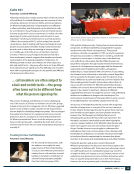
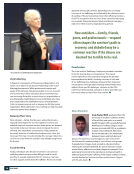
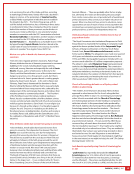
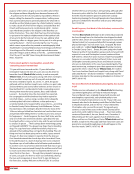
Dr. Annalisa Enrile giving an overview of sex trafficking
practices the person may have endured while in the group
whether one calls a group a cult or not is less important for
healing and recovery than understanding the processes people
commonly undergo during and after suffering abuse and
manipulation.
Treating Sex Trafficking Victims
Presenter: Annalisa Enrile
To begin the sessions on sex trafficking, international advocate
and author Dr. Annalisa Enrile provided the audience with an
overview of the scope of the problem. There are up to 27 million
victims of human trafficking worldwide, of whom a substantial
number are sex trafficking victims. Although the majority of sex
trafficking victims are between 18 and 24 years old, the average
age at which they become sexually exploited is between 12 and
14, which means that the vast majority of survivors who have
been rescued ultimately suffer for years before being noticed.
One of the most obvious issues Dr. Enrile identified is the
problem of separating sex trafficking from human trafficking.
They are often intertwined, with both involving force, fraud, or
coercion, and ensnaring victims of all ages. And, as Dr. Enrile
pointed out, in the United States there is arguably a greater
problem with labor trafficking. Furthermore, from a policy
perspective, sex trafficking and human trafficking have been
combatted together.
Dr. Enrile explained that she focuses on the problem primarily
from a systems and policy perspective. Through this lens, she
discussed many of the legislative and governmental attempts to
combat human trafficking both in the United States and abroad.
Of these, perhaps the most significant to the U.S. audience is
the Trafficking Victims Protection Act (TVPA) of 2000 and its
subsequent revisions. For instance, the TVPA allocates funds
for shelter programs for minors and provides for visas to assist
victims of human trafficking who lack documentation. The TVPA
is also somewhat controversial for providing more resources for
law enforcement and prosecution at the expense of prevention
and services for survivors. Dr. Enrile argued that the TVPA
places too much emphasis on enforcement and not enough
on providing resources or encouraging partnerships among
professionals and organizations. She highlighted the need for
interdisciplinary cooperation in order to confront the problem
from every angle.
Presenter: Andrea Moore-Emmett
To illustrate the intersection between
cults and sex trafficking, one need
go no further than the polygamist
sects of the United States. Andrea
Moore-Emmett’s experience covering
the Fundamentalist Latter-day
Saints (FLDS) provided just such an
illustration. During her time as a
journalist, Moore-Emmett learned
that arranging sexual relationships between women and
church-appointed men is a common practice within the FLDS
church. Frequently, these arrangements are made regardless of
any incestuous boundaries and against the will of the female
victims, which further highlights the sex-trafficking aspect of
this practice.
Moore-Emmett offered harrowing descriptions of polygamous
sects that push the boundaries of religious freedom. While
covering women’s issues, for example, she learned from a local
health department that newborn infants were being buried
in the desert. Born with significant birth defects, presumably
from incest that is frequent within FLDS communities, these
infants were either stillborn or killed shortly after birth. Even
though the health department was aware of the problem, it
was reluctant to confront these religious sects because, among
other reasons, it wanted the groups to continue trusting the
department so it could continue providing vaccinations the
sects otherwise opposed. Incest is not necessarily sex trafficking,
but within the FLDS, because of the forced nature of these
incestuous relationships, incest often is considered equivalent
to sex trafficking.
Moore-Emmett asserted that the polygamy of popular culture
(e.g., reality TV shows) presents it as an alternative lifestyle,
thus obscuring the harmful practices polygamy may involve.
Also, people don’t recognize that there is a difference between
freedom to practice one’s religious beliefs and freedom to abuse
in the name of a religious belief. This confusion prevents the
…whether one calls a group a cult or
not is less important for healing and
recovery than understanding
the processes people commonly
undergo during and after suffering
abuse and manipulation.
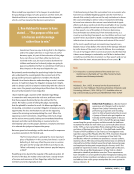
Dr. Annalisa Enrile giving an overview of sex trafficking