18 ICSA TODAY
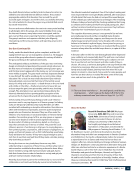
About the Author
Andy Vogler, MSW, graduated from the
University of Southern California School
of Social Work and works as a mental
health therapist with Cascadia Behavioral
Healthcare in Portland, Oregon. Andy
became involved with ICSA as a graduate
student of Doni Whitsett, PhD, when
he was introduced to the relationship
between trauma and high-demand
groups. His experience as a therapist at a rape crisis center
has informed his understanding of survival from such groups.
Originally from Chicago, Andy worked in education before
entering the mental health field. His clinical interests include
mental illness, addictions, and dual-diagnosis treatment. He is
particularly interested in the importance of physical health in
addressing psychological suffering. Andy enjoys triathlon, having
recently finished an Ironman, and he currently lives in Oregon
with his wife, Sarah. n
Victim-Blaming
A frequent consequence of the perceived dependence of a
victim on an abuser in an abusive relationship is the victim-
blaming phenomenon. While professionals may be well
aware of this dynamic, the general public is less so. As a part
of any prevention effort, education about victim blaming
can encourage the public to see victims not as prostitutes or
psychologically weak followers, but as individuals who have
been subjected to the exploitative tactics of manipulators.
Cults can ensnare anyone, just as anyone can fall into sexual
exploitation. While risk factors exist, nothing can fully inoculate
someone against these dangers.
Believing Their Story
How outsiders—family, friends, peers, and professionals—
respond often shapes the survivor’s path to recovery, and
disbelief may be a common reaction if the abuses are deemed
too terrible to be real. Clinicians must not repeat the errors
of Freud, who viewed the sexual trauma of his patients to
be merely fantasies of a debauched subconscious. Here, the
necessary first step is to acknowledge the courage it takes for a
survivor to reveal what the outsiders may already recognize to
be abusive.
Social Bonding
Finally, individuals who become involved in cults and sex-
trafficking relationships are often filling a need for social
bonding. A sexually exploited child, for instance, may have
no other support system than the trafficker. This fact is readily
apparent among cult survivors, but perhaps less so among
survivors of sex trafficking, as evidenced by the relatively recent
discarding of the term prostitute when the trafficking involves a
child. The recognition that survivors share a need for belonging
is a reminder that professionals, family, and friends can play a
vital role in their recovery simply by being present.
Conclusion
The Cults and Sex Trafficking Conference provided a valuable
forum for sharing ideas and experiences. This special
event helped those who attended recognize the parallels
between these two fields. Certainly, survivors of cults and
of sex trafficking face challenges unique to their respective
circumstances. And specialists working in these fields must
address those specific challenges. However, as the ICSA
conference demonstrated, specialists in these two fields also
have much they can learn from one another. n
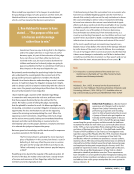
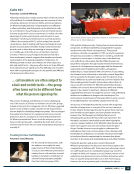
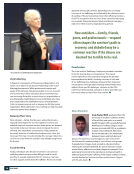
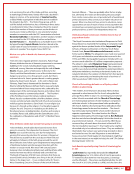
USC LA School of Social Work Dean Dr. Marilyn Flynn.
How outsiders—family, friends,
peers, and professionals—respond
often shapes the survivor’s path to
recovery, and disbelief may be a
common reaction if the abuses are
deemed too terrible to be real.
About the Author
Andy Vogler, MSW, graduated from the
University of Southern California School
of Social Work and works as a mental
health therapist with Cascadia Behavioral
Healthcare in Portland, Oregon. Andy
became involved with ICSA as a graduate
student of Doni Whitsett, PhD, when
he was introduced to the relationship
between trauma and high-demand
groups. His experience as a therapist at a rape crisis center
has informed his understanding of survival from such groups.
Originally from Chicago, Andy worked in education before
entering the mental health field. His clinical interests include
mental illness, addictions, and dual-diagnosis treatment. He is
particularly interested in the importance of physical health in
addressing psychological suffering. Andy enjoys triathlon, having
recently finished an Ironman, and he currently lives in Oregon
with his wife, Sarah. n
Victim-Blaming
A frequent consequence of the perceived dependence of a
victim on an abuser in an abusive relationship is the victim-
blaming phenomenon. While professionals may be well
aware of this dynamic, the general public is less so. As a part
of any prevention effort, education about victim blaming
can encourage the public to see victims not as prostitutes or
psychologically weak followers, but as individuals who have
been subjected to the exploitative tactics of manipulators.
Cults can ensnare anyone, just as anyone can fall into sexual
exploitation. While risk factors exist, nothing can fully inoculate
someone against these dangers.
Believing Their Story
How outsiders—family, friends, peers, and professionals—
respond often shapes the survivor’s path to recovery, and
disbelief may be a common reaction if the abuses are deemed
too terrible to be real. Clinicians must not repeat the errors
of Freud, who viewed the sexual trauma of his patients to
be merely fantasies of a debauched subconscious. Here, the
necessary first step is to acknowledge the courage it takes for a
survivor to reveal what the outsiders may already recognize to
be abusive.
Social Bonding
Finally, individuals who become involved in cults and sex-
trafficking relationships are often filling a need for social
bonding. A sexually exploited child, for instance, may have
no other support system than the trafficker. This fact is readily
apparent among cult survivors, but perhaps less so among
survivors of sex trafficking, as evidenced by the relatively recent
discarding of the term prostitute when the trafficking involves a
child. The recognition that survivors share a need for belonging
is a reminder that professionals, family, and friends can play a
vital role in their recovery simply by being present.
Conclusion
The Cults and Sex Trafficking Conference provided a valuable
forum for sharing ideas and experiences. This special
event helped those who attended recognize the parallels
between these two fields. Certainly, survivors of cults and
of sex trafficking face challenges unique to their respective
circumstances. And specialists working in these fields must
address those specific challenges. However, as the ICSA
conference demonstrated, specialists in these two fields also
have much they can learn from one another. n
USC LA School of Social Work Dean Dr. Marilyn Flynn.
How outsiders—family, friends,
peers, and professionals—respond
often shapes the survivor’s path to
recovery, and disbelief may be a
common reaction if the abuses are
deemed too terrible to be real.