17 VOLUME 8 |ISSUE 1 |2017
public from recognizing the exploitation so prevalent among
these groups. Moore-Emmett argued that, to educate the
public, polygamous sects must be discussed in terms of sex
trafficking and child mistreatment.
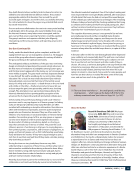
Presenter: Halleh Seddighzadeh
As an international trauma specialist,
Dr. Halleh Seddighzadeh began
to concentrate her practice in the
area of sex trafficking because of
her experience with war conflict
trauma and human-rights abuses. Dr.
Seddighzadeh offered her insights
into assisting survivors of human
trafficking, with a particular emphasis
on treatment. Echoing Dr. Enrile’s observation that there are
no empirically supported interventions specifically tailored
to survivors of sex trafficking, Dr. Seddighzadeh noted that
many survivors require treatment for traumatic stress. As with
cult survivors, particularly those who grew up within the high-
demand environment, survivors of sex trafficking often require
intensive case management. They may have little experience
managing daily living activities over which they never had
control. And given that the path toward recovery often requires
navigating complex social-service systems, survivors need
ongoing support from allies familiar with these resources. Still,
in working with survivors who have experienced an extreme
loss of personal autonomy, treatment requires both providing
direct assistance and facilitating empowerment. The importance
of providing treatment while still helping survivors to assert
themselves is a theme with which both the cult and sex-
trafficking fields are likely familiar.
Policy Implications
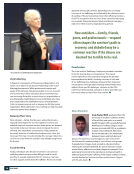
Presenter: Alan Scheflin
One challenge with assisting cult
and sex-trafficking survivors is
the difficulty of proving in legal
proceedings of various sorts that
social influence has interfered with
a survivor’s free will. In other words,
it is difficult to demonstrate that
someone has been brainwashed, that
she has been subjected to mind-control techniques, or that her
current attitudes are the result of thought reform. Alan Scheflin’s
presentation on the legal concept of undue influence offered a
framework to allow experts to bring these controversial topics
into the courtroom. Although the reader is advised to consult
Scheflin’s original paper published online (icsahome.com/
articles/supporting-human-rights), a brief summary will suffice
here.
Concepts of brainwashing, mind control, and thought reform
have had a poor track record in the courtroom. Nor do they
enjoy widespread acceptance within the scientific community.
Because these are largely political terms, courts have never
embraced their use. To avoid them in the legal context, while
still considering the severity of social influence on victims of
cults and other high-demand groups, Scheflin argues that
attorneys, advocates, and expert witnesses should adopt the
concept of undue influence.
Undue influence is a legal concept used to acknowledge when
extreme social manipulation has overwhelmed an individual’s
free will. For example, undue influence can serve to invalidate
a will if agreements are made in the context of an impending
death. The assumption is that people are more susceptible to
social influence at the end of life, and that the law must protect
people at such a vulnerable time. Although it is difficult to
define, undue influence is no more vague than reasonable doubt,
which requires the same judicial discretion as many other legal
terms. Embracing such a well-known concept as undue influence
allows courts to fully grasp and consider the level of social
influence a high-demand group may employ. Use of the undue
influence term also facilitates the testimony of expert witnesses
and allows a complete discussion of the scientific evidence of
social influence and cult dynamics.
Panel Discussion: What Can the Fields of
Cults and Sex Trafficking Learn From Each
Other?
Throughout the conference, audience members and presenters
observed similarities between issues faced by survivors of
cults and survivors of sex trafficking, the family members who
support both, and the professionals who treat them. During
the afternoon session, which featured professionals from both
fields, several points of overlap emerged. While the discussion
did not claim to be exhaustive, it provided a starting point
for professionals from multiple disciplines to collaborate on
policies and interventions. Those participating in the discussion
were generally in agreement that, using a shared language,
professionals from both fields can learn from each other and
generate new ideas. Issues common to both cults and sex
trafficking that participants discussed included those in the
following subsections.
Attempts to Escape
As is well known from the domestic-violence field, survivors
may require several attempts to leave abusive relationships.
The same can be said of individuals involved in cults or sex-
trafficking relationships. This reality calls for patience and
persistence on the part of professionals and family members. It
also calls for sufficient self-care among professionals and loved
ones to avoid the pitfalls of burnout.
…the polygamy of popular culture
(e.g., reality TV shows) presents it
as an alternative lifestyle, thus
obscuring the harmful practices
polygamy may involve.
public from recognizing the exploitation so prevalent among
these groups. Moore-Emmett argued that, to educate the
public, polygamous sects must be discussed in terms of sex
trafficking and child mistreatment.
Presenter: Halleh Seddighzadeh
As an international trauma specialist,
Dr. Halleh Seddighzadeh began
to concentrate her practice in the
area of sex trafficking because of
her experience with war conflict
trauma and human-rights abuses. Dr.
Seddighzadeh offered her insights
into assisting survivors of human
trafficking, with a particular emphasis
on treatment. Echoing Dr. Enrile’s observation that there are
no empirically supported interventions specifically tailored
to survivors of sex trafficking, Dr. Seddighzadeh noted that
many survivors require treatment for traumatic stress. As with
cult survivors, particularly those who grew up within the high-
demand environment, survivors of sex trafficking often require
intensive case management. They may have little experience
managing daily living activities over which they never had
control. And given that the path toward recovery often requires
navigating complex social-service systems, survivors need
ongoing support from allies familiar with these resources. Still,
in working with survivors who have experienced an extreme
loss of personal autonomy, treatment requires both providing
direct assistance and facilitating empowerment. The importance
of providing treatment while still helping survivors to assert
themselves is a theme with which both the cult and sex-
trafficking fields are likely familiar.
Policy Implications
Presenter: Alan Scheflin
One challenge with assisting cult
and sex-trafficking survivors is
the difficulty of proving in legal
proceedings of various sorts that
social influence has interfered with
a survivor’s free will. In other words,
it is difficult to demonstrate that
someone has been brainwashed, that
she has been subjected to mind-control techniques, or that her
current attitudes are the result of thought reform. Alan Scheflin’s
presentation on the legal concept of undue influence offered a
framework to allow experts to bring these controversial topics
into the courtroom. Although the reader is advised to consult
Scheflin’s original paper published online (icsahome.com/
articles/supporting-human-rights), a brief summary will suffice
here.
Concepts of brainwashing, mind control, and thought reform
have had a poor track record in the courtroom. Nor do they
enjoy widespread acceptance within the scientific community.
Because these are largely political terms, courts have never
embraced their use. To avoid them in the legal context, while
still considering the severity of social influence on victims of
cults and other high-demand groups, Scheflin argues that
attorneys, advocates, and expert witnesses should adopt the
concept of undue influence.
Undue influence is a legal concept used to acknowledge when
extreme social manipulation has overwhelmed an individual’s
free will. For example, undue influence can serve to invalidate
a will if agreements are made in the context of an impending
death. The assumption is that people are more susceptible to
social influence at the end of life, and that the law must protect
people at such a vulnerable time. Although it is difficult to
define, undue influence is no more vague than reasonable doubt,
which requires the same judicial discretion as many other legal
terms. Embracing such a well-known concept as undue influence
allows courts to fully grasp and consider the level of social
influence a high-demand group may employ. Use of the undue
influence term also facilitates the testimony of expert witnesses
and allows a complete discussion of the scientific evidence of
social influence and cult dynamics.
Panel Discussion: What Can the Fields of
Cults and Sex Trafficking Learn From Each
Other?
Throughout the conference, audience members and presenters
observed similarities between issues faced by survivors of
cults and survivors of sex trafficking, the family members who
support both, and the professionals who treat them. During
the afternoon session, which featured professionals from both
fields, several points of overlap emerged. While the discussion
did not claim to be exhaustive, it provided a starting point
for professionals from multiple disciplines to collaborate on
policies and interventions. Those participating in the discussion
were generally in agreement that, using a shared language,
professionals from both fields can learn from each other and
generate new ideas. Issues common to both cults and sex
trafficking that participants discussed included those in the
following subsections.
Attempts to Escape
As is well known from the domestic-violence field, survivors
may require several attempts to leave abusive relationships.
The same can be said of individuals involved in cults or sex-
trafficking relationships. This reality calls for patience and
persistence on the part of professionals and family members. It
also calls for sufficient self-care among professionals and loved
ones to avoid the pitfalls of burnout.
…the polygamy of popular culture
(e.g., reality TV shows) presents it
as an alternative lifestyle, thus
obscuring the harmful practices
polygamy may involve.