Cultic Studies Journal, Volume 17, 2000, Page 6
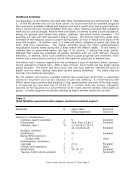
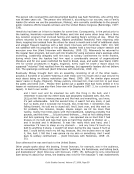
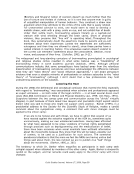
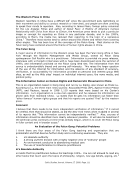
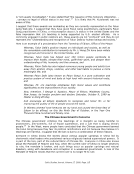
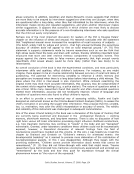
In other situations, a diagnostic group could be identified, but not a specific disorder. A
child with acute lymphocytic leukemia presenting for medical attention in 1977 would have
an expected 3-year survival of 74%18 and 5-year survival 50%. Thus this child would be
placed into the good outcome group. But a child with a nonspecific leukemia could only be
assigned based on overall outcome for all types of the disease and was thus placed into the
fair group.
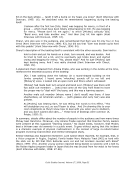
In a few instances, judgment based on clinical experience had to be applied. For example,
the data in all cases of renal failure were not adequate to determine an etiology for the end-
state disease. However, they were sufficient to exclude active processes such as Lupus or
cancers. All of the teenagers in that group seemed to be good dialysis candidates, ensuring
a 90% chance of long-term survival. Thus, the prognosis for their condition was
considered excellent. In any situation in which the heterogeneity of clinical presentations
made a simple, direct classification difficult, such as in the case of a foreign body aspiration,
the most conservative classification that seemed reasonable was assigned.
Infants with fetal demise were placed in favorable prognostic groups only if adequate
inspection or autopsy excluded major malformations. Although in utero demise can happen
under obstetrical supervision, close monitoring improves detection and treatment of high-
risk circumstances that lead to fetal loss. The expected outcome of a third trimester
pregnancy is a live born, surviving infant, and thus, for the purpose of this review, expected
outcome with care is excellent. Likewise, many of the preterm births might have been
delayed with prenatal care or had successful neonatal supportive care. Thus, the expected
outcome of preterm infants and stillborns was considered good.
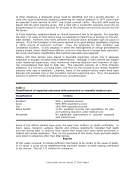
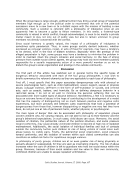
Table 1
Classification of expected outcomes with preventive or remedial medical care
Classification Criteria
Excellent 90% expected survival
Good 50%-89% expected survival
Fair 10%-49% expected survival
Some benefit 10% expected survival but expectation for pain
and suffering reduction under medical care
No benefit No significant improvement in outcome expected
with medical care
Some of the infants studied were given the legal term stillborn on death certificates. In
many cases, however, autopsy reports and witness statements indicated that death
occurred during labor or delivery from causes that would have been easily prevented or
treated with skilled assistance. Thus, for the purposes of this study, these perinatal deaths
were listed in categories other than fetal demise.
Results
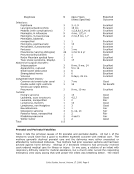
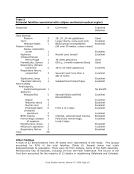
Of 201 cases reviewed, 14 lacked sufficient information to be certain of the cause of death.
In 15 cases, it could not be established that exclusive reliance on faith healing contributed
to the demise. This left 172 children for evaluation.
In other situations, a diagnostic group could be identified, but not a specific disorder. A
child with acute lymphocytic leukemia presenting for medical attention in 1977 would have
an expected 3-year survival of 74%18 and 5-year survival 50%. Thus this child would be
placed into the good outcome group. But a child with a nonspecific leukemia could only be
assigned based on overall outcome for all types of the disease and was thus placed into the
fair group.
In a few instances, judgment based on clinical experience had to be applied. For example,
the data in all cases of renal failure were not adequate to determine an etiology for the end-
state disease. However, they were sufficient to exclude active processes such as Lupus or
cancers. All of the teenagers in that group seemed to be good dialysis candidates, ensuring
a 90% chance of long-term survival. Thus, the prognosis for their condition was
considered excellent. In any situation in which the heterogeneity of clinical presentations
made a simple, direct classification difficult, such as in the case of a foreign body aspiration,
the most conservative classification that seemed reasonable was assigned.
Infants with fetal demise were placed in favorable prognostic groups only if adequate
inspection or autopsy excluded major malformations. Although in utero demise can happen
under obstetrical supervision, close monitoring improves detection and treatment of high-
risk circumstances that lead to fetal loss. The expected outcome of a third trimester
pregnancy is a live born, surviving infant, and thus, for the purpose of this review, expected
outcome with care is excellent. Likewise, many of the preterm births might have been
delayed with prenatal care or had successful neonatal supportive care. Thus, the expected
outcome of preterm infants and stillborns was considered good.
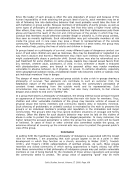
Table 1
Classification of expected outcomes with preventive or remedial medical care
Classification Criteria
Excellent 90% expected survival
Good 50%-89% expected survival
Fair 10%-49% expected survival
Some benefit 10% expected survival but expectation for pain
and suffering reduction under medical care
No benefit No significant improvement in outcome expected
with medical care
Some of the infants studied were given the legal term stillborn on death certificates. In
many cases, however, autopsy reports and witness statements indicated that death
occurred during labor or delivery from causes that would have been easily prevented or
treated with skilled assistance. Thus, for the purposes of this study, these perinatal deaths
were listed in categories other than fetal demise.
Results
Of 201 cases reviewed, 14 lacked sufficient information to be certain of the cause of death.
In 15 cases, it could not be established that exclusive reliance on faith healing contributed
to the demise. This left 172 children for evaluation.