Cultic Studies Journal, Vol. 15, No. 1, 1998, page 60
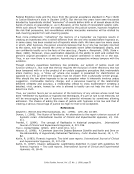
of a lack of faith when healing doesn‟t occur or when a need isn‟t met” (p.14) and “the faith
movement error is devastating thousands of lives worldwide” (p.31). Most of the chapters
contain examples of people who have suffered because of the extremist faith theology
position. Reynalds considers faith movement extremists to be more like cults than orthodox
Christianity. “Serious problems can arise,” he writes, “when faith theology is misapplied or
carelessly interpreted” (p.203). Throughout the book, he offers a more reasoned, positive
position than the movement he criticizes. “We don‟t have to prove anything,” he tells us,
but “just relax and bask in the fact that God really loves us just the way we are” (p.58).
This introduces a major weakness in the book. Does God love serial killers and terrorists
who bomb buildings and airliners just the way they are? He writes “God has a wonderful
plan” for you if you “accept Jesus Christ as your Lord and Savior.” This implies that God
may not have as wonderful a plan for Jews, Moslems, Buddhists, and the unchurched. The
author here is approaching the same kind of gross overgeneralization or somewhat careless
interpretation as that which he criticizes.
In chapter 7 he urges us to check the “doctrinal position” of a mental health counselor
before agreeing to therapy, to ask about Freud and Jung, and “which school he or she
adheres to.” “Somebody who‟s on the level won‟t mind you asking questions like that”
(p.93). What about cognitive and behaviorist therapists, or humanistic therapists using
experiential and transpersonal methods? What about Christian counselors in denominations
with theology markedly different than your church or who have personal problems not
worked through? This reviewer has served on several ethics committees and has learned
that being a “Christian counselor” is no guarantee there will be no illegal, unethical, or
immoral therapist behavior. Most therapists so value the dignity and integrity of everyone,
regardless of their religious belief or even lack of it, they do no harm to one‟s spirituality.
Any licensed mental health professional who attempts to change anyone‟s religious belief
can and should be reported.
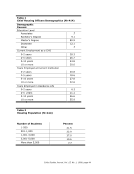
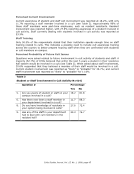
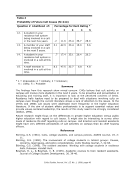
Chapter 7 ends with four tables of data based only on “psychiatric” symptoms and care.
Table 1 considers “difficulty with social contacts, concentrating, making decisions, and
handling emotions” to be psychiatric symptoms. “Psychosis-like symptoms” are listed but
not explained. Table 3 lists “length of stay in a Psychiatric Clinic” from one week to more
than three months. Most inpatient facilities are called hospitals or institutes, and what about
treatment by psychologists, social workers, or other licensed mental health professionals?
These tables and data are vague and incomplete.
On the positive side, the book focuses on one specific subject and analyzes it well, with real-
life examples, in simple language and a direct style. Despite the negatives cited, the book is
refreshing in its simplicity and the author‟s caring and warmth, and his earnest, genuine
attempt to be helpful flow through each chapter. Unstated goals also emerge: to help those
spiritually or psychologically injured to heal, to restore self-esteem, to renew trust in others
and faith in a higher power. In his closing pages, in better phrased, less sectarian language,
he urges readers to find a church where they can feel accepted, then “let God heal you” to
“come back to a place where you can again trust” (p.201). These positives more than make
up for the deficiencies noted, and if readers can take them into account, the book is
recommended for its insight into a form of Christian extremist theology and its potential
negative effects of spirituality and mental health.
Frank MacHovec, Ph.D.
Center for the Study of the Self
Gloucester, Virginia
of a lack of faith when healing doesn‟t occur or when a need isn‟t met” (p.14) and “the faith
movement error is devastating thousands of lives worldwide” (p.31). Most of the chapters
contain examples of people who have suffered because of the extremist faith theology
position. Reynalds considers faith movement extremists to be more like cults than orthodox
Christianity. “Serious problems can arise,” he writes, “when faith theology is misapplied or
carelessly interpreted” (p.203). Throughout the book, he offers a more reasoned, positive
position than the movement he criticizes. “We don‟t have to prove anything,” he tells us,
but “just relax and bask in the fact that God really loves us just the way we are” (p.58).
This introduces a major weakness in the book. Does God love serial killers and terrorists
who bomb buildings and airliners just the way they are? He writes “God has a wonderful
plan” for you if you “accept Jesus Christ as your Lord and Savior.” This implies that God
may not have as wonderful a plan for Jews, Moslems, Buddhists, and the unchurched. The
author here is approaching the same kind of gross overgeneralization or somewhat careless
interpretation as that which he criticizes.
In chapter 7 he urges us to check the “doctrinal position” of a mental health counselor
before agreeing to therapy, to ask about Freud and Jung, and “which school he or she
adheres to.” “Somebody who‟s on the level won‟t mind you asking questions like that”
(p.93). What about cognitive and behaviorist therapists, or humanistic therapists using
experiential and transpersonal methods? What about Christian counselors in denominations
with theology markedly different than your church or who have personal problems not
worked through? This reviewer has served on several ethics committees and has learned
that being a “Christian counselor” is no guarantee there will be no illegal, unethical, or
immoral therapist behavior. Most therapists so value the dignity and integrity of everyone,
regardless of their religious belief or even lack of it, they do no harm to one‟s spirituality.
Any licensed mental health professional who attempts to change anyone‟s religious belief
can and should be reported.
Chapter 7 ends with four tables of data based only on “psychiatric” symptoms and care.
Table 1 considers “difficulty with social contacts, concentrating, making decisions, and
handling emotions” to be psychiatric symptoms. “Psychosis-like symptoms” are listed but
not explained. Table 3 lists “length of stay in a Psychiatric Clinic” from one week to more
than three months. Most inpatient facilities are called hospitals or institutes, and what about
treatment by psychologists, social workers, or other licensed mental health professionals?
These tables and data are vague and incomplete.
On the positive side, the book focuses on one specific subject and analyzes it well, with real-
life examples, in simple language and a direct style. Despite the negatives cited, the book is
refreshing in its simplicity and the author‟s caring and warmth, and his earnest, genuine
attempt to be helpful flow through each chapter. Unstated goals also emerge: to help those
spiritually or psychologically injured to heal, to restore self-esteem, to renew trust in others
and faith in a higher power. In his closing pages, in better phrased, less sectarian language,
he urges readers to find a church where they can feel accepted, then “let God heal you” to
“come back to a place where you can again trust” (p.201). These positives more than make
up for the deficiencies noted, and if readers can take them into account, the book is
recommended for its insight into a form of Christian extremist theology and its potential
negative effects of spirituality and mental health.
Frank MacHovec, Ph.D.
Center for the Study of the Self
Gloucester, Virginia