Cultic Studies Journal, Vol. 15, No. 1, 1998, page 16
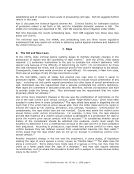
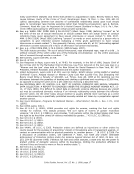
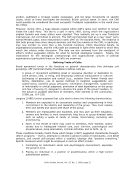
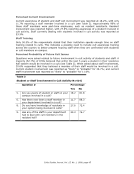
New York defines lack of consent as:
“1. Whether or not specifically stated, it is an element of every offense define in [sex offenses],
except the offense of consensual sodomy, that the sexual act was committed without consent of
the victim.
2. Lack of consent results from: (a) Forcible compulsion or (b) incapacity to consent or (c)
Where the offense charged is sexual abuse, any circumstances, in addition to forcible compulsion
or incapacity to consent, in which the victim does not expressly or impliedly acquiesce in the
actor‟s conduct.
3. A person is deemed incapable of consent when he or she is: ...(b) mentally defective or (c)
mentally incapacitated or (d) physically helpless....
***.” N.Y. PENAL LAW § 130.05 (McKinney 1998).
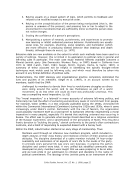
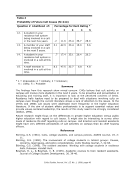
28. See State v. Hufford, 205 Conn. 386, 533 A.2d 866 (1987).
29. N.Y. PENAL LAW § 130.05 (2) (b) (McKinney 1998).
30. LA. REV. STAT. ANN. § 14:43 (A) (1) &(2) (West 1997 &Supp. 1998).
31. 301 N.J. Super. 363, 402, 694 A.2d 196, 214 (N.J. Super. Ct. App. Div.), cert. denied, 151 N.J.
466, 700 A.2d 878 (1997).
32. See id. at 394, 694 A.2d at 210.
33. Id. at 402, 694 A.2d at 214.
34. See id.
35. Id. at 404, 694 A.2d at 215.
36. Id. (“[W]e are convinced that the State failed to present enough evidence to prove to a reasonable
jury that force or coercion were used against [the victim].”).
37. Id. at 394, 694 A.2d at 210.
38. See id. at 397, 694 A.2d at 212.
39. 400 N.W.2d 166, 168 (Minn. Ct. App. 1987).
40. Id.
41. See Singer, supra note 5.
42. See Douglas H. Cook, Tort Liability for Cult Deprogramming: Peterson v. Sorlien, 43 Ohio St. L.J.
465, 483 (1982) (arguing that cults use mind control in their indoctrination process).
43. See Richard Delgado, Comment, Religious Totalism: Gentle and Ungentle Persuasion Under the
First Amendment, 51. S. Cal. L. Rev. 1, 8, 50-52 (1977) (arguing that the process by which cults
draw people in “seriously erode[s] the voluntary quality of their choice”).
44. Ann Penners Wrosch, Comment, Undue Influence, Involuntary Servitude and Brainwashing: A
More Consistent, Interests-Based Approach, 25 Loy. L.A.L. Rev. 299, 506 (1992).
45. Singer, supra note 5, at 250.
46. Id. at 169.
47. See id.
48. Lalich, supra note 4, at 6.
49. Id.
50. Katherine E. Betz, No Place to Go: Life in a Prison Without Bars, 14 Cultic Stud. J. 85, 92 (1997)
51. People v. Manson, 61 Cal. App. 3d 102, 130-31, 132 Cal. Rptr. 265, 278 (Cal Ct. App. 1976)
52. Id. at 131, 132 Cal. Rptr. At 279.
53. 408 F.2d 325 (1969).
54. 233 Neb. 74, 444 N.W.2d 630 (1989).
55. 140 N.H. 249, 665 A.2d 372 (1995).
56. See Ken Dilanian, “$1.9 Million Awarded in Sex Scandal.” Inquirer Harrisburg Bureau, Dec. 10,
1997.
57. Martinez, 1995 Ohio App. LEXIS 5091, at *4 (citations omitted).
58. MINN. STAT. ANN. § 609.341 (14) (West 1987 &Supp. 1998).
59. Peterson v. Sorlien, 299 N.W.2d 123, 130 (Minn. 1980), cert. denied, 450 U.S. 1031 (1981).
60. United States v. Fishman, 743 F. Supp. 713, 715 (N.D. Cal. 1990).
61. See id. at 716.
62. Id. (quoting E. Hunter, Brainwashing in Red China (1951)).
63. Id. at 716-20 (reasoning that the peers of the experts were not in agreement that coercive theory
applied to cults and, therefore, under evidentiary test, “the Frye test,” the proffered testimony
was not admissible because it was not well-recognized in the scientific community).
64. People v. Murphy, 98 Misc. 2d 235, 413 N.Y.S.2d 540, 543-44 (N.Y. Sup. Ct. 1977).
65. See Kathleen F. Cairney, Note, Addressing Acquaintance Rape: The New Direction of the Rape Law
Reform Movement, 69 St. John‟s L. Rev. 291, 291, 297 (Winter-Spring 1995) (contending that
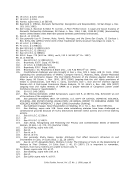
New York defines lack of consent as:
“1. Whether or not specifically stated, it is an element of every offense define in [sex offenses],
except the offense of consensual sodomy, that the sexual act was committed without consent of
the victim.
2. Lack of consent results from: (a) Forcible compulsion or (b) incapacity to consent or (c)
Where the offense charged is sexual abuse, any circumstances, in addition to forcible compulsion
or incapacity to consent, in which the victim does not expressly or impliedly acquiesce in the
actor‟s conduct.
3. A person is deemed incapable of consent when he or she is: ...(b) mentally defective or (c)
mentally incapacitated or (d) physically helpless....
***.” N.Y. PENAL LAW § 130.05 (McKinney 1998).
28. See State v. Hufford, 205 Conn. 386, 533 A.2d 866 (1987).
29. N.Y. PENAL LAW § 130.05 (2) (b) (McKinney 1998).
30. LA. REV. STAT. ANN. § 14:43 (A) (1) &(2) (West 1997 &Supp. 1998).
31. 301 N.J. Super. 363, 402, 694 A.2d 196, 214 (N.J. Super. Ct. App. Div.), cert. denied, 151 N.J.
466, 700 A.2d 878 (1997).
32. See id. at 394, 694 A.2d at 210.
33. Id. at 402, 694 A.2d at 214.
34. See id.
35. Id. at 404, 694 A.2d at 215.
36. Id. (“[W]e are convinced that the State failed to present enough evidence to prove to a reasonable
jury that force or coercion were used against [the victim].”).
37. Id. at 394, 694 A.2d at 210.
38. See id. at 397, 694 A.2d at 212.
39. 400 N.W.2d 166, 168 (Minn. Ct. App. 1987).
40. Id.
41. See Singer, supra note 5.
42. See Douglas H. Cook, Tort Liability for Cult Deprogramming: Peterson v. Sorlien, 43 Ohio St. L.J.
465, 483 (1982) (arguing that cults use mind control in their indoctrination process).
43. See Richard Delgado, Comment, Religious Totalism: Gentle and Ungentle Persuasion Under the
First Amendment, 51. S. Cal. L. Rev. 1, 8, 50-52 (1977) (arguing that the process by which cults
draw people in “seriously erode[s] the voluntary quality of their choice”).
44. Ann Penners Wrosch, Comment, Undue Influence, Involuntary Servitude and Brainwashing: A
More Consistent, Interests-Based Approach, 25 Loy. L.A.L. Rev. 299, 506 (1992).
45. Singer, supra note 5, at 250.
46. Id. at 169.
47. See id.
48. Lalich, supra note 4, at 6.
49. Id.
50. Katherine E. Betz, No Place to Go: Life in a Prison Without Bars, 14 Cultic Stud. J. 85, 92 (1997)
51. People v. Manson, 61 Cal. App. 3d 102, 130-31, 132 Cal. Rptr. 265, 278 (Cal Ct. App. 1976)
52. Id. at 131, 132 Cal. Rptr. At 279.
53. 408 F.2d 325 (1969).
54. 233 Neb. 74, 444 N.W.2d 630 (1989).
55. 140 N.H. 249, 665 A.2d 372 (1995).
56. See Ken Dilanian, “$1.9 Million Awarded in Sex Scandal.” Inquirer Harrisburg Bureau, Dec. 10,
1997.
57. Martinez, 1995 Ohio App. LEXIS 5091, at *4 (citations omitted).
58. MINN. STAT. ANN. § 609.341 (14) (West 1987 &Supp. 1998).
59. Peterson v. Sorlien, 299 N.W.2d 123, 130 (Minn. 1980), cert. denied, 450 U.S. 1031 (1981).
60. United States v. Fishman, 743 F. Supp. 713, 715 (N.D. Cal. 1990).
61. See id. at 716.
62. Id. (quoting E. Hunter, Brainwashing in Red China (1951)).
63. Id. at 716-20 (reasoning that the peers of the experts were not in agreement that coercive theory
applied to cults and, therefore, under evidentiary test, “the Frye test,” the proffered testimony
was not admissible because it was not well-recognized in the scientific community).
64. People v. Murphy, 98 Misc. 2d 235, 413 N.Y.S.2d 540, 543-44 (N.Y. Sup. Ct. 1977).
65. See Kathleen F. Cairney, Note, Addressing Acquaintance Rape: The New Direction of the Rape Law
Reform Movement, 69 St. John‟s L. Rev. 291, 291, 297 (Winter-Spring 1995) (contending that