Cultic Studies Review, Vol. 2, No. 3, 2003, Page 8
Adaptation process
For the Spanish adaptation of the GPA scale, we followed the international methodological
standards recommended by the International Test Commission (ITC) in order to adequately
adapt instruments from one culture to a new one (Hambleton, 1994 Hambleton, 1996
Muñiz &Hambleton, 2000). Specifically, we followed these steps:
1. Ensure that the constructs used in different languages and cultural groups of interest
were equivalent. For this purpose, we were assisted by a team of six researchers of
renowned experience in the subject matter, who were interviewed in order to
evaluate whether the constructs measured by the instrument in the original language
and group, could be found in a similar form and frequency in the target group to
which the adapted instrument was aimed.
2. We decided to adapt an existing instrument instead of developing a new one, due to
the interest shown in previous occasions to carry out transcultural studies, which
means using common instruments adapted to different languages.
3. We selected two qualified translators, one of them Spanish and the other North
American, both with experience in translations from American English into Spanish,
and vice versa, and a wide knowledge of both involved cultures. Both had lived for
long periods of time in the country different from the one they originally came from.
Before reviewing the scale, both translators went through individual training sessions
on the constructs being evaluated and on test construction (i.e., multiple response
choices, etc.)
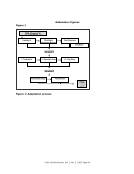
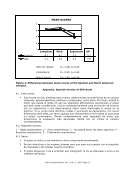
4. The GPA scale was translated by the Spanish translator (see Figure 1: Translator A)
from the original source language into Spanish. After being reviewed by one of the
constructors of the Spanish version, and with the agreement of the team of
researchers, the instrument was back-translated by the North American translator
into American English (Translator B).
5. The adapted version of the instrument was then reviewed and went through the
necessary corrections. First, the team of experts evaluated the equivalence of the
instrument by comparing both English versions: original and back-translated
versions. According to that, the Spanish version was reviewed, and slight
modifications were introduced in the Spanish version. A pilot study was then carried
out with the adapted instrument being administered to a sample of 20 former
members of diverse manipulative groups, who were also interviewed in order to get
their opinion on the different aspects related to the understanding of instructions,
item‘s writing, etc. As a consequence, and together with the psychometric results
obtained, some modifications were again introduced in the final Spanish version of
the instrument.
6. Finally, this last version was administered to 61 subjects, who identified themselves
as former members of diverse manipulative groups. We then analyzed the
psychometric results obtained and, following a new revision carried out by the team
of researchers, we got the final Spanish version of the instrument. (See Appendix)
Procedure
The evaluations were carried out in 13 different provinces inside Spain, corresponding to the
different places of residence of the subjects who took part in the study. Certain
characteristics of some members of the sample, i.e., difficult to get in touch with, a
reluctance to attend an interview in person, geographical distance, made us consider two
different ways to take part in this study: one was physical attendance, and the second was
by ordinary mail. In both cases, a qualified interviewer informed the subjects about the
Adaptation process
For the Spanish adaptation of the GPA scale, we followed the international methodological
standards recommended by the International Test Commission (ITC) in order to adequately
adapt instruments from one culture to a new one (Hambleton, 1994 Hambleton, 1996
Muñiz &Hambleton, 2000). Specifically, we followed these steps:
1. Ensure that the constructs used in different languages and cultural groups of interest
were equivalent. For this purpose, we were assisted by a team of six researchers of
renowned experience in the subject matter, who were interviewed in order to
evaluate whether the constructs measured by the instrument in the original language
and group, could be found in a similar form and frequency in the target group to
which the adapted instrument was aimed.
2. We decided to adapt an existing instrument instead of developing a new one, due to
the interest shown in previous occasions to carry out transcultural studies, which
means using common instruments adapted to different languages.
3. We selected two qualified translators, one of them Spanish and the other North
American, both with experience in translations from American English into Spanish,
and vice versa, and a wide knowledge of both involved cultures. Both had lived for
long periods of time in the country different from the one they originally came from.
Before reviewing the scale, both translators went through individual training sessions
on the constructs being evaluated and on test construction (i.e., multiple response
choices, etc.)
4. The GPA scale was translated by the Spanish translator (see Figure 1: Translator A)
from the original source language into Spanish. After being reviewed by one of the
constructors of the Spanish version, and with the agreement of the team of
researchers, the instrument was back-translated by the North American translator
into American English (Translator B).
5. The adapted version of the instrument was then reviewed and went through the
necessary corrections. First, the team of experts evaluated the equivalence of the
instrument by comparing both English versions: original and back-translated
versions. According to that, the Spanish version was reviewed, and slight
modifications were introduced in the Spanish version. A pilot study was then carried
out with the adapted instrument being administered to a sample of 20 former
members of diverse manipulative groups, who were also interviewed in order to get
their opinion on the different aspects related to the understanding of instructions,
item‘s writing, etc. As a consequence, and together with the psychometric results
obtained, some modifications were again introduced in the final Spanish version of
the instrument.
6. Finally, this last version was administered to 61 subjects, who identified themselves
as former members of diverse manipulative groups. We then analyzed the
psychometric results obtained and, following a new revision carried out by the team
of researchers, we got the final Spanish version of the instrument. (See Appendix)
Procedure
The evaluations were carried out in 13 different provinces inside Spain, corresponding to the
different places of residence of the subjects who took part in the study. Certain
characteristics of some members of the sample, i.e., difficult to get in touch with, a
reluctance to attend an interview in person, geographical distance, made us consider two
different ways to take part in this study: one was physical attendance, and the second was
by ordinary mail. In both cases, a qualified interviewer informed the subjects about the