Cultic Studies Review, Vol. 2, No. 3, 2003, Page 20
Japanese Activities to Counter Cults
Hiroshi Yamaguchi, Esq.
In this brief paper I will discuss Japanese responses to three areas pertinent to cults: (1)
judicial standards in cases involving donations (2) the position taken by the French
National Congress and (3) Falun Gong.
Judicial Standards in Cases Involving Donations
In the Japanese civil courts over ten cases found the Unification Church liable for activities
related to persuading people to make donations. Several other organizations were also
ordered to pay compensation to victims because of the illegal activities of demanding
donations from new followers.
Plaintiffs have lost cases against religious cults for two reasons. First, the activities of the
religious members were declared legal due to lack of evidence. Second, their activities were
not found to be illegal because the plaintiffs had been willing to pay donations at the time.
What is the standard for civil courts to decide legal vs. Illegal? There is obviously a fine line
between right and wrong, legal and illegal. And this is when social norms must be
considered. But what is considered a social norm by the Japanese courts? Recently,
Japanese courts have identified three objective elements by which to judge relevant social
norms:
1. Intention. When the aim of activities is mainly for raising money, these activities tend
to be considered illegal.
2. Methods used to get money, including (a) how long pressure was put on victims for
donations (b) how many members were involved in each incident of pressure and what
kind of place this pressure took place in (c) what is revealed by the organization‘s
instructional manuals.
3. Effect, e.g., the amount of money donated.
Cultic religious organizations as defendants try to insist that the victims as plaintiffs were
willing to donate, or emphasize that members did not use forceful methods. However as
Japanese courts consider the objective elements and objective evidence of each case to be
more important than the psychological elements and subjective opinions of the defendants,
the activities of Moonies, for example, have often been ruled illegal on an objective basis.
Using these objective standards the Japanese civil courts have often ruled that the
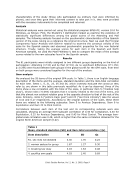
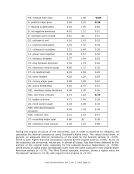
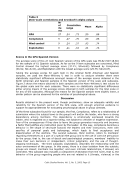
organized activities of Moonies are illegal and The Unification Church is liable (see Appendix
1).
Position Taken by the French National Congress
My colleagues and I strongly admire the stance on cult issues of the French National
Congress with its passage of the Anti-Sect Law in May 2001. We are sure that this will
protect citizens from the poison of destructive cults in that it prohibits dangerous activities,
mind control techniques, and other mind-abusing activities of cults.
However, the adoption of such an approach in Japan is likely to be obstructed for the
following reasons:
4. Japanese citizens don‘t trust the police or the government. In contrast, French people
seem to rely on the police. In Japan there is the fear that the empowerment of the police
force may lead to violations of human rights and discrimination of minorities.
Japanese Activities to Counter Cults
Hiroshi Yamaguchi, Esq.
In this brief paper I will discuss Japanese responses to three areas pertinent to cults: (1)
judicial standards in cases involving donations (2) the position taken by the French
National Congress and (3) Falun Gong.
Judicial Standards in Cases Involving Donations
In the Japanese civil courts over ten cases found the Unification Church liable for activities
related to persuading people to make donations. Several other organizations were also
ordered to pay compensation to victims because of the illegal activities of demanding
donations from new followers.
Plaintiffs have lost cases against religious cults for two reasons. First, the activities of the
religious members were declared legal due to lack of evidence. Second, their activities were
not found to be illegal because the plaintiffs had been willing to pay donations at the time.
What is the standard for civil courts to decide legal vs. Illegal? There is obviously a fine line
between right and wrong, legal and illegal. And this is when social norms must be
considered. But what is considered a social norm by the Japanese courts? Recently,
Japanese courts have identified three objective elements by which to judge relevant social
norms:
1. Intention. When the aim of activities is mainly for raising money, these activities tend
to be considered illegal.
2. Methods used to get money, including (a) how long pressure was put on victims for
donations (b) how many members were involved in each incident of pressure and what
kind of place this pressure took place in (c) what is revealed by the organization‘s
instructional manuals.
3. Effect, e.g., the amount of money donated.
Cultic religious organizations as defendants try to insist that the victims as plaintiffs were
willing to donate, or emphasize that members did not use forceful methods. However as
Japanese courts consider the objective elements and objective evidence of each case to be
more important than the psychological elements and subjective opinions of the defendants,
the activities of Moonies, for example, have often been ruled illegal on an objective basis.
Using these objective standards the Japanese civil courts have often ruled that the
organized activities of Moonies are illegal and The Unification Church is liable (see Appendix
1).
Position Taken by the French National Congress
My colleagues and I strongly admire the stance on cult issues of the French National
Congress with its passage of the Anti-Sect Law in May 2001. We are sure that this will
protect citizens from the poison of destructive cults in that it prohibits dangerous activities,
mind control techniques, and other mind-abusing activities of cults.
However, the adoption of such an approach in Japan is likely to be obstructed for the
following reasons:
4. Japanese citizens don‘t trust the police or the government. In contrast, French people
seem to rely on the police. In Japan there is the fear that the empowerment of the police
force may lead to violations of human rights and discrimination of minorities.