Cultic Studies Review, Vol. 2, No. 3, 2003, Page 13
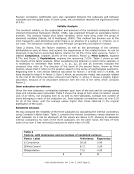
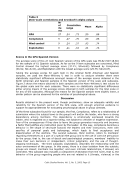
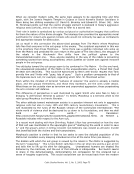
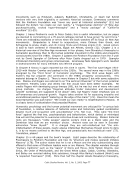
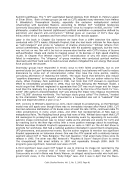
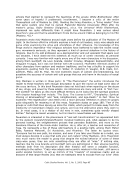
Table 3
Item-scale correlations and Cronbach’s Alpha values
Nr
of
ite
ms
Correlation
range
Mean Alpha
GPA 27 ,24 ,73 ,50 ,88
Compliance 9 ,47 ,70 ,60 ,86
Mind control 9 ,24 ,57 ,43 ,74
Exploitation 9 ,21 ,64 ,44 ,76
Scores in the GPA Spanish Version
The average score of this 27 item Spanish version of the GPA scale was 99.82 (SD=18.66)
for the sample of 61 Spanish subjects. As far as the 9 item subscales are concerned, Mind
Control showed the highest average score (37.21 SD=6.65) followed by Compliance
(36.91 SD=8.34), and Exploitation with the lowest average score (25.75 SD=8.07).
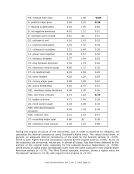
Taking the average scores for each item in the original North American and Spanish
samples, we used the Mann-Whitney U test in order to analyze whether there were
statistically significant differences amongst means of the average scores obtained in the
North American and Spanish samples in the Spanish version of the scale and subscales.
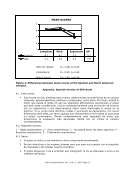
Figure 2 shows the means obtained in both samples and the Mann-Whitney U test values for
the global scale and for each subscale. There were no statistically significant differences
either among means of the average scores obtained in both samples for the total scale or
for any of the subscales. Although the means for the Spanish sample were slightly lower, a
similar pattern can be observed for the varieties of psychological abuse.
Discussion
Results obtained in the present work, though preliminary, show an adequate validity and
reliability for the Spanish version of the GPA scale, with enough empirical evidence to
support its appropriateness for evaluating psychological abuse in group contexts.
Of the three subscales found for our sample, the first, Compliance, refers to a relationship of
submission where the subject bows to the group‘s will and/or the leader, who favor a strong
dependency among members. This dependency is emotionally expressed towards the
leader, who is regarded as a superior being, not subject to criticism or negative expression.
Fear of the consequences if they dare to leave the group generates insecurity and becomes
a factor that justifies any instruction given by the leader. In this way, compliance becomes a
behavior in the shape of servitude towards the leaders and their instructions, even with
sacrifice of personal goals and belongings, which leads to final acceptance and
dissemination of the doctrine. The second subscale, Mind Control, refers to members'
regarding themselves as a part of a special elite group and to the use of coercive persuasion
by the group, that is, the use of deceit and psychological pressure, members' inability to
make their own decisions or independent, critical judgments, and the use of thought-
stopping techniques. The third subscale, Exploitation, describes the relationship with the
outer environment of the group. In this sense, there is a clear isolation from the outside
groups are closed members live together and even intimate relationships, if allowed, are
controlled. This subscale also includes a component of deviation from the norm, that is, the
behavior of the group regarding people who are not related to it (threats, violence) or the
Table 3
Item-scale correlations and Cronbach’s Alpha values
Nr
of
ite
ms
Correlation
range
Mean Alpha
GPA 27 ,24 ,73 ,50 ,88
Compliance 9 ,47 ,70 ,60 ,86
Mind control 9 ,24 ,57 ,43 ,74
Exploitation 9 ,21 ,64 ,44 ,76
Scores in the GPA Spanish Version
The average score of this 27 item Spanish version of the GPA scale was 99.82 (SD=18.66)
for the sample of 61 Spanish subjects. As far as the 9 item subscales are concerned, Mind
Control showed the highest average score (37.21 SD=6.65) followed by Compliance
(36.91 SD=8.34), and Exploitation with the lowest average score (25.75 SD=8.07).
Taking the average scores for each item in the original North American and Spanish
samples, we used the Mann-Whitney U test in order to analyze whether there were
statistically significant differences amongst means of the average scores obtained in the
North American and Spanish samples in the Spanish version of the scale and subscales.
Figure 2 shows the means obtained in both samples and the Mann-Whitney U test values for
the global scale and for each subscale. There were no statistically significant differences
either among means of the average scores obtained in both samples for the total scale or
for any of the subscales. Although the means for the Spanish sample were slightly lower, a
similar pattern can be observed for the varieties of psychological abuse.
Discussion
Results obtained in the present work, though preliminary, show an adequate validity and
reliability for the Spanish version of the GPA scale, with enough empirical evidence to
support its appropriateness for evaluating psychological abuse in group contexts.
Of the three subscales found for our sample, the first, Compliance, refers to a relationship of
submission where the subject bows to the group‘s will and/or the leader, who favor a strong
dependency among members. This dependency is emotionally expressed towards the
leader, who is regarded as a superior being, not subject to criticism or negative expression.
Fear of the consequences if they dare to leave the group generates insecurity and becomes
a factor that justifies any instruction given by the leader. In this way, compliance becomes a
behavior in the shape of servitude towards the leaders and their instructions, even with
sacrifice of personal goals and belongings, which leads to final acceptance and
dissemination of the doctrine. The second subscale, Mind Control, refers to members'
regarding themselves as a part of a special elite group and to the use of coercive persuasion
by the group, that is, the use of deceit and psychological pressure, members' inability to
make their own decisions or independent, critical judgments, and the use of thought-
stopping techniques. The third subscale, Exploitation, describes the relationship with the
outer environment of the group. In this sense, there is a clear isolation from the outside
groups are closed members live together and even intimate relationships, if allowed, are
controlled. This subscale also includes a component of deviation from the norm, that is, the
behavior of the group regarding people who are not related to it (threats, violence) or the