Cultic Studies Review, Vol. 2, No. 3, 2003, Page 76
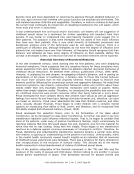
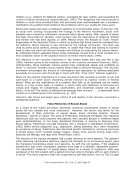
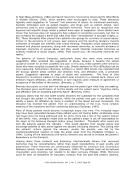
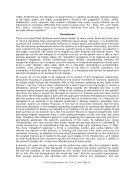
Feng, Peter X. "False Double Consciousness: Race, Virtual Reality and the Assimilation of
Hong Kong Action Cinema in The Matrix." In Ziauddin Sardar and Sean Cubitt Eds.
Aliens R Us: The Other in Science Fiction Cinema. London: Pluto Press, 2002: 149-
163.
Flannery-Dailey, Frances and Rachel Wagner. "Wake up! Gnosticism and Buddhism in The
Matrix." Journal of Religion and Film 5. 2 (2001):
http://www.unomaha.edu/~wwwjrf/gnostic.htm (references to paragraph numbers).
Ford, James L. "Buddhism, Christianity, and The Matrix: The Dialectic of Myth-Making in
Contemporary Cinema." Journal of Religion and Film 4.2 (2000):
http://www.unomaha.edu/~wwwjrf/thematrix.htm (references to paragraph
numbers).
Kimball, Samuel A. "Not Begetting the Future: Technological Autochtony, Sexual
Reproduction and the Mythic Structure of the Matrix." Journal Of Popular Culture,
35.3 (2001): 175-203.
Kohlberg, Lawrence. The Philosophy of Moral Development. New York: Harper and Row,
1981.
Morehead, John W. "Terror in the Name of God: The Rise of Religious Terrorism" Cultic
Studies Review 1.3 (2002):
http://www.cultsandsociety.com/csr_issues/csr_toc2002.3.htm (no paragraph
numeration).
Spiegel, James S. "Cinematic Illustrations in Christian Theology." Journal of Religion and
Film 6.2 (2002): http://www.unomaha.edu/~wwwjrf/cinematic.htm (references to
paragraph numbers).
Wachowski, Larry and Andy Wachowski. The Matrix DVD Video. Village Roadshow Pictures.
Warner Bros. Inc., 1999.
Wachowski, Larry and Andy Wachowski. The Matrix Reloaded. Village Roadshow Pictures.
Warner Bros. Inc. 2003.
Vladimir Tumanov, vtumanov@rogers.com
University of Western Ontario, London, Canada
Greenaway, J. P. (2003). In the shadow of the new age: Decoding the
Findhorn Foundation.
London, England: Finderne Publishing. 385 page paperback.
John Greenaway is a British lawyer whose interest in New Age religion took him to
Scotland‘s Findhorn Foundation, considered by many to be Europe‘s Esalen. This book
details his spiritual journey that included ―several short stays‖ at Findhorn, meditation with
a Carmelite monk as ―spiritual director,‖ and ―supplementary direction from Tibetan
Buddhist sources.‖ It is also a detailed history of the New Age from pre-World War II.
Greenaway concludes that New Age religion is socially divisive, blocks understanding by
those of differing spiritual paths, and undermines genuine spiritual renewal.‖
There is a lengthy 12-page Preface that could have been Chapter 1. There are 22 chapters
of varying lengths from Chapter 8 at three pages and Chapter 15 at 70 pages. The
bibliography uses an unusual 4-column format, and there is a detailed 13-page two-column
index. Greenaway considers the Findhorn Foundation ―a highly distorted and
commercialized version of the Ancient Wisdom‖ (p. 19). He describes a major weakness in
many cults and sects, absolute certainty they have spiritual truth though it is based on very
little or highly speculative data. ―Human potential practitioners make their own methods
sound more unique than they actually are‖ (67). Most are actually spin-offs of historical
Feng, Peter X. "False Double Consciousness: Race, Virtual Reality and the Assimilation of
Hong Kong Action Cinema in The Matrix." In Ziauddin Sardar and Sean Cubitt Eds.
Aliens R Us: The Other in Science Fiction Cinema. London: Pluto Press, 2002: 149-
163.
Flannery-Dailey, Frances and Rachel Wagner. "Wake up! Gnosticism and Buddhism in The
Matrix." Journal of Religion and Film 5. 2 (2001):
http://www.unomaha.edu/~wwwjrf/gnostic.htm (references to paragraph numbers).
Ford, James L. "Buddhism, Christianity, and The Matrix: The Dialectic of Myth-Making in
Contemporary Cinema." Journal of Religion and Film 4.2 (2000):
http://www.unomaha.edu/~wwwjrf/thematrix.htm (references to paragraph
numbers).
Kimball, Samuel A. "Not Begetting the Future: Technological Autochtony, Sexual
Reproduction and the Mythic Structure of the Matrix." Journal Of Popular Culture,
35.3 (2001): 175-203.
Kohlberg, Lawrence. The Philosophy of Moral Development. New York: Harper and Row,
1981.
Morehead, John W. "Terror in the Name of God: The Rise of Religious Terrorism" Cultic
Studies Review 1.3 (2002):
http://www.cultsandsociety.com/csr_issues/csr_toc2002.3.htm (no paragraph
numeration).
Spiegel, James S. "Cinematic Illustrations in Christian Theology." Journal of Religion and
Film 6.2 (2002): http://www.unomaha.edu/~wwwjrf/cinematic.htm (references to
paragraph numbers).
Wachowski, Larry and Andy Wachowski. The Matrix DVD Video. Village Roadshow Pictures.
Warner Bros. Inc., 1999.
Wachowski, Larry and Andy Wachowski. The Matrix Reloaded. Village Roadshow Pictures.
Warner Bros. Inc. 2003.
Vladimir Tumanov, vtumanov@rogers.com
University of Western Ontario, London, Canada
Greenaway, J. P. (2003). In the shadow of the new age: Decoding the
Findhorn Foundation.
London, England: Finderne Publishing. 385 page paperback.
John Greenaway is a British lawyer whose interest in New Age religion took him to
Scotland‘s Findhorn Foundation, considered by many to be Europe‘s Esalen. This book
details his spiritual journey that included ―several short stays‖ at Findhorn, meditation with
a Carmelite monk as ―spiritual director,‖ and ―supplementary direction from Tibetan
Buddhist sources.‖ It is also a detailed history of the New Age from pre-World War II.
Greenaway concludes that New Age religion is socially divisive, blocks understanding by
those of differing spiritual paths, and undermines genuine spiritual renewal.‖
There is a lengthy 12-page Preface that could have been Chapter 1. There are 22 chapters
of varying lengths from Chapter 8 at three pages and Chapter 15 at 70 pages. The
bibliography uses an unusual 4-column format, and there is a detailed 13-page two-column
index. Greenaway considers the Findhorn Foundation ―a highly distorted and
commercialized version of the Ancient Wisdom‖ (p. 19). He describes a major weakness in
many cults and sects, absolute certainty they have spiritual truth though it is based on very
little or highly speculative data. ―Human potential practitioners make their own methods
sound more unique than they actually are‖ (67). Most are actually spin-offs of historical