International Journal of Cultic Studies ■ Vol. 3, 2012 85
1Universidad Autónoma de Madrid
2Universidad de Barcelona 3Universidad de
Deusto
Almendros, Carrobles, Rodríguez-Carballeira i
Jansà (2004) przebadali wstępne właściwości
psychometryczne hiszpańskiej wersji Skali
Nadużyć Psychicznych ze Strony Grupy (GPA)
(Chambers, Langone, Dole &Grice, 1994).
Obecnie prezentowana praca rozszerza (o
rzetelność test-retest i trafność diagnostyczną)
dane przedstawione przez autorów w celu
zastosowania narzędzia (struktura czynnikowa i
wewnętrzną zgodność) na próbie 101 byłych
członków grup manipulacyjnych, którzy sami
się przyznali do takiej przynależności, jak
również dostarcza normatywne dane
hiszpańskiej populacji poddanej testowi GPA-S.
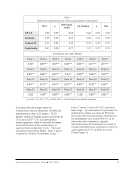
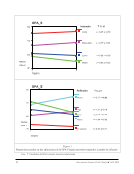
Wyniki badań potwierdzają trwałość – w
wymiarze czasowym – całej skali i jej podskal.
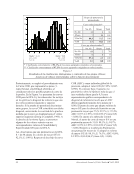
Dla GPA-S ustalono wielkość graniczną o
wartości 81 tym sposobem wyniki powyżej 80
w całościowej skali wskazują, że w grupie
dochodzi do nadużyć. Uzyskano też nowe
doświadczalne dowody na rzetelność i trafność
narzędzia, co sprawia, iż staje się ono użyteczne
na terenie Hiszpanii i może z powodzeniem
znaleźć zastosowanie zarówno dla celów
badawczych, jak i klinicznych.
Psychological Makeup of a Pakistani
Muslim Suicide Bomber: An
Observation-Based Perspective
Aftab Khan, MD, Department of Psychiatry,
Penn State Hershey Medical Center,
Pennsylvania
English
This article attempts to give a psychodynamic
explanation of the otherwise puzzling act of
suicide bombing. The author theorizes that
having experienced abandonment by one’s
family at a young age, having had a deranged
experience of puberty, having experienced cruel
and physically abusive disciplining, and having
an inability to reconcile with mortality can lead
to the development of maladaptive personality
traits. Such individuals may harbor unconscious
murderous rage toward authority, have identity
foreclosure, suffer from guilt and low self-
esteem, and have the potential to develop
mirroring and idealizing transference. The
article further describes the circumstances in
Pakistan, particularly in the context of Islam,
Jihad, terrorism, and the US war on terror, that
allow extremist leaders to exploit the murderous
rage toward authority within these vulnerable
individuals, which ultimately leads them to
commit suicide bombings.
Español
El maquillaje psicológico de un musulmán
pakistaní suicida: una perspectiva basada en la
observación
Aftab Khan, MD, Department of Psychiatry,
Penn State Hershey Medical Center,
Pennsylvania
Este artículo intenta ofrecer una explicación
psicodinámica del desconcertante acto del
suicidio con bomba. El autor parte de la teoría
de que haber experimentado el abandono
familiar desde una temprana edad, padecido una
experiencia alienante en la pubertad, sufrido una
disciplina abusiva tanto a nivel psicológico
como físico, y tenido una incapacidad para
reconciliarse con la muerte puede llevar a un
desarrollo de rasgos de personalidad
desadaptativos. Tales individuos pueden
albergar una rabia homicida inconsciente hacia
la autoridad, no tener una identidad consolidada,
sentir culpabilidad y un bajo amor propio, y
poseer el potencial para fomentar una
transferencia de idealización y de reflejo. El
artículo describe las circunstancias en Pakistán,
particularmente en el contexto del islam (la
Yihad, el terrorismo y la guerra contra el terror
de Estados Unidos), que permiten a los líderes
extremistas explotar esa rabia a través de estos
individuos vulnerables, hecho que en última
instancia les conduce a cometer suicidios con
bombas.
Deutsch
Psychologische Struktur eines pakistanischen
muslimischen Selbstmord-Attentäters: eine auf
Beobachtungen begründete Perspektive
Aftab Khan, MD
Abteilung Psychiatry, Penn State Hershey
Medical Center, Pennsylvania
1Universidad Autónoma de Madrid
2Universidad de Barcelona 3Universidad de
Deusto
Almendros, Carrobles, Rodríguez-Carballeira i
Jansà (2004) przebadali wstępne właściwości
psychometryczne hiszpańskiej wersji Skali
Nadużyć Psychicznych ze Strony Grupy (GPA)
(Chambers, Langone, Dole &Grice, 1994).
Obecnie prezentowana praca rozszerza (o
rzetelność test-retest i trafność diagnostyczną)
dane przedstawione przez autorów w celu
zastosowania narzędzia (struktura czynnikowa i
wewnętrzną zgodność) na próbie 101 byłych
członków grup manipulacyjnych, którzy sami
się przyznali do takiej przynależności, jak
również dostarcza normatywne dane
hiszpańskiej populacji poddanej testowi GPA-S.
Wyniki badań potwierdzają trwałość – w
wymiarze czasowym – całej skali i jej podskal.
Dla GPA-S ustalono wielkość graniczną o
wartości 81 tym sposobem wyniki powyżej 80
w całościowej skali wskazują, że w grupie
dochodzi do nadużyć. Uzyskano też nowe
doświadczalne dowody na rzetelność i trafność
narzędzia, co sprawia, iż staje się ono użyteczne
na terenie Hiszpanii i może z powodzeniem
znaleźć zastosowanie zarówno dla celów
badawczych, jak i klinicznych.
Psychological Makeup of a Pakistani
Muslim Suicide Bomber: An
Observation-Based Perspective
Aftab Khan, MD, Department of Psychiatry,
Penn State Hershey Medical Center,
Pennsylvania
English
This article attempts to give a psychodynamic
explanation of the otherwise puzzling act of
suicide bombing. The author theorizes that
having experienced abandonment by one’s
family at a young age, having had a deranged
experience of puberty, having experienced cruel
and physically abusive disciplining, and having
an inability to reconcile with mortality can lead
to the development of maladaptive personality
traits. Such individuals may harbor unconscious
murderous rage toward authority, have identity
foreclosure, suffer from guilt and low self-
esteem, and have the potential to develop
mirroring and idealizing transference. The
article further describes the circumstances in
Pakistan, particularly in the context of Islam,
Jihad, terrorism, and the US war on terror, that
allow extremist leaders to exploit the murderous
rage toward authority within these vulnerable
individuals, which ultimately leads them to
commit suicide bombings.
Español
El maquillaje psicológico de un musulmán
pakistaní suicida: una perspectiva basada en la
observación
Aftab Khan, MD, Department of Psychiatry,
Penn State Hershey Medical Center,
Pennsylvania
Este artículo intenta ofrecer una explicación
psicodinámica del desconcertante acto del
suicidio con bomba. El autor parte de la teoría
de que haber experimentado el abandono
familiar desde una temprana edad, padecido una
experiencia alienante en la pubertad, sufrido una
disciplina abusiva tanto a nivel psicológico
como físico, y tenido una incapacidad para
reconciliarse con la muerte puede llevar a un
desarrollo de rasgos de personalidad
desadaptativos. Tales individuos pueden
albergar una rabia homicida inconsciente hacia
la autoridad, no tener una identidad consolidada,
sentir culpabilidad y un bajo amor propio, y
poseer el potencial para fomentar una
transferencia de idealización y de reflejo. El
artículo describe las circunstancias en Pakistán,
particularmente en el contexto del islam (la
Yihad, el terrorismo y la guerra contra el terror
de Estados Unidos), que permiten a los líderes
extremistas explotar esa rabia a través de estos
individuos vulnerables, hecho que en última
instancia les conduce a cometer suicidios con
bombas.
Deutsch
Psychologische Struktur eines pakistanischen
muslimischen Selbstmord-Attentäters: eine auf
Beobachtungen begründete Perspektive
Aftab Khan, MD
Abteilung Psychiatry, Penn State Hershey
Medical Center, Pennsylvania