40 International Journal of Cultic Studies ■ Vol. 8, 2017
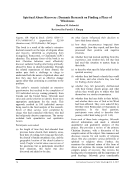
played into participants’ experiences of being in
the cult, deciding to leave, leaving, and living
outside the cult.
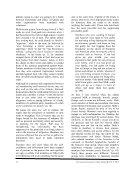
Theme 1: Patriarchy and Gender Roles
Not all cults utilize patriarchy and rigid gender
roles as a means of control and structure. Some
researchers have noted that religious cults tend
to follow a patriarchal structure in both church
and home (Boeri, 2002 Jacobs, 1991 Lalich &
Tobias, 2006). Similar to those observations, all
participants in this study experienced patriarchal
cults that utilized rigid gender roles as a method
of control in both family and church.
Participants described the subjugation of women
and domination by men in their religious cults.
Several participants chose to leave their groups
because they were not happy with the rigid
gender roles or patriarchy.
One participant described being pulled over by
male members of her community for being too
loud, unladylike, or strongly opinionated. The
one male participant discussed how he was
taught to humiliate other members if they were
not obeying church leaders, or to call out wives
if they were not submitting themselves to their
husbands. One participant stated, “I got married,
we had kids, and we had four kids. I was the
perfect wife, mother, homemaker … You’re
going to become dependent. And not question it
… And I wasn’t happy.” Another stated, “What
made me leave was that he told me I wasn’t
allowed to have any kind of career or work. My
job was to have his babies.” Several participants
discussed how they chose to leave because they
were not happy in the gender-restricted role, and
how they were not happy in what the cult
allowed for women.
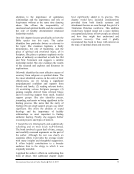
After leaving, however, almost all participants
experienced marriage or relationship difficulties
in terms of superior/subordinate relationships.
They found they needed to redefine their roles in
marriage, and most considered the possibility of
ending marriages that were created in the cult.
Counselors can work with clients by assessing
patriarchy and gender roles their clients
experienced in the cult and help educate their
clients regarding manipulation and control
techniques of the cult. The counseling
relationship itself can serve as an example of
egalitarian roles, and as a way of assessing
power dynamics in relationships. Subjugation
and manipulation techniques utilized in the cult
may have contributed to former members’
feelings of low self-esteem, powerlessness, and
worthlessness (Dahlen, 1997).
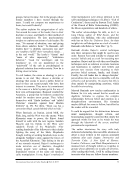
Theme 2: Obedience to Authority
Throughout their time in the cult, participants
were forced to unquestioningly submit to
authority. Cultic groups foster “dependency by
focusing on submission and obedience to those
in authority” (McCabe et al., 2007, p. 1). One
participant explained how she was taught from
birth that the leader was the only one who spoke
for God and had final say over activities,
doctrines, and daily living. Another related,
“The will of God was dictated to you by the
leader… He alone had the authority to forgive
people of their sins.” Those who did question
authority were subjected to humiliation,
shaming, and possible abuse, such as being
yelled at, shamed in public or private, called out
from the pulpit, and even spanked in public. One
former member described how a cult leader
came up and started yelling at her in front of a
crowd of people, saying, “‘You’re a horrible
little girl.’ I had no idea what he was talking
about. That was normal.” Another participant
related,
I didn’t know what I was submitting and
obeying to because I never saw behind
the scenes. It’s kind of like Wizard of
Oz. That’s what I tell people. My
experience was like Wizard of Oz. Not
until you get behind the curtain do you
really know what’s happening. And the
minute that I saw what was really
happening [chuckles], “No, this is not
what I signed up for.”
Some participants left because they did not agree
with the authority figures or the means they used
to control. Participants related that today they
have difficulty trusting authority figures. For
most, if someone in authority tells them to do
something, their initial reaction is to rebel.
Counselors can help clients do an analysis of
power in relationships, such as client/counselor
played into participants’ experiences of being in
the cult, deciding to leave, leaving, and living
outside the cult.
Theme 1: Patriarchy and Gender Roles
Not all cults utilize patriarchy and rigid gender
roles as a means of control and structure. Some
researchers have noted that religious cults tend
to follow a patriarchal structure in both church
and home (Boeri, 2002 Jacobs, 1991 Lalich &
Tobias, 2006). Similar to those observations, all
participants in this study experienced patriarchal
cults that utilized rigid gender roles as a method
of control in both family and church.
Participants described the subjugation of women
and domination by men in their religious cults.
Several participants chose to leave their groups
because they were not happy with the rigid
gender roles or patriarchy.
One participant described being pulled over by
male members of her community for being too
loud, unladylike, or strongly opinionated. The
one male participant discussed how he was
taught to humiliate other members if they were
not obeying church leaders, or to call out wives
if they were not submitting themselves to their
husbands. One participant stated, “I got married,
we had kids, and we had four kids. I was the
perfect wife, mother, homemaker … You’re
going to become dependent. And not question it
… And I wasn’t happy.” Another stated, “What
made me leave was that he told me I wasn’t
allowed to have any kind of career or work. My
job was to have his babies.” Several participants
discussed how they chose to leave because they
were not happy in the gender-restricted role, and
how they were not happy in what the cult
allowed for women.
After leaving, however, almost all participants
experienced marriage or relationship difficulties
in terms of superior/subordinate relationships.
They found they needed to redefine their roles in
marriage, and most considered the possibility of
ending marriages that were created in the cult.
Counselors can work with clients by assessing
patriarchy and gender roles their clients
experienced in the cult and help educate their
clients regarding manipulation and control
techniques of the cult. The counseling
relationship itself can serve as an example of
egalitarian roles, and as a way of assessing
power dynamics in relationships. Subjugation
and manipulation techniques utilized in the cult
may have contributed to former members’
feelings of low self-esteem, powerlessness, and
worthlessness (Dahlen, 1997).
Theme 2: Obedience to Authority
Throughout their time in the cult, participants
were forced to unquestioningly submit to
authority. Cultic groups foster “dependency by
focusing on submission and obedience to those
in authority” (McCabe et al., 2007, p. 1). One
participant explained how she was taught from
birth that the leader was the only one who spoke
for God and had final say over activities,
doctrines, and daily living. Another related,
“The will of God was dictated to you by the
leader… He alone had the authority to forgive
people of their sins.” Those who did question
authority were subjected to humiliation,
shaming, and possible abuse, such as being
yelled at, shamed in public or private, called out
from the pulpit, and even spanked in public. One
former member described how a cult leader
came up and started yelling at her in front of a
crowd of people, saying, “‘You’re a horrible
little girl.’ I had no idea what he was talking
about. That was normal.” Another participant
related,
I didn’t know what I was submitting and
obeying to because I never saw behind
the scenes. It’s kind of like Wizard of
Oz. That’s what I tell people. My
experience was like Wizard of Oz. Not
until you get behind the curtain do you
really know what’s happening. And the
minute that I saw what was really
happening [chuckles], “No, this is not
what I signed up for.”
Some participants left because they did not agree
with the authority figures or the means they used
to control. Participants related that today they
have difficulty trusting authority figures. For
most, if someone in authority tells them to do
something, their initial reaction is to rebel.
Counselors can help clients do an analysis of
power in relationships, such as client/counselor