Cultic Studies Journal, Vol. 8, No. 1, 1991, Page 15
New York Board of Rabbis), the Queens Federation of Churches, the Roman Catholic
Archdiocese of New York, the Roman Catholic Diocese of Brooklyn, and the Council of
Churches of the City of New York.86 In 1986 religious leaders in Miami, Florida established
an interfaith council there.87
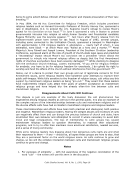
Although most Jewish leaders feel more must be done, the Jewish community has been
actively trying to meet the challenge of cults through educational and counseling efforts.
The Jewish Community Relations Council of New York City sponsors a Task Force on
Missionaries and Cults. It is a major resource center, convenes conferences on cults for the
Jewish community at large, rabbis, college administrators, guidance counselors, parents of
cult members, mental health professionals, and Hillel workers, and helps educate the Israeli
public, government, and press about the cult problem there. The Jewish Board of Family
and Children‟s Services in New York City and the JCRC Task Force co-sponsor a twenty-four
hour Cult Hotline and Crisis Clinic offering counseling by trained mental health professionals
to both Jewish and non-Jewish past and present cult members and their families.88 The
Union of American Hebrew Congregations established a National Committee on Cults and
Missionaries89, and the Central Conference of American Rabbis prepared a study kit for
rabbis.90
In Philadelphia the JCRC sponsors a cult task force, and the Federation of Jewish
Philanthropies funds a Jewish Campus Activities Board. The Commission on Cults and
Missionary Efforts of the Jewish Federation Council of Greater Los Angeles has presented a
series of national seminars to discuss cults and the legal system. The Greater Miami Jewish
Federation‟s Committee on Cults and Missionaries has developed a widely-used high school
cult curriculum. The Columbus, Ohio Federation funds The Leo Yaffenoff Jewish Center, and
the JCRC there sponsors a Task Force and Missionary Committee. In Baltimore, the Jewish
Federation and the Jewish Community Center sponsored Project Yedid. Jews for Judaism is
located in Baltimore, Los Angeles, Harrisburg, Pennsylvania, and Israel. There is a Jews for
Judaism in Miami (separate from the above-mentioned group of the same name), the
Jewish Family Institute in Brooklyn, the B‟nai B‟rith-sponsored Cult project in Montreal,
Canada, The Jewish Center in Balaclava, Victoria, Australia, Concerned Parents Against Cults
in Haifa, and Yad L‟Achim in Jerusalem.91 The Israeli Minister of Education appointed an
Intergovernmental Committee on Cult Activities, the summary report of which has been
published in Vol. 6, No. 1 (1989) of this journal.
In 1985 a conference of Catholic Bishops in Japan issued a statement that the Unification
Church is not a Christian organization and warned Catholics there not to participate in its
activities.92 In the United States for many years only a handful of priests and Catholic lay
people expressed concern about cults, and just a few cult-education curricula were
produced by individual priests.93 Although the Roman Catholic Archdiocese of New York and
the Roman Catholic Diocese of Brooklyn did join the Interfaith Coalition of Concern about
Cults, official Vatican sanction for these counter-cult activities came only with the release of
the May, 1986 Vatican Report on Cults. While Catholic counter-cultists strongly welcome
the Vatican report, they maintain that since many Vatican statements go unread and since
today so many Catholics question the authority of the Pope on every issue, the report has
not yet awakened many Catholics to the cult problem.94
To date the liberal Protestant community has done little officially to respond to cults. Dean
Kelley says that when he tried to organize a project about six years ago to develop dialogue
between cult members and their families, it “never got off the ground because of opposition
from some National Council of Churches members who felt such a program would dignify
cults. And they felt these issues could best be handled by the various denominations.”95
Kelley also points out that since the NCC has a strong civil libertarian stance, it opposes the
adjudication of cult-related cases in law courts.96
New York Board of Rabbis), the Queens Federation of Churches, the Roman Catholic
Archdiocese of New York, the Roman Catholic Diocese of Brooklyn, and the Council of
Churches of the City of New York.86 In 1986 religious leaders in Miami, Florida established
an interfaith council there.87
Although most Jewish leaders feel more must be done, the Jewish community has been
actively trying to meet the challenge of cults through educational and counseling efforts.
The Jewish Community Relations Council of New York City sponsors a Task Force on
Missionaries and Cults. It is a major resource center, convenes conferences on cults for the
Jewish community at large, rabbis, college administrators, guidance counselors, parents of
cult members, mental health professionals, and Hillel workers, and helps educate the Israeli
public, government, and press about the cult problem there. The Jewish Board of Family
and Children‟s Services in New York City and the JCRC Task Force co-sponsor a twenty-four
hour Cult Hotline and Crisis Clinic offering counseling by trained mental health professionals
to both Jewish and non-Jewish past and present cult members and their families.88 The
Union of American Hebrew Congregations established a National Committee on Cults and
Missionaries89, and the Central Conference of American Rabbis prepared a study kit for
rabbis.90
In Philadelphia the JCRC sponsors a cult task force, and the Federation of Jewish
Philanthropies funds a Jewish Campus Activities Board. The Commission on Cults and
Missionary Efforts of the Jewish Federation Council of Greater Los Angeles has presented a
series of national seminars to discuss cults and the legal system. The Greater Miami Jewish
Federation‟s Committee on Cults and Missionaries has developed a widely-used high school
cult curriculum. The Columbus, Ohio Federation funds The Leo Yaffenoff Jewish Center, and
the JCRC there sponsors a Task Force and Missionary Committee. In Baltimore, the Jewish
Federation and the Jewish Community Center sponsored Project Yedid. Jews for Judaism is
located in Baltimore, Los Angeles, Harrisburg, Pennsylvania, and Israel. There is a Jews for
Judaism in Miami (separate from the above-mentioned group of the same name), the
Jewish Family Institute in Brooklyn, the B‟nai B‟rith-sponsored Cult project in Montreal,
Canada, The Jewish Center in Balaclava, Victoria, Australia, Concerned Parents Against Cults
in Haifa, and Yad L‟Achim in Jerusalem.91 The Israeli Minister of Education appointed an
Intergovernmental Committee on Cult Activities, the summary report of which has been
published in Vol. 6, No. 1 (1989) of this journal.
In 1985 a conference of Catholic Bishops in Japan issued a statement that the Unification
Church is not a Christian organization and warned Catholics there not to participate in its
activities.92 In the United States for many years only a handful of priests and Catholic lay
people expressed concern about cults, and just a few cult-education curricula were
produced by individual priests.93 Although the Roman Catholic Archdiocese of New York and
the Roman Catholic Diocese of Brooklyn did join the Interfaith Coalition of Concern about
Cults, official Vatican sanction for these counter-cult activities came only with the release of
the May, 1986 Vatican Report on Cults. While Catholic counter-cultists strongly welcome
the Vatican report, they maintain that since many Vatican statements go unread and since
today so many Catholics question the authority of the Pope on every issue, the report has
not yet awakened many Catholics to the cult problem.94
To date the liberal Protestant community has done little officially to respond to cults. Dean
Kelley says that when he tried to organize a project about six years ago to develop dialogue
between cult members and their families, it “never got off the ground because of opposition
from some National Council of Churches members who felt such a program would dignify
cults. And they felt these issues could best be handled by the various denominations.”95
Kelley also points out that since the NCC has a strong civil libertarian stance, it opposes the
adjudication of cult-related cases in law courts.96