VOLUME 9 |ISSUE 3 |2018 279
Biblioigraphy
Bowlby, J. (1999). Attachment. (Attachment and loss,
v.1). New York, NY: Basic Books.
Brown, F. (2018). Medium (personal blog).
Accessible online at https://medium.com/@
fleurbrown/i-grew-up-in-a-cult-918ca0962566
Erickson, E. H. (1950). Childhood and society. New
York, NY: W.W. Norton.
Knapp, P. (1998). Nothing need go to waste. Cultic
Studies Journal, 15(2), 120–129. Retrieved
online at http://docs.wixstatic.com/
ugd/79a2a8_2adfcbe486e04afe99614945934c9aff.
pdf
Langone, M. (1992). Psychological abuse. Cultic
Studies Journal, 9(2), 206–218.
Langone, M. (2016). Origins and prevention of
abuse in religious groups. ICSA Today, Vol. 7, No. 3,
11–13.
Madanes, C. (1982). Strategic family therapy. Buenos
Aires: Amorrortu editores.
Minuchín, S., &Fishman, H. C. (1981). Family therapy
techniques. Cambridge, MA: Harvard University
Press.
Norwood, R (1986). The women who love too much.
London, UK: Arrow Books.
Satir, V. (1976). The new people making. Palo Alto,
CA: Science and Behavior Books.
Sirkin, M. I. (1990). Cult involvement: A systems
approach to assessment and treatment.
Psychotherapy: Theory, Research, Practice, Training,
27(1), 116–123. Available online at https://www.
culteducation.com/brainwashing71.html
Acknowledgments
I wish to acknowledge Patrick Knapp’s help in both
inspiring the thoughts in this article and helping
me with their development. After reading his
paper Nothing Need Go to Waste, in which he claims
that his dysfunctional family of origin played a role
in his enrollment in a cult for more than thirteen
years, I shared my ideas with him, and he shared
his with me.
About the Author
Jose Fernández Aguado is a
psychologist at PEHUÉN Psicologia
y Formación, in Barcelona
(pehuenpsicologia.com). He has
been a couples and family therapist
for nearly twenty years. You can
reach him by email at jfernandez@
pehuenpsicologia.com n
o “I will [paradoxically] communicate that you
should reject me because I am unworthy, volatile,
and untrustworthy.”
Integration: The Alternative to Dysfunction
One way to describe the opposite of dysfunction is integration.
Integration is a healthy relationship between different parts of the
self, different members within the family or group, or different
people belonging to different families or groups. Integration implies
differentiation but not disconnection between the related elements.
Instead, there are contact and harmony between the elements,
which retain their individuality but strengthen the whole.
It is not the purpose of this paper to suggest how people in
dysfunctional families or cults may learn to relate to people in a
healthy way however, a suggestion can be made through the image
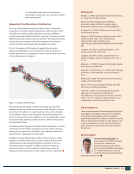
of a knotted rope, as in Figure 3.
Figure 3. Image of knotted rope.
The colored strands visible on either end of this rope are held
together by the knot. Each strand retains its full color but is only in
proximity to the others no single strand can rely on the strength
of its neighbor. They are not integrated. The strands between the
knots, in contrast, are woven together in such a way that their colors
are all still visible, but they combine to form a whole stronger than
the individual strands.
Something similar happens in healthy families and groups, in which
individuals are the threads working in harmony with the family or
group, which respects the individual’s color, while the individuals
gain from their integration into the whole.
Integration means differentiation without disconnection—what
happens in healthy relationships. On the contrary, dysfunctional
relationships are characterized by the basic polarity of those in
the relationship being either undifferentiated (enmeshed) or
disconnected. It is as if the members had only two modes for
relating to others they have no other options in their repertoire. n
Biblioigraphy
Bowlby, J. (1999). Attachment. (Attachment and loss,
v.1). New York, NY: Basic Books.
Brown, F. (2018). Medium (personal blog).
Accessible online at https://medium.com/@
fleurbrown/i-grew-up-in-a-cult-918ca0962566
Erickson, E. H. (1950). Childhood and society. New
York, NY: W.W. Norton.
Knapp, P. (1998). Nothing need go to waste. Cultic
Studies Journal, 15(2), 120–129. Retrieved
online at http://docs.wixstatic.com/
ugd/79a2a8_2adfcbe486e04afe99614945934c9aff.
Langone, M. (1992). Psychological abuse. Cultic
Studies Journal, 9(2), 206–218.
Langone, M. (2016). Origins and prevention of
abuse in religious groups. ICSA Today, Vol. 7, No. 3,
11–13.
Madanes, C. (1982). Strategic family therapy. Buenos
Aires: Amorrortu editores.
Minuchín, S., &Fishman, H. C. (1981). Family therapy
techniques. Cambridge, MA: Harvard University
Press.
Norwood, R (1986). The women who love too much.
London, UK: Arrow Books.
Satir, V. (1976). The new people making. Palo Alto,
CA: Science and Behavior Books.
Sirkin, M. I. (1990). Cult involvement: A systems
approach to assessment and treatment.
Psychotherapy: Theory, Research, Practice, Training,
27(1), 116–123. Available online at https://www.
culteducation.com/brainwashing71.html
Acknowledgments
I wish to acknowledge Patrick Knapp’s help in both
inspiring the thoughts in this article and helping
me with their development. After reading his
paper Nothing Need Go to Waste, in which he claims
that his dysfunctional family of origin played a role
in his enrollment in a cult for more than thirteen
years, I shared my ideas with him, and he shared
his with me.
About the Author
Jose Fernández Aguado is a
psychologist at PEHUÉN Psicologia
y Formación, in Barcelona
(pehuenpsicologia.com). He has
been a couples and family therapist
for nearly twenty years. You can
reach him by email at jfernandez@
pehuenpsicologia.com n
o “I will [paradoxically] communicate that you
should reject me because I am unworthy, volatile,
and untrustworthy.”
Integration: The Alternative to Dysfunction
One way to describe the opposite of dysfunction is integration.
Integration is a healthy relationship between different parts of the
self, different members within the family or group, or different
people belonging to different families or groups. Integration implies
differentiation but not disconnection between the related elements.
Instead, there are contact and harmony between the elements,
which retain their individuality but strengthen the whole.
It is not the purpose of this paper to suggest how people in
dysfunctional families or cults may learn to relate to people in a
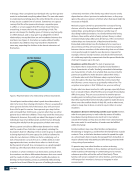
healthy way however, a suggestion can be made through the image
of a knotted rope, as in Figure 3.
Figure 3. Image of knotted rope.
The colored strands visible on either end of this rope are held
together by the knot. Each strand retains its full color but is only in
proximity to the others no single strand can rely on the strength
of its neighbor. They are not integrated. The strands between the
knots, in contrast, are woven together in such a way that their colors
are all still visible, but they combine to form a whole stronger than
the individual strands.
Something similar happens in healthy families and groups, in which
individuals are the threads working in harmony with the family or
group, which respects the individual’s color, while the individuals
gain from their integration into the whole.
Integration means differentiation without disconnection—what
happens in healthy relationships. On the contrary, dysfunctional
relationships are characterized by the basic polarity of those in
the relationship being either undifferentiated (enmeshed) or
disconnected. It is as if the members had only two modes for
relating to others they have no other options in their repertoire. n