6 ICSA TODAY
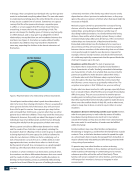
In therapy, I hear complaints by individuals who say their partner
wants to understand everything about them. The one who wants
to understand everything about the other thinks this is love, but
it may also be a subtle form of control. Sometimes one spouse
conveys that the other spouse who keeps a separate space
is selfish, or a man suggests that if his lover doesn’t disclose
everything, it means the lover has something to hide. The
person who keeps this healthy space of intimacy may feel guilty
or selfish doing it, and so may give it up altogether. In these
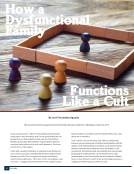
relationships, we say that there are no boundaries between the
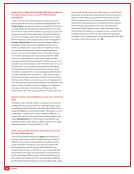
members (see Figure 2). And when a couple without healthy
boundaries has children, they may treat their children the
same way, expecting the children to be almost extensions of
themselves.
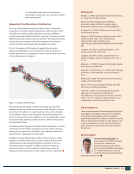
Figure 2. Representation of a relationship without boundaries.
I should point out here that, when I speak about boundaries, I
refer to far more than sharing information. There is a saying that
when parents feel the chill of the breeze, they will command
their child to put his coat on. Some parents go a step further
and command their child to put a coat on when they see other
parents do so with their children. These may seem like innocuous
statements however, they really are about the degree to which
individuals may in fact dehumanize another human being by
viewing him wholly from the perspective of their own needs.
When a parent isn’t able to differentiate between her needs
and the needs of her child, she is quite plainly violating the
boundaries that her offspring needs in order to grow. In addition
to being deprived of his own space, the child isn’t allowed to
make his own decisions. While one factor underlying such a
lack of boundaries is a lack of trust in a child’s ability to make
appropriate decisions, another factor often is a lack of trust
by the parent in herself. As a consequence, as a psychoanalyst
would say, she will project that insecurity onto her child.
In families in which members trust themselves and each other,
the members are able to differentiate between their own needs
and the needs of others, which allows healthy boundaries to
develop. In these families, privacy is permitted without being
regarded as a threat. When this process of building boundaries
is thwarted, members of the family may either become overly
dependent on others’ opinions to make decisions, or they may
ignore the advice or opinions of others when that input might be
necessary or helpful.
Michael Langone (2016) has presented the concept of loving
distance, which he has explained is fundamental to respectful
relationships. Loving distance I believe is anther way of
describing healthy boundaries. In a family without this loving
distance, there will be what in family systems theory is called
enmeshed relationships (Minuchin &Fishman, 1981). Enmeshed
relationships are characteristic of dysfunctional families.
Enmeshed relationships have the tendency to be coercive or
abusive because they are based upon the shared assumption
between the two members of the relationship that one of them
is not good enough to make his own decisions. A parent, for
example, who too closely monitors and checks the homework
of a child may implicitly communicate that the parent thinks the
child can’t measure up on his own.
Boundaries within the cult. The lack of appropriate
boundaries that is characteristic of dysfunctional families is
also a characteristic of cults. Similarly, enmeshed relationships
are characteristic of cults. As in a family that assumes only the
parents are qualified to make decisions about their child, a
cult leader who insists that followers obey a myriad of minor
rules throughout the day may implicitly communicate that
the followers cannot measure up spiritually without him. The
unspoken assumption is that “Without me, you are nothing.”
People who have been involved in cultic groups, especially those
born or raised in them, often find the very concept of boundaries
difficult to grasp. They are so accustomed to another person
invading and controlling their emotional and psychological lives
that they may find themselves literally unable to make decisions
about even the smallest details of daily life, such as what to eat,
when to sleep, how to dress, or what to say to others in social
situations.
Boundaries between the family and the outer world. Families
who do not grant privacy to each other by means of healthy
boundaries (loving distance) also tend not to trust what is
outside their family so they also are often more closed toward
the outer world. In such families, all needs must be fulfilled
within the family.
Family members may view other families and people as
threatening or dangerous, and therefore the family limits outside
contacts. Thus, a child who has been invited to spend the night
at a schoolmate’s home may be discouraged from doing that, or
may be allowed only reluctantly and after being presented with
a long string of precautions.
Or parents may view other families as useless or boring.
Consequently, the children in these families will tend to see the
world outside as threatening or uninteresting and so remain,
whenever possible, within the walls of their family. These
families will remain isolated from other families, and therefore
will hamper their members’ chances to integrate in other
environments.
In therapy, I hear complaints by individuals who say their partner
wants to understand everything about them. The one who wants
to understand everything about the other thinks this is love, but
it may also be a subtle form of control. Sometimes one spouse
conveys that the other spouse who keeps a separate space
is selfish, or a man suggests that if his lover doesn’t disclose
everything, it means the lover has something to hide. The
person who keeps this healthy space of intimacy may feel guilty
or selfish doing it, and so may give it up altogether. In these
relationships, we say that there are no boundaries between the
members (see Figure 2). And when a couple without healthy
boundaries has children, they may treat their children the
same way, expecting the children to be almost extensions of
themselves.
Figure 2. Representation of a relationship without boundaries.
I should point out here that, when I speak about boundaries, I
refer to far more than sharing information. There is a saying that
when parents feel the chill of the breeze, they will command
their child to put his coat on. Some parents go a step further
and command their child to put a coat on when they see other
parents do so with their children. These may seem like innocuous
statements however, they really are about the degree to which
individuals may in fact dehumanize another human being by
viewing him wholly from the perspective of their own needs.
When a parent isn’t able to differentiate between her needs
and the needs of her child, she is quite plainly violating the
boundaries that her offspring needs in order to grow. In addition
to being deprived of his own space, the child isn’t allowed to
make his own decisions. While one factor underlying such a
lack of boundaries is a lack of trust in a child’s ability to make
appropriate decisions, another factor often is a lack of trust
by the parent in herself. As a consequence, as a psychoanalyst
would say, she will project that insecurity onto her child.
In families in which members trust themselves and each other,
the members are able to differentiate between their own needs
and the needs of others, which allows healthy boundaries to
develop. In these families, privacy is permitted without being
regarded as a threat. When this process of building boundaries
is thwarted, members of the family may either become overly
dependent on others’ opinions to make decisions, or they may
ignore the advice or opinions of others when that input might be
necessary or helpful.
Michael Langone (2016) has presented the concept of loving
distance, which he has explained is fundamental to respectful
relationships. Loving distance I believe is anther way of
describing healthy boundaries. In a family without this loving
distance, there will be what in family systems theory is called
enmeshed relationships (Minuchin &Fishman, 1981). Enmeshed
relationships are characteristic of dysfunctional families.
Enmeshed relationships have the tendency to be coercive or
abusive because they are based upon the shared assumption
between the two members of the relationship that one of them
is not good enough to make his own decisions. A parent, for
example, who too closely monitors and checks the homework
of a child may implicitly communicate that the parent thinks the
child can’t measure up on his own.
Boundaries within the cult. The lack of appropriate
boundaries that is characteristic of dysfunctional families is
also a characteristic of cults. Similarly, enmeshed relationships
are characteristic of cults. As in a family that assumes only the
parents are qualified to make decisions about their child, a
cult leader who insists that followers obey a myriad of minor
rules throughout the day may implicitly communicate that
the followers cannot measure up spiritually without him. The
unspoken assumption is that “Without me, you are nothing.”
People who have been involved in cultic groups, especially those
born or raised in them, often find the very concept of boundaries
difficult to grasp. They are so accustomed to another person
invading and controlling their emotional and psychological lives
that they may find themselves literally unable to make decisions
about even the smallest details of daily life, such as what to eat,
when to sleep, how to dress, or what to say to others in social
situations.
Boundaries between the family and the outer world. Families
who do not grant privacy to each other by means of healthy
boundaries (loving distance) also tend not to trust what is
outside their family so they also are often more closed toward
the outer world. In such families, all needs must be fulfilled
within the family.
Family members may view other families and people as
threatening or dangerous, and therefore the family limits outside
contacts. Thus, a child who has been invited to spend the night
at a schoolmate’s home may be discouraged from doing that, or
may be allowed only reluctantly and after being presented with
a long string of precautions.
Or parents may view other families as useless or boring.
Consequently, the children in these families will tend to see the
world outside as threatening or uninteresting and so remain,
whenever possible, within the walls of their family. These
families will remain isolated from other families, and therefore
will hamper their members’ chances to integrate in other
environments.