Breaking the Silence on
Spiritual Abuse
By Lisa Oakley and Kathryn Kinmond
Palgrave Macmillan, 2013. ISBN-10: 113728286X ISBN-13:
9781137282866 (hardcover). £50.00 (Amazon.com.uk) $85.31
(Amazon.com). 160 pages (UK) 142 pages (US).
Reviewed by Gillie Jenkinson
This book addresses the void in knowledge about spiritual
abuse (SA) and, in particular, SA in the mainstream UK Christian
Church. The book provides the reader with a theoretical
understanding of SA and addresses the needs of survivors of
SA. The chapter on Working With Individuals Who Have Been
Spiritually Abused (Chapter 5) also gives some salient and
helpful pointers and insights for clinical work.
The strength of this book is that it draws on both research
and clinical experience. It is informative for counsellors and
pastoral counsellors, and also for Church workers and those
who provide pastoral care. Survivors of SA could approach any
counsellor, and the counsellors they approach need to know
something about SA in the mainstream Christian Church. This
book provides a helpful and informative overview of the area.
That the authors have had to emphasize that SA is abuse is
symptomatic of the systemic denial of this kind of abuse, thus
making this book even more important to those who study
these areas.
The chapters cover the following subjects:
• What Is Spiritual Abuse? (Chapter 1)
• What Does Spiritual Abuse Look Like? (Chapter 2)
• Spiritual Abuse Is Abuse (Chapter 3)
• The Process of Spiritual Abuse (Chapter 4)
• Working With Individuals Who Have Been Spiritually
Abused (Chapter 5)
• Working With Spiritual Abuse: Professional and
Personal Issues (Chapter 6) and
• Looking Forward (Chapter 7).
The authors set out three categories that survivors of SA may
fall into. The first category includes survivors whose religion
and spirituality remain core to self and identity and so they
relocate their affiliation the second category includes those
whose religion and spirituality remain fundamental but the
survivors completely dissociate from any organization and the
third category includes those persons for whom “the experience
will leave the meaning [of religion and spirituality] … so barbed
that they reject vociferously any possible association with
organised religion…” (p. 98). The authors note that survivors in
the latter category are the most challenging to work with and
are perhaps the ones who would particularly benefit from their
counsellors having read this book.
I was disappointed that this short book was so expensive
because many potential readers may feel it is not worth the
investment. I suggest that the publishers consider a cheaper
version so it is more accessible, and so that the voices of
survivors of SA are heard and their needs attended to more
accurately n
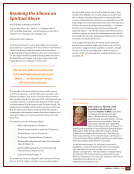
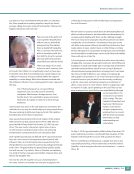
About the Reviewer
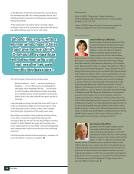
Gillie Jenkinson, PhD, MA, UKCP-
accredited psychotherapist, and
registered member of BACP, specializes
in working with spiritual and cultic
abuse, offering postcult counselling,
psychotherapy, group facilitation, training,
supervision, and consultancy. She is an
international speaker and a published
author, including coauthor of Chapter 13,
Pathological Spirituality, in Spirituality and Psychiatry, RPsych
Publications, 2009. She has authored a chapter entitled
“Relational Psychoeducational Intensive—Time Away for
Postcult Counselling” in the new ICSA book, Cult Recovery: A
Clinician’s Guide to Working With Former Members and Families.
She is the mental health editor for ICSA Today.
For her doctoral research, Dr. Jenkinson conducted a
qualitative, constructivist, grounded-theory investigation
into what helps former cult members recover from an
abusive cult experience. Her dissertation is entitled Freeing
the Authentic Self: Phases of Recovery and Growth From an
Abusive Cult Experience. To contact Dr. Jenkinson, email info@
hopevalleycounselling.com or visit
hopevalleycounselling.com n
This book addresses the void
in knowledge about spiritual
abuse … in the mainstream
UK Christian Church.
25 VOLUME 9 |ISSUE 3 |2018
Spiritual Abuse
By Lisa Oakley and Kathryn Kinmond
Palgrave Macmillan, 2013. ISBN-10: 113728286X ISBN-13:
9781137282866 (hardcover). £50.00 (Amazon.com.uk) $85.31
(Amazon.com). 160 pages (UK) 142 pages (US).
Reviewed by Gillie Jenkinson
This book addresses the void in knowledge about spiritual
abuse (SA) and, in particular, SA in the mainstream UK Christian
Church. The book provides the reader with a theoretical
understanding of SA and addresses the needs of survivors of
SA. The chapter on Working With Individuals Who Have Been
Spiritually Abused (Chapter 5) also gives some salient and
helpful pointers and insights for clinical work.
The strength of this book is that it draws on both research
and clinical experience. It is informative for counsellors and
pastoral counsellors, and also for Church workers and those
who provide pastoral care. Survivors of SA could approach any
counsellor, and the counsellors they approach need to know
something about SA in the mainstream Christian Church. This
book provides a helpful and informative overview of the area.
That the authors have had to emphasize that SA is abuse is
symptomatic of the systemic denial of this kind of abuse, thus
making this book even more important to those who study
these areas.
The chapters cover the following subjects:
• What Is Spiritual Abuse? (Chapter 1)
• What Does Spiritual Abuse Look Like? (Chapter 2)
• Spiritual Abuse Is Abuse (Chapter 3)
• The Process of Spiritual Abuse (Chapter 4)
• Working With Individuals Who Have Been Spiritually
Abused (Chapter 5)
• Working With Spiritual Abuse: Professional and
Personal Issues (Chapter 6) and
• Looking Forward (Chapter 7).
The authors set out three categories that survivors of SA may
fall into. The first category includes survivors whose religion
and spirituality remain core to self and identity and so they
relocate their affiliation the second category includes those
whose religion and spirituality remain fundamental but the
survivors completely dissociate from any organization and the
third category includes those persons for whom “the experience
will leave the meaning [of religion and spirituality] … so barbed
that they reject vociferously any possible association with
organised religion…” (p. 98). The authors note that survivors in
the latter category are the most challenging to work with and
are perhaps the ones who would particularly benefit from their
counsellors having read this book.
I was disappointed that this short book was so expensive
because many potential readers may feel it is not worth the
investment. I suggest that the publishers consider a cheaper
version so it is more accessible, and so that the voices of
survivors of SA are heard and their needs attended to more
accurately n
About the Reviewer
Gillie Jenkinson, PhD, MA, UKCP-
accredited psychotherapist, and
registered member of BACP, specializes
in working with spiritual and cultic
abuse, offering postcult counselling,
psychotherapy, group facilitation, training,
supervision, and consultancy. She is an
international speaker and a published
author, including coauthor of Chapter 13,
Pathological Spirituality, in Spirituality and Psychiatry, RPsych
Publications, 2009. She has authored a chapter entitled
“Relational Psychoeducational Intensive—Time Away for
Postcult Counselling” in the new ICSA book, Cult Recovery: A
Clinician’s Guide to Working With Former Members and Families.
She is the mental health editor for ICSA Today.
For her doctoral research, Dr. Jenkinson conducted a
qualitative, constructivist, grounded-theory investigation
into what helps former cult members recover from an
abusive cult experience. Her dissertation is entitled Freeing
the Authentic Self: Phases of Recovery and Growth From an
Abusive Cult Experience. To contact Dr. Jenkinson, email info@
hopevalleycounselling.com or visit
hopevalleycounselling.com n
This book addresses the void
in knowledge about spiritual
abuse … in the mainstream
UK Christian Church.
25 VOLUME 9 |ISSUE 3 |2018