20
About the Reviewer
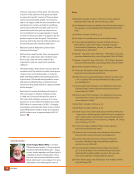
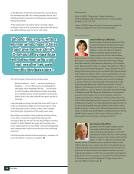
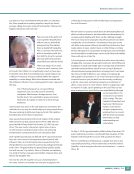
Doug Duncan, MS, LPC, was a member of
an aberrant religious group for more than
twenty years. After defying the cult leader
and marrying Wendy, they eventually left the
cult and Doug began the task of rebuilding
his life. He enrolled in a master’s program in
counseling and earned a degree and license
to practice therapy. After working on their
cult recovery issues by reading all the available cult literature,
attending conferences, and becoming involved with ICSA, Doug
and Wendy started a ministry to increase others’ awareness
and understanding of cults. They are frequent presenters at
churches, civic groups, and conferences, and also facilitators of
a support group for former members of cults and high-demand
groups. Additionally, Doug offers individual counseling to
former members. n
there is a potential downside to all of this when our communal or
cultural stories are maladaptive.
If we become a part of a cult, for example, we may think in ways
that make perfect sense given the perspective and dynamics
of the group, but that are actually hurtful to ourselves and to
society at large. The authors do acknowledge this dynamic as a
possibility, but they do not spend a great deal of time on it. They
say that they are
…not championing faith in whatever a community
believes or whatever a credentialed expert says. Along
with faith must come a healthy dose of skepticism
and a keen eye for charlatans and for those who are
confidently wrong. When your community gives you
bad advice, it’s your responsibility not to take it. (p. 260)
However, the authors’ take on all of this is mostly positive, but
somewhat naïve. They say that “…most of us have the freedom to
choose communities that do their best to avoid false statements
and lies.” I suspect they do not know a lot of people who were
born or raised in groups, or even first-generation former cult
members. Nevertheless, the overall thesis of the book is well-
taken and I think largely established. We think as part of a group
most of the time. Even those of us who like to believe that we
think for ourselves still are very dependent on others for almost
all of our information. We understand less than we think we do,
and we need to have the humility to recognize our limits. Still,
there is a dark side to all of this that the authors recognize, but do
not really explore.
I would recommend the book as a thought-provoking,
engaging read. For me, one result of reading it is that I am a
little more understanding and forgiving of myself for engaging
in groupthink while I was in my former cult. It would have been
difficult to have done anything else. n
“Thinking evolved as an
extension of the ability to act
effectively it evolved to make
us better at doing what is
necessary to achieve our goals.”
ICSA TODAY
Moving On:
About the Reviewer
Doug Duncan, MS, LPC, was a member of
an aberrant religious group for more than
twenty years. After defying the cult leader
and marrying Wendy, they eventually left the
cult and Doug began the task of rebuilding
his life. He enrolled in a master’s program in
counseling and earned a degree and license
to practice therapy. After working on their
cult recovery issues by reading all the available cult literature,
attending conferences, and becoming involved with ICSA, Doug
and Wendy started a ministry to increase others’ awareness
and understanding of cults. They are frequent presenters at
churches, civic groups, and conferences, and also facilitators of
a support group for former members of cults and high-demand
groups. Additionally, Doug offers individual counseling to
former members. n
there is a potential downside to all of this when our communal or
cultural stories are maladaptive.
If we become a part of a cult, for example, we may think in ways
that make perfect sense given the perspective and dynamics
of the group, but that are actually hurtful to ourselves and to
society at large. The authors do acknowledge this dynamic as a
possibility, but they do not spend a great deal of time on it. They
say that they are
…not championing faith in whatever a community
believes or whatever a credentialed expert says. Along
with faith must come a healthy dose of skepticism
and a keen eye for charlatans and for those who are
confidently wrong. When your community gives you
bad advice, it’s your responsibility not to take it. (p. 260)
However, the authors’ take on all of this is mostly positive, but
somewhat naïve. They say that “…most of us have the freedom to
choose communities that do their best to avoid false statements
and lies.” I suspect they do not know a lot of people who were
born or raised in groups, or even first-generation former cult
members. Nevertheless, the overall thesis of the book is well-
taken and I think largely established. We think as part of a group
most of the time. Even those of us who like to believe that we
think for ourselves still are very dependent on others for almost
all of our information. We understand less than we think we do,
and we need to have the humility to recognize our limits. Still,
there is a dark side to all of this that the authors recognize, but do
not really explore.
I would recommend the book as a thought-provoking,
engaging read. For me, one result of reading it is that I am a
little more understanding and forgiving of myself for engaging
in groupthink while I was in my former cult. It would have been
difficult to have done anything else. n
“Thinking evolved as an
extension of the ability to act
effectively it evolved to make
us better at doing what is
necessary to achieve our goals.”
ICSA TODAY
Moving On: