The Puja
The puja is the very heart of TM instruction. Every TM student
participates in the puja it is inviolable. A search of the Kindle
version of his book revealed that Roth doesn’t mention the word
puja in his book. This is how he describes the ceremony:
Prior to the instruction, your teacher will perform
a simple thank-you ceremony—an ancient way of
expressing gratitude to the teacher. It’s a lovely cultural
tradition, and not religious in any way. … You won’t,
of course, be asked to participate in it. The thank-you
includes a few fresh flowers, some fresh fruit, a stick of
incense, and, to represent the tradition of meditation
teachers, a picture of Maharishi’s teacher, Guru Dev.3
The online Oxford Dictionary defines puja as “the act of worship,”
not as a “thank-you ceremony.”4 Moreover, there is no mention or
expression of thank you in the entire ceremony.
For more than fifty years, TM teachers have memorized the puja
ritual word for word in Sanskrit, along with its English translation.
In his description, Roth mentions that whenever the “ceremony”
is conducted in TM, there is a picture of Guru Dev. He doesn’t
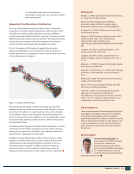
mention that the image sits at the focal point of an altar, replete
with little brass cups filled with camphor, rice, and other items
the TM teacher uses to make 18 offerings to Guru Dev. He
doesn’t say that TM will not provide a translation of the puja to
any prospective TM student.
The student is required to bring some of the items used in the
offerings. Therefore, contrary to being a passive observer or
witness, bringing items used in the puja and paying the course
fee makes the student an active participant in the ceremony.
The involvement of the student in bringing items used in the
ceremony is known as Dakshina in the Hindu religion. The
concept of Dakshina makes the student an active participant,
even if the student thinks he is passive. TM never reveals this
to the public.5 At the end of the puja, the student is invited to
join the teacher in bowing down to Guru Dev. Early TM teachers
knew the purpose of the puja was to bind the soul of the student
to Maharishi and Guru Dev.
In 1978, TM was tossed out of the New Jersey public schools
primarily because of the puja. The puja and TM’s underlying
Hindu philosophical doctrine, known as The Science of Creative
Intelligence (SCI), were both declared religious practices in
conflict with the establishment clause of the First Amendment of
the U.S. Constitution.
The court transcript documents that, during the puja, the
teacher makes 18 offerings and bows to Guru Dev 17 times. The
court further documents that
The puja ends with a string of divine epithets that
are applied to Guru Dev. Guru Dev is called “ the
Unbounded,” “the omnipresent in all creation,” “bliss of
the Absolute,” “transcendental joy,” “the Self-Sufficient,”
“the embodiment of pure knowledge which is beyond
and above the universe like the sky,” “the One,” “the
Eternal,” “the Pure,” “the Immovable,” “the Witness of all
intellects, whose status transcends thought.”6
The Court stated that no one would apply all these epithets to a
human being.
Finally, the court ruled that
Although defendants have submitted well over 1500
pages of briefs, affidavits, and deposition testimony
in opposing plaintiffs’ motion for summary judgment,
defendants have failed to raise the slightest doubt as to
the facts or as to the religious nature of the teachings
of the Science of Creative Intelligence and the puja. The
teaching of the SCI/TM course in New Jersey public high
schools violates the establishment clause of the first
amendment, and its teaching must be enjoined.7
By his own account, Roth has taught TM to many hundreds of
devoutly religious people of all faiths. He writes that when he
described the “ceremony,” some initially thought it could be
religious. But when he explained its purpose, they appreciated
it.8 Of course, as documented above, by distorting the truth he
deceived people who he knew cared deeply about their religious
traditions and who were merely looking for a way to relax.
Many TM teachers tell prospective students, “You don’t have to
believe in anything to do TM,” as proof that TM is not a religion. If
that’s true, why doesn’t TM disclose the truth about the puja and
let people decide for themselves?
Although I sometimes think of Roth as the “bad guy,” I believe he
is a victim too. Roth appears to be a congenial person who likes
people and whom people like and trust. I assume he believes he’s
bringing salvation to the world—just like I believed when I was
a TM teacher. But the bottom line is that I believe he is doing a
tremendous amount of damage by misleading people who are
looking to relax, not to try out a new religion.
What could motivate such a disregard for another’s beliefs as
to willfully guide them into what can only be described as idol
worship? The simple answer is that I believe Roth is a missionary.
TM is his religion, and Maharishi is his high priest. As evidence,
consider the oath TM teachers sign. Likely, Roth signed this version
or one similar:
It is my fortune, Guru Dev, that I have been accepted
to serve the Holy Tradition and spread the Light of God
to all those who need it. It is my joy to undertake the
responsibility of representing the Holy Tradition in all
its purity as it has been given to me by Maharishi and I
promise on your altar, Guru Dev, that with all my heart
and mind I will always work within the framework of
9 VOLUME 9 |ISSUE 3 |2018
…the majority of the hundreds
of research studies so fervently
hyped by the TM organization are
often biased and preliminary…
The puja is the very heart of TM instruction. Every TM student
participates in the puja it is inviolable. A search of the Kindle
version of his book revealed that Roth doesn’t mention the word
puja in his book. This is how he describes the ceremony:
Prior to the instruction, your teacher will perform
a simple thank-you ceremony—an ancient way of
expressing gratitude to the teacher. It’s a lovely cultural
tradition, and not religious in any way. … You won’t,
of course, be asked to participate in it. The thank-you
includes a few fresh flowers, some fresh fruit, a stick of
incense, and, to represent the tradition of meditation
teachers, a picture of Maharishi’s teacher, Guru Dev.3
The online Oxford Dictionary defines puja as “the act of worship,”
not as a “thank-you ceremony.”4 Moreover, there is no mention or
expression of thank you in the entire ceremony.
For more than fifty years, TM teachers have memorized the puja
ritual word for word in Sanskrit, along with its English translation.
In his description, Roth mentions that whenever the “ceremony”
is conducted in TM, there is a picture of Guru Dev. He doesn’t
mention that the image sits at the focal point of an altar, replete
with little brass cups filled with camphor, rice, and other items
the TM teacher uses to make 18 offerings to Guru Dev. He
doesn’t say that TM will not provide a translation of the puja to
any prospective TM student.
The student is required to bring some of the items used in the
offerings. Therefore, contrary to being a passive observer or
witness, bringing items used in the puja and paying the course
fee makes the student an active participant in the ceremony.
The involvement of the student in bringing items used in the
ceremony is known as Dakshina in the Hindu religion. The
concept of Dakshina makes the student an active participant,
even if the student thinks he is passive. TM never reveals this
to the public.5 At the end of the puja, the student is invited to
join the teacher in bowing down to Guru Dev. Early TM teachers
knew the purpose of the puja was to bind the soul of the student
to Maharishi and Guru Dev.
In 1978, TM was tossed out of the New Jersey public schools
primarily because of the puja. The puja and TM’s underlying
Hindu philosophical doctrine, known as The Science of Creative
Intelligence (SCI), were both declared religious practices in
conflict with the establishment clause of the First Amendment of
the U.S. Constitution.
The court transcript documents that, during the puja, the
teacher makes 18 offerings and bows to Guru Dev 17 times. The
court further documents that
The puja ends with a string of divine epithets that
are applied to Guru Dev. Guru Dev is called “ the
Unbounded,” “the omnipresent in all creation,” “bliss of
the Absolute,” “transcendental joy,” “the Self-Sufficient,”
“the embodiment of pure knowledge which is beyond
and above the universe like the sky,” “the One,” “the
Eternal,” “the Pure,” “the Immovable,” “the Witness of all
intellects, whose status transcends thought.”6
The Court stated that no one would apply all these epithets to a
human being.
Finally, the court ruled that
Although defendants have submitted well over 1500
pages of briefs, affidavits, and deposition testimony
in opposing plaintiffs’ motion for summary judgment,
defendants have failed to raise the slightest doubt as to
the facts or as to the religious nature of the teachings
of the Science of Creative Intelligence and the puja. The
teaching of the SCI/TM course in New Jersey public high
schools violates the establishment clause of the first
amendment, and its teaching must be enjoined.7
By his own account, Roth has taught TM to many hundreds of
devoutly religious people of all faiths. He writes that when he
described the “ceremony,” some initially thought it could be
religious. But when he explained its purpose, they appreciated
it.8 Of course, as documented above, by distorting the truth he
deceived people who he knew cared deeply about their religious
traditions and who were merely looking for a way to relax.
Many TM teachers tell prospective students, “You don’t have to
believe in anything to do TM,” as proof that TM is not a religion. If
that’s true, why doesn’t TM disclose the truth about the puja and
let people decide for themselves?
Although I sometimes think of Roth as the “bad guy,” I believe he
is a victim too. Roth appears to be a congenial person who likes
people and whom people like and trust. I assume he believes he’s
bringing salvation to the world—just like I believed when I was
a TM teacher. But the bottom line is that I believe he is doing a
tremendous amount of damage by misleading people who are
looking to relax, not to try out a new religion.
What could motivate such a disregard for another’s beliefs as
to willfully guide them into what can only be described as idol
worship? The simple answer is that I believe Roth is a missionary.
TM is his religion, and Maharishi is his high priest. As evidence,
consider the oath TM teachers sign. Likely, Roth signed this version
or one similar:
It is my fortune, Guru Dev, that I have been accepted
to serve the Holy Tradition and spread the Light of God
to all those who need it. It is my joy to undertake the
responsibility of representing the Holy Tradition in all
its purity as it has been given to me by Maharishi and I
promise on your altar, Guru Dev, that with all my heart
and mind I will always work within the framework of
9 VOLUME 9 |ISSUE 3 |2018
…the majority of the hundreds
of research studies so fervently
hyped by the TM organization are
often biased and preliminary…