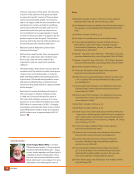
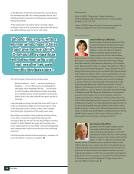
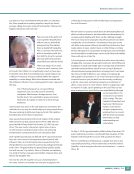
Joseph Szimhart began research into cultic influence in 1980, after ending his
2-year devotion to a New Age sect called Church Universal and Triumphant. He
began to work professionally as an intervention specialist and exit counselor in 1986.
Since 1998 he has worked in the crisis department of a psychiatric emergency
hospital in Pennsylvania. He continues to assist families with interventions and
former members in recovery, including consultations via phone and Internet. In
2016 he received an ICSA Lifetime Achievement Award at the Annual Conference in Dallas, Texas. n
Dear Friends,
After reading this issue of ICSA Today, I thought about how some former cult members can pinpoint
the time they got recruited and the day they defected and moved on, while others (me included)
merged into a harmful cult experience over years and then took years after our defections to
emerge wholly from our involvement. These rites of passage gone awry may seem like sidetracked
chapters in our lives if we merged into cult activity as adults. And for those born or raised in harmful
movements, the rite of passage gone awry may sometimes feel like a constant part of their lives.
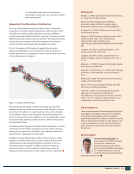
Rites of passage, according to Arnold van Gennep (1873–1957), occur at birth, puberty, marriage,
and death, and also in initiations into special groups. The first step often is the will to give up our
will, to commit “for better or for worse” to the higher good of a marriage, to a grand cause, or to the
possibility of self-perfection, and that often means dying to the old, flawed self. Once we take that
first step, trust in promises and claims draws us to further commitment. Van Gennep in The Rites of
Passage (1972, 6th edition) offers a host of cultural examples of what people may consider significant
life transitions. He argues that, throughout cultures, these rites follow a pattern with ceremonies
that may differ in detail but are universal in function: cutting the hair, moving through a door,
changing a name or costume, graduating from a demanding course, or surviving an excruciating
training. Healthy rites of passage are governed by a healthy social environment. The unhealthy ones
tend to be governed from within by ethically inept, self-centered leaders and devoted-if-deluded
followers.
I see rites of passage as a useful lens through which to view this issue of ICSA Today (IT). In her
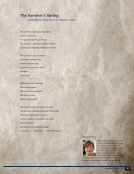
poem A Survivor’s Spring, Mary O’Connell describes the rite of passage after breaking away from
a constricted cult as embracing one’s “wild nature.” Jose Fernández Aguado observes how in
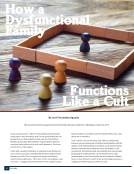
dysfunctional families, as in cults, rites of obedience imposed by a charismatic authority figure can
practically erase our individuality. Doug Duncan suggests that the book The Knowledge Illusion: Why
We Never Think Alone can help us understand the difference between being drawn into a healthy
group and an unhealthy one.
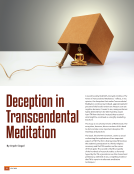
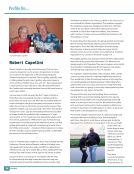
This issue of IT profiles Robert “Cap” Capellini and his late wife Joan Capellini, who intervened to
rescue their son from the Unification Church in 1978. This experience was a rite of passage for
them through which they became effective activists in the cult-awareness movement. Aryeh
Siegel, whose own passage out of Transcendental Meditation is documented in his recent book
(Transcendental Deception…, 2018) explains why he believes that movement has gone to great
lengths to portray as harmless and even beneficial practices that he has identified as deceptive and
sometimes dangerous.
Sometimes our feelings about our past interfere with our living fully in the present. Lorna Goldberg
and Ann Stamler look at this challenge for people born or raised in cultic groups: How should we
feel about those who caused us harm, especially our family? I was particularly moved by Stamler’s
reflections on her mother, who died a true believer at age 97 and remained true postmortem, in her
will, to her decades-long rejection of her apostate daughter.
Van Gennep reminds us that rites of passage are everywhere and are necessary in human social
change. We are tested continually to move in and out of social and psychological arrangements,
dying to one and living in another. Sometimes charismatic traps obscure the passage and block the
door. Hopefully, the voices in this issue will help us understand and move on.
Sincerely,
Joe Szimhart
About ICSA Today
ICSA Today (IT) serves ICSA members by
providing information that enhances
understanding of all aspects of the cult
phenomenon, including how groups
function, how they affect members,
techniques of influence, dealing with
harmful effects, educational and legal
implications, and other subjects.
ICSA Today issues may include
• practical articles for former
members, families, helping
professionals, researchers,
and others
• opinion essays
• theoretical articles
• reports on research
• summaries of news reports on
groups
• information on books, articles, links
• information on ICSA members
• biographical profiles on selected
members
• personal accounts
• art work
• poetry
• short stories and other literary
articles
• special reports from correspondents
around the world
ICSA Today is published three times a
year.
Regular ICSA members receive the print
edition of ICSA Today and have access
to its Web edition. Students and other
special members gain access to the
online edition only.
Nonmember print subscriptions are
available. Submissions to the magazine
should be sent to the Editor-in-Chief,
Michael Langone, PhD:
mail@icsamail.com
We prefer Microsoft Word or a program
compatible with Word. Articles should
be no more than 2,500 words. Please
include a jpeg photo (no less than 360
dpi) and biographical sketch (less than
150 words) with your submission.
Appropriate submissions are reviewed
by the relevant section editor and,
when appropriate, editorial review
advisors.
International Cultic Studies Association
P.O. Box 2265 • Bonita Springs, FL 34133
Phone: 239.514.3081
Email: mail@icsamail.com
Website: icsahome.com
2-year devotion to a New Age sect called Church Universal and Triumphant. He
began to work professionally as an intervention specialist and exit counselor in 1986.
Since 1998 he has worked in the crisis department of a psychiatric emergency
hospital in Pennsylvania. He continues to assist families with interventions and
former members in recovery, including consultations via phone and Internet. In
2016 he received an ICSA Lifetime Achievement Award at the Annual Conference in Dallas, Texas. n
Dear Friends,
After reading this issue of ICSA Today, I thought about how some former cult members can pinpoint
the time they got recruited and the day they defected and moved on, while others (me included)
merged into a harmful cult experience over years and then took years after our defections to
emerge wholly from our involvement. These rites of passage gone awry may seem like sidetracked
chapters in our lives if we merged into cult activity as adults. And for those born or raised in harmful
movements, the rite of passage gone awry may sometimes feel like a constant part of their lives.
Rites of passage, according to Arnold van Gennep (1873–1957), occur at birth, puberty, marriage,
and death, and also in initiations into special groups. The first step often is the will to give up our
will, to commit “for better or for worse” to the higher good of a marriage, to a grand cause, or to the
possibility of self-perfection, and that often means dying to the old, flawed self. Once we take that
first step, trust in promises and claims draws us to further commitment. Van Gennep in The Rites of
Passage (1972, 6th edition) offers a host of cultural examples of what people may consider significant
life transitions. He argues that, throughout cultures, these rites follow a pattern with ceremonies
that may differ in detail but are universal in function: cutting the hair, moving through a door,
changing a name or costume, graduating from a demanding course, or surviving an excruciating
training. Healthy rites of passage are governed by a healthy social environment. The unhealthy ones
tend to be governed from within by ethically inept, self-centered leaders and devoted-if-deluded
followers.
I see rites of passage as a useful lens through which to view this issue of ICSA Today (IT). In her
poem A Survivor’s Spring, Mary O’Connell describes the rite of passage after breaking away from
a constricted cult as embracing one’s “wild nature.” Jose Fernández Aguado observes how in
dysfunctional families, as in cults, rites of obedience imposed by a charismatic authority figure can
practically erase our individuality. Doug Duncan suggests that the book The Knowledge Illusion: Why
We Never Think Alone can help us understand the difference between being drawn into a healthy
group and an unhealthy one.
This issue of IT profiles Robert “Cap” Capellini and his late wife Joan Capellini, who intervened to
rescue their son from the Unification Church in 1978. This experience was a rite of passage for
them through which they became effective activists in the cult-awareness movement. Aryeh
Siegel, whose own passage out of Transcendental Meditation is documented in his recent book
(Transcendental Deception…, 2018) explains why he believes that movement has gone to great
lengths to portray as harmless and even beneficial practices that he has identified as deceptive and
sometimes dangerous.
Sometimes our feelings about our past interfere with our living fully in the present. Lorna Goldberg
and Ann Stamler look at this challenge for people born or raised in cultic groups: How should we
feel about those who caused us harm, especially our family? I was particularly moved by Stamler’s
reflections on her mother, who died a true believer at age 97 and remained true postmortem, in her
will, to her decades-long rejection of her apostate daughter.
Van Gennep reminds us that rites of passage are everywhere and are necessary in human social
change. We are tested continually to move in and out of social and psychological arrangements,
dying to one and living in another. Sometimes charismatic traps obscure the passage and block the
door. Hopefully, the voices in this issue will help us understand and move on.
Sincerely,
Joe Szimhart
About ICSA Today
ICSA Today (IT) serves ICSA members by
providing information that enhances
understanding of all aspects of the cult
phenomenon, including how groups
function, how they affect members,
techniques of influence, dealing with
harmful effects, educational and legal
implications, and other subjects.
ICSA Today issues may include
• practical articles for former
members, families, helping
professionals, researchers,
and others
• opinion essays
• theoretical articles
• reports on research
• summaries of news reports on
groups
• information on books, articles, links
• information on ICSA members
• biographical profiles on selected
members
• personal accounts
• art work
• poetry
• short stories and other literary
articles
• special reports from correspondents
around the world
ICSA Today is published three times a
year.
Regular ICSA members receive the print
edition of ICSA Today and have access
to its Web edition. Students and other
special members gain access to the
online edition only.
Nonmember print subscriptions are
available. Submissions to the magazine
should be sent to the Editor-in-Chief,
Michael Langone, PhD:
mail@icsamail.com
We prefer Microsoft Word or a program
compatible with Word. Articles should
be no more than 2,500 words. Please
include a jpeg photo (no less than 360
dpi) and biographical sketch (less than
150 words) with your submission.
Appropriate submissions are reviewed
by the relevant section editor and,
when appropriate, editorial review
advisors.
International Cultic Studies Association
P.O. Box 2265 • Bonita Springs, FL 34133
Phone: 239.514.3081
Email: mail@icsamail.com
Website: icsahome.com