5 VOLUME 9 |ISSUE 3 |2018
What Is a Dysfunctional Family?
Family is the fundamental human organization (Madanes, 1982).
A family is the first and most sigficant school we attend on how
to relate to others. When this learning process, which takes
years, is adequate, an individual acquires two abilities. The first
is the ability to establish bonds, to engage in interactions with
others that, given the right circumstances, may develop naturally
into intimate relationships. The second ability is achieving and
maintaining autonomy. Like most animals, human beings are
utterly dependent when they are born. The process of achieving
autonomy is long and complex, and can go awry in many ways.
What is central is that these two abilities, to establish bonds
and to achieve autonomy, are complementary neither can be
reached independently of the other since each is the guarantee
of the other (Bowlby, 1999). For the purposes of this paper, a
dysfunctional family is one that doesn’t teach its members (or
facilitate their learning of) how to relate to others, both inside
and outside the family so that members can form bonds and
achieve autonomy in their relationships with other people.
The Relationship Between Dysfunctional Families
and Cults
Two broad areas of relationship to consider in making a
comparison between dysfunctional families and cults are distrust
and dependence:
Distrust. An essential characteristic I have observed in my clients
who come from dysfunctional families is a lack of trust. By trust,
I mean here a reasonably well-founded belief in the reliability,
good sense, or good will of another individual, as opposed to
blind or coerced belief such as may be found in extreme religious
or authoritarian systems or relationships. According to Erickson
(1950), trust is a basic interpersonal emotion necessary for
healthy relationships. Trust in oneself and trust in others usually
develop at the same time, with the growth of one encouraging
the growth of the other. A deficiency of one also encourages a
deficiency of the other.
When trust is absent or deficient, relationships will be based
instead on subtle or intense forms of control, which clears the
way to abusive relationships. Within the family, the abuse may be
between partners, between parents and children, or among any
combination of family or extended family members. The harm to
these family members that results may last for years, even if they
have departed from their family home.
Both dysfunctional families and cults exhibit perversions of
trust—that is, there may be deference or obedience between
members, but neither is based on a well-founded belief in
the good sense or good will of the other individual. Rather,
members have been persuaded that the person in charge, or
the controller, is more knowing or deserving or powerful they
also have learned that the consequences of disobedience to that
individual may be harmful to them.
Dependence. A dysfunctional family makes its members weaker
in many of the same ways that a cult makes its members weaker:
In both contexts, members’ autonomy, critical thinking, identity,
and dignity are suppressed or distorted to serve the needs of
those in control (Langone, 1992).
Both dysfunctional families and cults make their members more
dependent upon their family or cult, and consequently weaker.
Even if members of a dysfunctional family become estranged,
there is often a psychological dependence rather than a healthy
integration with people outside the coercive environment of
which they were part. Similarly, members of a cultic group
are dependent on their leader in a way that depletes rather
than enhances their own strength and often this tendency to
unhealthy dependence on another continues even if the persons
are able to leave the group.
Some Fundamental Traits of Dysfunctional Families
and How They Resemble Cults
One can understand how a family becomes dysfunctional by
examining three features that are central to family systems
theory and therapy (Minuchin &Fishman, 1981 Satir, 1976):
boundaries, rules, and roles. I have observed that, in each
of these areas, a family’s dysfunction is often similar to the
dysfunction of a cultic group.
Boundaries
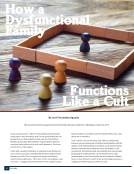
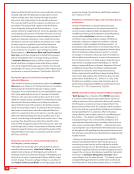
Boundaries within the family. It may be said that the best
relationships are made of three elements: each person
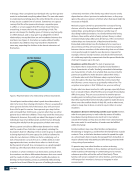
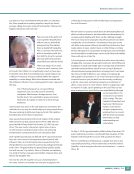
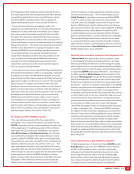
separately, plus the shared space of both (see Figure 1).
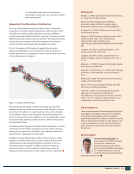
Figure 1. Representation of a dyadic relationship in which each
individual has both personal space and shared space with the
other person.
This dynamic includes space exclusively for each member of
the relationship in which the other member has no presence (I
refer here primarily to a dyadic relationship, though the same
principle holds for relationships of any number). Some people,
though, may feel very uncomfortable with their partner having
this personal space. They take it to mean that the partner
doesn’t love them enough otherwise, the partner wouldn’t
keep a separate space in which they are not present. Therefore,
they may try to suppress this space. But this personal space is
important, and boundaries are key. Will the partner protect his
space from being invaded, or will he submit?
What Is a Dysfunctional Family?
Family is the fundamental human organization (Madanes, 1982).
A family is the first and most sigficant school we attend on how
to relate to others. When this learning process, which takes
years, is adequate, an individual acquires two abilities. The first
is the ability to establish bonds, to engage in interactions with
others that, given the right circumstances, may develop naturally
into intimate relationships. The second ability is achieving and
maintaining autonomy. Like most animals, human beings are
utterly dependent when they are born. The process of achieving
autonomy is long and complex, and can go awry in many ways.
What is central is that these two abilities, to establish bonds
and to achieve autonomy, are complementary neither can be
reached independently of the other since each is the guarantee
of the other (Bowlby, 1999). For the purposes of this paper, a
dysfunctional family is one that doesn’t teach its members (or
facilitate their learning of) how to relate to others, both inside
and outside the family so that members can form bonds and
achieve autonomy in their relationships with other people.
The Relationship Between Dysfunctional Families
and Cults
Two broad areas of relationship to consider in making a
comparison between dysfunctional families and cults are distrust
and dependence:
Distrust. An essential characteristic I have observed in my clients
who come from dysfunctional families is a lack of trust. By trust,
I mean here a reasonably well-founded belief in the reliability,
good sense, or good will of another individual, as opposed to
blind or coerced belief such as may be found in extreme religious
or authoritarian systems or relationships. According to Erickson
(1950), trust is a basic interpersonal emotion necessary for
healthy relationships. Trust in oneself and trust in others usually
develop at the same time, with the growth of one encouraging
the growth of the other. A deficiency of one also encourages a
deficiency of the other.
When trust is absent or deficient, relationships will be based
instead on subtle or intense forms of control, which clears the
way to abusive relationships. Within the family, the abuse may be
between partners, between parents and children, or among any
combination of family or extended family members. The harm to
these family members that results may last for years, even if they
have departed from their family home.
Both dysfunctional families and cults exhibit perversions of
trust—that is, there may be deference or obedience between
members, but neither is based on a well-founded belief in
the good sense or good will of the other individual. Rather,
members have been persuaded that the person in charge, or
the controller, is more knowing or deserving or powerful they
also have learned that the consequences of disobedience to that
individual may be harmful to them.
Dependence. A dysfunctional family makes its members weaker
in many of the same ways that a cult makes its members weaker:
In both contexts, members’ autonomy, critical thinking, identity,
and dignity are suppressed or distorted to serve the needs of
those in control (Langone, 1992).
Both dysfunctional families and cults make their members more
dependent upon their family or cult, and consequently weaker.
Even if members of a dysfunctional family become estranged,
there is often a psychological dependence rather than a healthy
integration with people outside the coercive environment of
which they were part. Similarly, members of a cultic group
are dependent on their leader in a way that depletes rather
than enhances their own strength and often this tendency to
unhealthy dependence on another continues even if the persons
are able to leave the group.
Some Fundamental Traits of Dysfunctional Families
and How They Resemble Cults
One can understand how a family becomes dysfunctional by
examining three features that are central to family systems
theory and therapy (Minuchin &Fishman, 1981 Satir, 1976):
boundaries, rules, and roles. I have observed that, in each
of these areas, a family’s dysfunction is often similar to the
dysfunction of a cultic group.
Boundaries
Boundaries within the family. It may be said that the best
relationships are made of three elements: each person
separately, plus the shared space of both (see Figure 1).
Figure 1. Representation of a dyadic relationship in which each
individual has both personal space and shared space with the
other person.
This dynamic includes space exclusively for each member of
the relationship in which the other member has no presence (I
refer here primarily to a dyadic relationship, though the same
principle holds for relationships of any number). Some people,
though, may feel very uncomfortable with their partner having
this personal space. They take it to mean that the partner
doesn’t love them enough otherwise, the partner wouldn’t
keep a separate space in which they are not present. Therefore,
they may try to suppress this space. But this personal space is
important, and boundaries are key. Will the partner protect his
space from being invaded, or will he submit?