H
ow can those professionals working in a rather small
and complex field such as exit work improve their
methods and programs? Learning from professionals
and organizations who are working on similar processes is one
option. Helping individuals to leave cults has a comparatively
long history. Some of the first exit programs for extremism,
put in place in Europe at the end of the 1990s, were based
on experiences with cults. Since then, new insights have
been gained into how to work with people who leave cults
or an extremist environment, thus creating opportunities for
new cross-fertilization. This document is intended for exit
organizations in both the field of violent extremism and that of
cults. Other actors in the fields of countering violent extremism
(CVE) and preventing violent extremism (PVE) may also benefit.
The field of exit work to help people leave an extremist
movement, stop their use of violence, and change their
opinions has emerged only fairly recently. Programs first came
into existence in the Western world at the end of the past
century. The number of radicalized persons as such is limited
and heterogeneous. when it comes to the kinds of extremist
ideology, background, and motivations that make these
individuals decide to leave the radical environment in the end.
The approach adopted by the various existing exit programs
differs. Some tend to put more emphasis on behavioral aspects
(disengagement) and others on the ideology (deradicalization).
Some programs are based on therapeutic psychological
insights, others on youth-work methods. There are no standards
in exit work when it comes to assessment, treatment, and
2 ICSA TODAY
Note: The recommendations and information in this paper are based on presentations and discussions during the
Radicalization Awareness Network (RAN) EXIT working-group meeting of June 27–28, 2017, in Bordeaux, France.
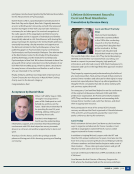
By Rod Dubrow-Marshall, Maarten van de Donk, and
Wessel Haanstra
Cults and Radical Extremist Groups
Lessons From Adjacent Fields:
ow can those professionals working in a rather small
and complex field such as exit work improve their
methods and programs? Learning from professionals
and organizations who are working on similar processes is one
option. Helping individuals to leave cults has a comparatively
long history. Some of the first exit programs for extremism,
put in place in Europe at the end of the 1990s, were based
on experiences with cults. Since then, new insights have
been gained into how to work with people who leave cults
or an extremist environment, thus creating opportunities for
new cross-fertilization. This document is intended for exit
organizations in both the field of violent extremism and that of
cults. Other actors in the fields of countering violent extremism
(CVE) and preventing violent extremism (PVE) may also benefit.
The field of exit work to help people leave an extremist
movement, stop their use of violence, and change their
opinions has emerged only fairly recently. Programs first came
into existence in the Western world at the end of the past
century. The number of radicalized persons as such is limited
and heterogeneous. when it comes to the kinds of extremist
ideology, background, and motivations that make these
individuals decide to leave the radical environment in the end.
The approach adopted by the various existing exit programs
differs. Some tend to put more emphasis on behavioral aspects
(disengagement) and others on the ideology (deradicalization).
Some programs are based on therapeutic psychological
insights, others on youth-work methods. There are no standards
in exit work when it comes to assessment, treatment, and
2 ICSA TODAY
Note: The recommendations and information in this paper are based on presentations and discussions during the
Radicalization Awareness Network (RAN) EXIT working-group meeting of June 27–28, 2017, in Bordeaux, France.
By Rod Dubrow-Marshall, Maarten van de Donk, and
Wessel Haanstra
Cults and Radical Extremist Groups
Lessons From Adjacent Fields: