VOLUME 10 |ISSUE 1 |2019 2717
Note
[1] According to Benjamin, “…the third is that to which we
surrender, and thirdness is the intersubjective mental
space that facilitates or results from surrender. In my
thinking, the term surrender refers to a certain letting go
of the self, and thus also implies the recognition to take in
the other’s point of view or reality. Thus, surrender refers
us to recognition—being able to sustain connectedness
to the other’s mind while accepting his separateness and
difference. Surrender implies freedom from any intent to
control or coerce.” (Benjamin, 2004, p. 8).
References
Benjamin, J. (2004). Beyond doer and done to: An
intersubjective view of thirdness. Psychoanalytic Quarterly,
73(1), 5–46.
Freud, S. (1940). An outline of psychoanalysis. Standard
edition, 23, 141–207. London, England: Hogarth Press.
ICSA Board of Directors. (2013). Dialogue and cultic studies:
Why dialogue benefits the cultic studies field—A message
from the Directors of ICSA. ICSA Today, Vol. 4, No. 3, pp. 2–3.
Available online at icsahome.com/articles/dialogue-and-
cultic-studies-icsa-board-it-4-3
About the Author
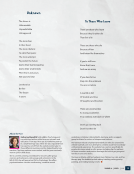
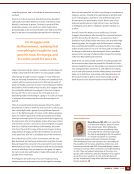
Lorna Goldberg, LCSW, PsyA, board
member and past president of ICSA, is a
psychoanalyst in private practice and Director
at the Institute of Psychoanalytic Studies. In
1976, she and her husband, William Goldberg,
began facilitating a support group for
former cult members that continues to meet
monthly in their home in Englewood, New Jersey. Lorna and
Bill received the Hall of Fame Award from the authentic Cult
Awareness Network in 1989 and the Leo J. Ryan Award from
the Leo J. Ryan Foundation in 1999. In 2009, Lorna received
the Margaret T. Singer Award from ICSA. Along with Rosanne
Henry, she cochaired ICSA’s Mental Health Committee
from 2003 to 2008. Lorna has published numerous articles
about her therapeutic work with former cult members in
professional journals, including, most recently, Goldberg,
L., (2012), “Influence of a Charismatic Antisocial Cult Leader:
Psychotherapy With an Ex-Cultist Prosecuted for Criminal
Behavior,” International Journal of Cultic Studies, Vol. 2, 15–24
and Goldberg, L., (2011), “Diana, Leaving the Cult: Play
Therapy in Childhood and Talk Therapy in Adolescence,”
International Journal of Cultic Studies, Vol. 2, 33–43. She also
wrote the chapter “Guidelines for Therapists” in the book
Recovery from Cults (1993), edited by Michael Langone. She
cowrote with Bill Goldberg the chapter “Psychotherapy
With Targeted Parents” in the book Working With Alienated
Children and Families (2013), edited by Amy J. L. Baker and
S. Richard Sauber. Most recently Lorna coedited (along with
William Goldberg, Rosanne Henry, and Michael Langone) Cult
Recovery: A Clinician’s Guide to Working With Former Members
and Families (2017). n
comfortable by giving us the feeling that we know the person or
situation, but they do a disservice to the person with whom we
are interacting. As a therapist, I believe that my clients should
bring me to the theory rather than the other way around. In
other words, we should not let our expectations shape our
reality.
Why Are We Talking Now?
So, why are dialogue and diversity necessary? In the days ahead,
we each will be interacting with individuals who may have
vastly different backgrounds and possibly even views that are
opposed to our own. I would say, based on my decades in this
organization, that the people you meet here, no matter how
different they seem, can all actually be seen to some extent
as heroes for their tremendous achievements: They are first-
generation former cult members who were courageous enough
to leave despite hearing frightening stories of the outside
world, and despite having to face the painful fact that they have
given years to a false messiah. They are second-generation and
multigenerational former cult members who, despite the need
to adapt to a whole new culture, bravely left the only world they
had ever known. They are families who are intrepid in finding
different ways to keep contact with those in the cult, and thus
assuring their loved ones that they will have a caring home on
the outside. They are mental health professionals who, often for
a low fee, have made it possible for former cult members to tell
their story. They are attorneys who have fought for former cult
members’ rights. They are researchers who have provided us
with good science, and who have written eloquently about the
dynamics of these groups and the aftereffects of cult life. They
are clergy who have helped former cult members deconstruct
how cult scripture has twisted mainstream Christian, Jewish,
Islamic, Hindu, or Buddhist belief. They are journalists who have
told the stories of those who have been harmed. They may be
sociologists, or they may even be representatives of cultic
groups who have come here openly, taking the courageous
step of entering these halls filled with people who generally
might be opposed to them or their views.
The ICSA Directors wrote that
Dialogue is... premised on humility. If I deem myself to
be imperfect, value truth, and have a set of beliefs,
then I ought to be open to discussion with those who
do not share those beliefs. I cannot correct myself if I
do not allow myself to be challenged. (ICSA, 2013)
We need diversity and dialogue because, as intelligent or
educated or experienced as we may be, we don’t know
everything. We need to recognize our vulnerabilities and our
blind spots. We will only be able to hear one another if we move
past our assumptions and our self-righteousness. Instead, we
need to be humble, remembering that we all are equals who
deserve respect. Let’s remember that the person who might
have just said something that appears to be offensive or
ridiculous might be opening a door into a new and enriched
way of seeing the world. n
Note
[1] According to Benjamin, “…the third is that to which we
surrender, and thirdness is the intersubjective mental
space that facilitates or results from surrender. In my
thinking, the term surrender refers to a certain letting go
of the self, and thus also implies the recognition to take in
the other’s point of view or reality. Thus, surrender refers
us to recognition—being able to sustain connectedness
to the other’s mind while accepting his separateness and
difference. Surrender implies freedom from any intent to
control or coerce.” (Benjamin, 2004, p. 8).
References
Benjamin, J. (2004). Beyond doer and done to: An
intersubjective view of thirdness. Psychoanalytic Quarterly,
73(1), 5–46.
Freud, S. (1940). An outline of psychoanalysis. Standard
edition, 23, 141–207. London, England: Hogarth Press.
ICSA Board of Directors. (2013). Dialogue and cultic studies:
Why dialogue benefits the cultic studies field—A message
from the Directors of ICSA. ICSA Today, Vol. 4, No. 3, pp. 2–3.
Available online at icsahome.com/articles/dialogue-and-
cultic-studies-icsa-board-it-4-3
About the Author
Lorna Goldberg, LCSW, PsyA, board
member and past president of ICSA, is a
psychoanalyst in private practice and Director
at the Institute of Psychoanalytic Studies. In
1976, she and her husband, William Goldberg,
began facilitating a support group for
former cult members that continues to meet
monthly in their home in Englewood, New Jersey. Lorna and
Bill received the Hall of Fame Award from the authentic Cult
Awareness Network in 1989 and the Leo J. Ryan Award from
the Leo J. Ryan Foundation in 1999. In 2009, Lorna received
the Margaret T. Singer Award from ICSA. Along with Rosanne
Henry, she cochaired ICSA’s Mental Health Committee
from 2003 to 2008. Lorna has published numerous articles
about her therapeutic work with former cult members in
professional journals, including, most recently, Goldberg,
L., (2012), “Influence of a Charismatic Antisocial Cult Leader:
Psychotherapy With an Ex-Cultist Prosecuted for Criminal
Behavior,” International Journal of Cultic Studies, Vol. 2, 15–24
and Goldberg, L., (2011), “Diana, Leaving the Cult: Play
Therapy in Childhood and Talk Therapy in Adolescence,”
International Journal of Cultic Studies, Vol. 2, 33–43. She also
wrote the chapter “Guidelines for Therapists” in the book
Recovery from Cults (1993), edited by Michael Langone. She
cowrote with Bill Goldberg the chapter “Psychotherapy
With Targeted Parents” in the book Working With Alienated
Children and Families (2013), edited by Amy J. L. Baker and
S. Richard Sauber. Most recently Lorna coedited (along with
William Goldberg, Rosanne Henry, and Michael Langone) Cult
Recovery: A Clinician’s Guide to Working With Former Members
and Families (2017). n
comfortable by giving us the feeling that we know the person or
situation, but they do a disservice to the person with whom we
are interacting. As a therapist, I believe that my clients should
bring me to the theory rather than the other way around. In
other words, we should not let our expectations shape our
reality.
Why Are We Talking Now?
So, why are dialogue and diversity necessary? In the days ahead,
we each will be interacting with individuals who may have
vastly different backgrounds and possibly even views that are
opposed to our own. I would say, based on my decades in this
organization, that the people you meet here, no matter how
different they seem, can all actually be seen to some extent
as heroes for their tremendous achievements: They are first-
generation former cult members who were courageous enough
to leave despite hearing frightening stories of the outside
world, and despite having to face the painful fact that they have
given years to a false messiah. They are second-generation and
multigenerational former cult members who, despite the need
to adapt to a whole new culture, bravely left the only world they
had ever known. They are families who are intrepid in finding
different ways to keep contact with those in the cult, and thus
assuring their loved ones that they will have a caring home on
the outside. They are mental health professionals who, often for
a low fee, have made it possible for former cult members to tell
their story. They are attorneys who have fought for former cult
members’ rights. They are researchers who have provided us
with good science, and who have written eloquently about the
dynamics of these groups and the aftereffects of cult life. They
are clergy who have helped former cult members deconstruct
how cult scripture has twisted mainstream Christian, Jewish,
Islamic, Hindu, or Buddhist belief. They are journalists who have
told the stories of those who have been harmed. They may be
sociologists, or they may even be representatives of cultic
groups who have come here openly, taking the courageous
step of entering these halls filled with people who generally
might be opposed to them or their views.
The ICSA Directors wrote that
Dialogue is... premised on humility. If I deem myself to
be imperfect, value truth, and have a set of beliefs,
then I ought to be open to discussion with those who
do not share those beliefs. I cannot correct myself if I
do not allow myself to be challenged. (ICSA, 2013)
We need diversity and dialogue because, as intelligent or
educated or experienced as we may be, we don’t know
everything. We need to recognize our vulnerabilities and our
blind spots. We will only be able to hear one another if we move
past our assumptions and our self-righteousness. Instead, we
need to be humble, remembering that we all are equals who
deserve respect. Let’s remember that the person who might
have just said something that appears to be offensive or
ridiculous might be opening a door into a new and enriched
way of seeing the world. n