27 VOLUME 10 |ISSUE 1 |2019
In the late 1970s and through most of the 1980s, a large
majority (probably more than 80%) of the people attending
conferences or seeking help from ICSA (then known as
American Family Foundation—AFF) were parents concerned
about a young-adult child involved in or formerly involved in a
cultic group.
At the 2018 ICSA annual conference, 14% of attendees were
parents, who themselves had never been in a cult, concerned
about a cult-involved loved one. Fifty-eight percent of
attendees were former group members, and 41% of these (24%
of total attendees) had been born or raised in cultic groups.
The percentage of born-or-raised persons attending ICSA
conferences has been steadily rising during the past 10 to 15
years (ICSA, 2018).
Thus, whereas noncult parents dominated the early years of this
field, former members dominate today, with the born-or-raised
group being the fastest growing constituency within ICSA.
In 1978, Conway et al. conducted a survey of 426 former cult
members from the emerging cult awareness movement. These
426 persons came from 40 different groups (10.65 subjects per
group on average) 76% came from one of five groups and
44% came from the Unification Church. Seventy percent of the
former members had been deprogrammed their average age
at joining was 21 years, and they spent an average of 2.7 years
in their respective groups (Conway, Siegalman, Carmichael, &
Coggins, 1986).
In 1991, I conducted a survey from the same network of people.
Three hundred eight subjects came from 101 different groups
(3.05 subjects per group on average) 33% came from the top
five groups, with 16% coming from the largest group. The
average age at joining was 24.8 years, and subjects spent an
average of 6.7 years in their respective groups (Langone, 1991).
Between August 2014 and December 2018, 1,351 people
completed an online survey designed by ICSA. Eight hundred
twenty-two of these persons named a group in which they had
been a former member. In total, 435 groups were named, an
average of 1.90 subjects per group). Subjects had been in their
groups an average of 11.78 years (ICSA, 2018).
Thus, former members entering the ICSA network today come
from a much larger variety of groups (an average of 1.90 subjects
per group, compared to an average of 10.65 subjects per group in
1978), and they now stay in their groups more than four times as
long (11.78 years, compared to 2.7 years in 1978). This change has
significant implications for helpers.
Note: These figures apply only to those who enter the ICSA
orbit. Reliable scientific data do not exist regarding the broad
population of cult joiners and cult leavers.
References
Conway, F., Siegelman, J. H., Carmichael, C. W., &Coggins, J.
(1986). Information disease: Effects of covert induction and
deprogramming. Update: A Journal of New Religious Movements,
10(2), 45–57.
ICSA. (2018, October). Interesting statistics from the 2018
ICSA Annual Conference in Philadelphia, ICSA E-Newsletter (22
October, 2018).
Langone, M. D. (1991). Questionnaire study: Preliminary report.
Available online at icsahome.com/articles/questionnaire-study-
preliminary-report-langone
1979–2019:
The Changing Population of ICSA
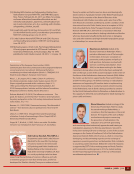
By Michael D. Langone
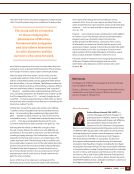
About the Author
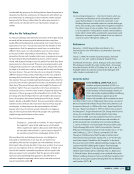
Michael D. Langone, PhD, received a
doctorate in Counseling Psychology from the
University of California, Santa Barbara in 1979.
Since 1981 he has been Executive Director of
International Cultic Studies Association (ICSA).
He was the founding editor of Cultic Studies
Journal (CSJ) the editor of CSJ’s successor, Cultic
Studies Review and editor of Recovery from Cults: Help for Victims
of Psychological and Spiritual Abuse (an alternate of the Behavioral
Science Book Service). He is coauthor of Cults: What Parents
Should Know and Satanism and Occult-Related Violence: What You
Should Know. He is coeditor (with Lorna Goldberg, LCSW, PsyA
William Goldberg, LCSW, PsyA Rosanne Henry, MA, LPC) of Cult
Recovery: A Clinician’s Guide to Working With Former Members. Dr.
Langone, ICSA Today’s Editor-in-Chief, has been the chief designer
and coordinator of ICSA’s international conferences, which have
taken place in Barcelona, New York, Rome, Philadelphia, Geneva,
Denver, Brussels, Atlanta, Madrid, Stockholm, Dallas, Bordeaux,
and Philadelphia. In 1995, he was honored as the Albert V.
Danielsen visiting Scholar at Boston University. He has authored
numerous articles in professional journals and books, and has
spoken widely to dozens of lay and professional groups, various
university audiences, and numerous radio and television stations,
including the MacNeil/Lehrer News Hour and ABC 20/20. n
In the late 1970s and through most of the 1980s, a large
majority (probably more than 80%) of the people attending
conferences or seeking help from ICSA (then known as
American Family Foundation—AFF) were parents concerned
about a young-adult child involved in or formerly involved in a
cultic group.
At the 2018 ICSA annual conference, 14% of attendees were
parents, who themselves had never been in a cult, concerned
about a cult-involved loved one. Fifty-eight percent of
attendees were former group members, and 41% of these (24%
of total attendees) had been born or raised in cultic groups.
The percentage of born-or-raised persons attending ICSA
conferences has been steadily rising during the past 10 to 15
years (ICSA, 2018).
Thus, whereas noncult parents dominated the early years of this
field, former members dominate today, with the born-or-raised
group being the fastest growing constituency within ICSA.
In 1978, Conway et al. conducted a survey of 426 former cult
members from the emerging cult awareness movement. These
426 persons came from 40 different groups (10.65 subjects per
group on average) 76% came from one of five groups and
44% came from the Unification Church. Seventy percent of the
former members had been deprogrammed their average age
at joining was 21 years, and they spent an average of 2.7 years
in their respective groups (Conway, Siegalman, Carmichael, &
Coggins, 1986).
In 1991, I conducted a survey from the same network of people.
Three hundred eight subjects came from 101 different groups
(3.05 subjects per group on average) 33% came from the top
five groups, with 16% coming from the largest group. The
average age at joining was 24.8 years, and subjects spent an
average of 6.7 years in their respective groups (Langone, 1991).
Between August 2014 and December 2018, 1,351 people
completed an online survey designed by ICSA. Eight hundred
twenty-two of these persons named a group in which they had
been a former member. In total, 435 groups were named, an
average of 1.90 subjects per group). Subjects had been in their
groups an average of 11.78 years (ICSA, 2018).
Thus, former members entering the ICSA network today come
from a much larger variety of groups (an average of 1.90 subjects
per group, compared to an average of 10.65 subjects per group in
1978), and they now stay in their groups more than four times as
long (11.78 years, compared to 2.7 years in 1978). This change has
significant implications for helpers.
Note: These figures apply only to those who enter the ICSA
orbit. Reliable scientific data do not exist regarding the broad
population of cult joiners and cult leavers.
References
Conway, F., Siegelman, J. H., Carmichael, C. W., &Coggins, J.
(1986). Information disease: Effects of covert induction and
deprogramming. Update: A Journal of New Religious Movements,
10(2), 45–57.
ICSA. (2018, October). Interesting statistics from the 2018
ICSA Annual Conference in Philadelphia, ICSA E-Newsletter (22
October, 2018).
Langone, M. D. (1991). Questionnaire study: Preliminary report.
Available online at icsahome.com/articles/questionnaire-study-
preliminary-report-langone
1979–2019:
The Changing Population of ICSA
By Michael D. Langone
About the Author
Michael D. Langone, PhD, received a
doctorate in Counseling Psychology from the
University of California, Santa Barbara in 1979.
Since 1981 he has been Executive Director of
International Cultic Studies Association (ICSA).
He was the founding editor of Cultic Studies
Journal (CSJ) the editor of CSJ’s successor, Cultic
Studies Review and editor of Recovery from Cults: Help for Victims
of Psychological and Spiritual Abuse (an alternate of the Behavioral
Science Book Service). He is coauthor of Cults: What Parents
Should Know and Satanism and Occult-Related Violence: What You
Should Know. He is coeditor (with Lorna Goldberg, LCSW, PsyA
William Goldberg, LCSW, PsyA Rosanne Henry, MA, LPC) of Cult
Recovery: A Clinician’s Guide to Working With Former Members. Dr.
Langone, ICSA Today’s Editor-in-Chief, has been the chief designer
and coordinator of ICSA’s international conferences, which have
taken place in Barcelona, New York, Rome, Philadelphia, Geneva,
Denver, Brussels, Atlanta, Madrid, Stockholm, Dallas, Bordeaux,
and Philadelphia. In 1995, he was honored as the Albert V.
Danielsen visiting Scholar at Boston University. He has authored
numerous articles in professional journals and books, and has
spoken widely to dozens of lay and professional groups, various
university audiences, and numerous radio and television stations,
including the MacNeil/Lehrer News Hour and ABC 20/20. n