34 ICSA TODAY
slip was jolting. We knew we were a bit out there, that we were
more demanding than other churches, but we never dreamed
we stood out that much! The letter also ushered in a deeper level
of sadness regarding our church. Many of our members, myself
included, hoped that the crusade, and the new members we
hoped would join us because of the crusade, would lead us out
of the past few years of isolation and discouragement. Rumors
and reports were running through the church of our pastor’s
forays into drinking, drug use, and questionable contact with
both single and married women in the church. While these
accounts were vehemently denied by the pastor and his friends
and family, the stories were circulating and didn’t seem very
hard to believe. After the committee’s decision to exclude our
church from the crusade, the pastor
withdrew further into what became
his addiction to opioids and alcohol
and seemed more flagrant in his
abusive behaviors. Many in the church
also gave up and followed him off the
moral cliff he’d led them to.
I think our pastor was relieved at
the pink slip. It temporarily brought
relief from the fear of exposureof
his secret crimes. For, besides the
adultery, drunkenness, strong-arming
of members for money, running
roughshod over the church and making everyone generally
miserable, he had been molesting young girls, the daughters
of church members. He is now in the Oregon State Prison,
serving a 20-year sentence.
For me, the pink slip had a profound effect and marks the time
when I began to experience an inner deliberation to leave
the church. When I was, in effect, fired by Billy Graham, I was
ashamed and embarrassed. My dream of one day becoming
pastor of a church evaporated. I abandoned all such hopes.
I did attend one of the crusade services one warm evening
when it came to town that summer. My 9-year-old daughter
and I stood in a high-school football field, the overflow
location for the nearby stadium, watching Billy Graham on
a huge screen put up in an end zone. It was surreal—having
envisioned myself as serving a part in the crusade—angsts
all resolved, life cleaned up, leading a Bible study, or going to
seminary, or preaching… But instead, there I stood, dazed, in a
field, watching the whole show go on without me, on a screen.
But then, I remembered what happened after the committee
meeting, in the hallway, when that pastor stopped me to
speak to me, and the whole world around us seemed to be
thrust into suspended animation: Ken, I really like your spirit.
I appreciate your heart. Thank you for coming in. You’re a good
guy, Ken.
As I reflected, tiny seeds of both doubt and confirmation
planted by that pastor, and even by the pink slip I’d received,
began to send out some tiny roots into my soul. By that time
I knew that our pastor was certainly guilty of all he’d been
accused of by his unidentified victim. I knew he was a cad an
abusive, addicted, self-absorbed man. But who was I? Where
did I fit into the whole mess?
Ken, I really like your spirit.
I began, increasingly, to view myself as outside the church.
I was present there physically, but emotionally and
psychologically, the train had left the station, carrying me far
away from a church that functioned as a cult. Once I began to
think like that, it was only a matter of time before my wife, our
children, and I walked out the door and into a life of spiritual
and physical health and freedom, joy.
Churches that abuse their members
create an atmosphere that is toxic
and smothering—to the point that
their members fear leaving—and
hate staying. The control and the
countless emotional hooks serve to
traumatize members until they start
down that mental path of simply
imagining life outside the church,
away from the abuse. That’s what I
began to imagine and, in a short time,
my imagination guided my thinking
and planning, and even gave me
courage to walk out the door. Before
he even arrived in Portland, Billy Graham played a part in my
leaving the abusive church.
Wow that’s really a trip, Kenny. Nobody gets a pink slip from Billy
Graham! But you did—you should save that.
Well, it was a trip. I certainly don’t know of anyone else in the
world who’s been turned away from volunteering at a Billy
Graham crusade. And I did keep the letter, a pink slip to be
grateful for. n
W ithin a week all of
our members who had
volunteered were fired
from the most welcoming,
ecumenical, big-tent
ministry on the planet.
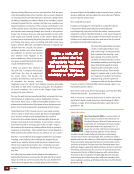
About the Author
Rev. Ken Garrett, DMin, is senior pastor of
Grace Church, located in his hometown of
Portland, Oregon. After a 20-year career as a
paramedic, he completed seminary studies
and transitioned to the pastorate. For 12
years, Ken and his wife Sharon belonged to
a high-demand, abusive church whose
members lived communally, practicing an overbearing,
extreme form of the Christian faith. Ken and Sharon made a
painful exit from the church in 1996 with their three daughters.
They now enjoy many opportunities to counsel and care for
survivors of abusive churches from the Portland metro area
and have begun a quarterly Spiritual Abuse Forum to promote
friendship and education for survivors of spiritual abuse. Ken
has earned a Doctor of Ministry degree, with a dissertation
focusing on the recognition of spiritually abusive churches
and recovery from the trauma they inflict on members. Ken
loves reading, traveling, and hiking in the forests of the Pacific
Northwest. n
slip was jolting. We knew we were a bit out there, that we were
more demanding than other churches, but we never dreamed
we stood out that much! The letter also ushered in a deeper level
of sadness regarding our church. Many of our members, myself
included, hoped that the crusade, and the new members we
hoped would join us because of the crusade, would lead us out
of the past few years of isolation and discouragement. Rumors
and reports were running through the church of our pastor’s
forays into drinking, drug use, and questionable contact with
both single and married women in the church. While these
accounts were vehemently denied by the pastor and his friends
and family, the stories were circulating and didn’t seem very
hard to believe. After the committee’s decision to exclude our
church from the crusade, the pastor
withdrew further into what became
his addiction to opioids and alcohol
and seemed more flagrant in his
abusive behaviors. Many in the church
also gave up and followed him off the
moral cliff he’d led them to.
I think our pastor was relieved at
the pink slip. It temporarily brought
relief from the fear of exposureof
his secret crimes. For, besides the
adultery, drunkenness, strong-arming
of members for money, running
roughshod over the church and making everyone generally
miserable, he had been molesting young girls, the daughters
of church members. He is now in the Oregon State Prison,
serving a 20-year sentence.
For me, the pink slip had a profound effect and marks the time
when I began to experience an inner deliberation to leave
the church. When I was, in effect, fired by Billy Graham, I was
ashamed and embarrassed. My dream of one day becoming
pastor of a church evaporated. I abandoned all such hopes.
I did attend one of the crusade services one warm evening
when it came to town that summer. My 9-year-old daughter
and I stood in a high-school football field, the overflow
location for the nearby stadium, watching Billy Graham on
a huge screen put up in an end zone. It was surreal—having
envisioned myself as serving a part in the crusade—angsts
all resolved, life cleaned up, leading a Bible study, or going to
seminary, or preaching… But instead, there I stood, dazed, in a
field, watching the whole show go on without me, on a screen.
But then, I remembered what happened after the committee
meeting, in the hallway, when that pastor stopped me to
speak to me, and the whole world around us seemed to be
thrust into suspended animation: Ken, I really like your spirit.
I appreciate your heart. Thank you for coming in. You’re a good
guy, Ken.
As I reflected, tiny seeds of both doubt and confirmation
planted by that pastor, and even by the pink slip I’d received,
began to send out some tiny roots into my soul. By that time
I knew that our pastor was certainly guilty of all he’d been
accused of by his unidentified victim. I knew he was a cad an
abusive, addicted, self-absorbed man. But who was I? Where
did I fit into the whole mess?
Ken, I really like your spirit.
I began, increasingly, to view myself as outside the church.
I was present there physically, but emotionally and
psychologically, the train had left the station, carrying me far
away from a church that functioned as a cult. Once I began to
think like that, it was only a matter of time before my wife, our
children, and I walked out the door and into a life of spiritual
and physical health and freedom, joy.
Churches that abuse their members
create an atmosphere that is toxic
and smothering—to the point that
their members fear leaving—and
hate staying. The control and the
countless emotional hooks serve to
traumatize members until they start
down that mental path of simply
imagining life outside the church,
away from the abuse. That’s what I
began to imagine and, in a short time,
my imagination guided my thinking
and planning, and even gave me
courage to walk out the door. Before
he even arrived in Portland, Billy Graham played a part in my
leaving the abusive church.
Wow that’s really a trip, Kenny. Nobody gets a pink slip from Billy
Graham! But you did—you should save that.
Well, it was a trip. I certainly don’t know of anyone else in the
world who’s been turned away from volunteering at a Billy
Graham crusade. And I did keep the letter, a pink slip to be
grateful for. n
W ithin a week all of
our members who had
volunteered were fired
from the most welcoming,
ecumenical, big-tent
ministry on the planet.
About the Author
Rev. Ken Garrett, DMin, is senior pastor of
Grace Church, located in his hometown of
Portland, Oregon. After a 20-year career as a
paramedic, he completed seminary studies
and transitioned to the pastorate. For 12
years, Ken and his wife Sharon belonged to
a high-demand, abusive church whose
members lived communally, practicing an overbearing,
extreme form of the Christian faith. Ken and Sharon made a
painful exit from the church in 1996 with their three daughters.
They now enjoy many opportunities to counsel and care for
survivors of abusive churches from the Portland metro area
and have begun a quarterly Spiritual Abuse Forum to promote
friendship and education for survivors of spiritual abuse. Ken
has earned a Doctor of Ministry degree, with a dissertation
focusing on the recognition of spiritually abusive churches
and recovery from the trauma they inflict on members. Ken
loves reading, traveling, and hiking in the forests of the Pacific
Northwest. n