VOLUME 10 |ISSUE 1 |2019
[15] Working With Families and Safeguarding Children From
Radicalisation (ex-post RAN YF&C and RAN H&SC paper,
Nice, France, February 02–03, 2017 see https://ec.europa.
eu/home-affairs/sites/homeaffairs/files/what-we-do/
networks/radicalisation_awareness_network/about-ran/
ran-h-and-sc/docs/ran_yf-c_h-sc_working_with_families_
safeguarding_children_en.pdf).
[16] Joseph Kelly and Patrick Ryan (Intervention101 and ICSA).
Exit Work With Families and Current Members (presentation,
RAN EXIT working group, June 27, 2017).
[17] Linda Dubrow-Marshall (RETIRN UK and ICSA). Recovery
and Counselling (presentation, RAN EXIT working group,
June 28, 2017).
[18] Michael Langone. (ICSA). Cults, Psychological Manipulation,
&Society (paper presented at AFF Annual Conference,
University of Minnesota, St. Paul Campus, May 14, 1999
published in Cultic Studies Journal, 18, 2001, 1–12, para. 10.
References
Commission of the European Communities. (2005).
Communication from the Commission to the European Parliament
concerning terrorist recruitment: Addressing the factors
contributing to violent radicalization [Article 1, COM(2005) 313
final]. Brussels, Belgium: European Commission.
West, L. J., &Langone, M. D. (1986). Cultism: A conference
for scholars and policy makers Cultic Studies Journal, 3(1), 87.
(Paper originally presented at this conference, Sept. 9–11,
1985, sponsored by the American Family Foundation, the
UCLA Neuropsychiatric Institute, and the Johnson Foundation,
Winspread conference facility, Racine, Wisconsin.)
Dubrow-Marshall, R. P. (2010). The influence continuum—The
good, the dubious and the harmful—Evidence and implications
for policy and practice in the 21st century. International Journal of
Cultic Studies, 1(1), 1–13.
Herman, J. L. (1997/1992). Trauma and recovery: The aftermath of
violence—from domestic abuse to political terror. New York, NY:
BasicBooks.
Lifton, R. J. (1989/1961). Thought reform and the psychology
of totalism: A study of brainwashing in China. Chapel Hill, NC:
University of North Carolina Press.
Singer, M. T., &Lalich, J. (1995). Cults in our midst: The hidden
menace in our everyday lives. San Francisco, CA: Jossey-Bass.
About the Authors
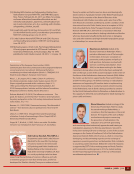
Rod Dubrow-Marshall, PhD, MBPsS, is
Programme Leader (with Linda Dubrow-
Marshall) for the new MSc Psychology
of Coercive Control in the Directorate
of Psychology and Public Health and is
Visiting Fellow in the Criminal Justice
Hub at the University of Salford, UK. Rod
is a social psychologist who has been
researching the psychology of coercion, influence, and cults
or extremist groups for more than twenty years, and he has
developed the Totalistic Identity Theory as an evidence-based
theory to explain and tackle coercion, abuse, and ideologically
driven violence. A graduate member of the British Psychological
Society, Rod is a member of the Board of Directors of the
International Cultic Studies Association and is also Chair of the
ICSA Research Committee and Network, and he is Coeditor of the
International Journal of Cultic Studies (since its inception in 2010).
Rod cofounded the Re-Entry Therapy Information and Referral
Network (RETIRN) UK in 2004 with Dr. Linda Dubrow-Marshall,
where he serves as a consultant in helping individuals and families
who have been adversely affected by destructive or damaging
cults and other extremist and high-demand/manipulative groups
or relationships (see www.retirn.com).
Maarten van de Donk studied at the
Erasmus University in Rotterdam. After a
period as alderman in one of the boroughs
in Rotterdam, he became consultant on
preventive youth programs and policy. In
both positions, he became involved with
work on countering radicalization. Since
2006, he has been working for the Radar
Cunsultancy Group, where since 2012 he has been working full-
time on this topic as one of the account managers in the Centre of
Excellence of the Radicalisation Awareness Network (RAN). Within
the Center, van de Donk is supporting the Prison and Probation
and EXIT working groups. He delivers trainings on radicalization
awareness and supporting EU member states in implementing
elements of preventing or countering violent extremism policy.
In the Netherlands, van de Donk is being accredited as a trainer
for the Dutch National Institute for Education on Radicalisation. In
this capacity, he delivered and codeveloped in-depth trainings for
prison staffs and imams.
Wessel Haanstra studied sociology at the
University of Amsterdam. After his study,
he started working at RadarAdvies, a
consultancy firm that operates in the social
domain. The majority of his work at Radar
revolved around projects concerning
the prevention of radicalization: the
evaluation of local P/CVE [preventing
and countering violent extremism] approaches and training on
radicalization awareness for first-line practitioners. Since 2015,
he has been working full-time on this topic as one of the account
managers in the Centre of Excellence (CoE) of the Radicalisation
Awareness Network (RAN), which serves as a hub in connecting,
developing, and disseminating expertise on the exchange of
experience, promising practices, and deliverables that contribute
to countering violent extremism. Within the Centre, Mr. Haanstra
is supported by EXIT’s Police working group and Youth, Families.
and Communities working group. In 2019, he started working
for the Project Management Bureau of the City of Amsterdam.
wesselhaanstra@hotmail.com n
2711
[15] Working With Families and Safeguarding Children From
Radicalisation (ex-post RAN YF&C and RAN H&SC paper,
Nice, France, February 02–03, 2017 see https://ec.europa.
eu/home-affairs/sites/homeaffairs/files/what-we-do/
networks/radicalisation_awareness_network/about-ran/
ran-h-and-sc/docs/ran_yf-c_h-sc_working_with_families_
safeguarding_children_en.pdf).
[16] Joseph Kelly and Patrick Ryan (Intervention101 and ICSA).
Exit Work With Families and Current Members (presentation,
RAN EXIT working group, June 27, 2017).
[17] Linda Dubrow-Marshall (RETIRN UK and ICSA). Recovery
and Counselling (presentation, RAN EXIT working group,
June 28, 2017).
[18] Michael Langone. (ICSA). Cults, Psychological Manipulation,
&Society (paper presented at AFF Annual Conference,
University of Minnesota, St. Paul Campus, May 14, 1999
published in Cultic Studies Journal, 18, 2001, 1–12, para. 10.
References
Commission of the European Communities. (2005).
Communication from the Commission to the European Parliament
concerning terrorist recruitment: Addressing the factors
contributing to violent radicalization [Article 1, COM(2005) 313
final]. Brussels, Belgium: European Commission.
West, L. J., &Langone, M. D. (1986). Cultism: A conference
for scholars and policy makers Cultic Studies Journal, 3(1), 87.
(Paper originally presented at this conference, Sept. 9–11,
1985, sponsored by the American Family Foundation, the
UCLA Neuropsychiatric Institute, and the Johnson Foundation,
Winspread conference facility, Racine, Wisconsin.)
Dubrow-Marshall, R. P. (2010). The influence continuum—The
good, the dubious and the harmful—Evidence and implications
for policy and practice in the 21st century. International Journal of
Cultic Studies, 1(1), 1–13.
Herman, J. L. (1997/1992). Trauma and recovery: The aftermath of
violence—from domestic abuse to political terror. New York, NY:
BasicBooks.
Lifton, R. J. (1989/1961). Thought reform and the psychology
of totalism: A study of brainwashing in China. Chapel Hill, NC:
University of North Carolina Press.
Singer, M. T., &Lalich, J. (1995). Cults in our midst: The hidden
menace in our everyday lives. San Francisco, CA: Jossey-Bass.
About the Authors
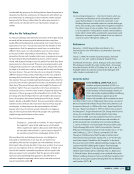
Rod Dubrow-Marshall, PhD, MBPsS, is
Programme Leader (with Linda Dubrow-
Marshall) for the new MSc Psychology
of Coercive Control in the Directorate
of Psychology and Public Health and is
Visiting Fellow in the Criminal Justice
Hub at the University of Salford, UK. Rod
is a social psychologist who has been
researching the psychology of coercion, influence, and cults
or extremist groups for more than twenty years, and he has
developed the Totalistic Identity Theory as an evidence-based
theory to explain and tackle coercion, abuse, and ideologically
driven violence. A graduate member of the British Psychological
Society, Rod is a member of the Board of Directors of the
International Cultic Studies Association and is also Chair of the
ICSA Research Committee and Network, and he is Coeditor of the
International Journal of Cultic Studies (since its inception in 2010).
Rod cofounded the Re-Entry Therapy Information and Referral
Network (RETIRN) UK in 2004 with Dr. Linda Dubrow-Marshall,
where he serves as a consultant in helping individuals and families
who have been adversely affected by destructive or damaging
cults and other extremist and high-demand/manipulative groups
or relationships (see www.retirn.com).
Maarten van de Donk studied at the
Erasmus University in Rotterdam. After a
period as alderman in one of the boroughs
in Rotterdam, he became consultant on
preventive youth programs and policy. In
both positions, he became involved with
work on countering radicalization. Since
2006, he has been working for the Radar
Cunsultancy Group, where since 2012 he has been working full-
time on this topic as one of the account managers in the Centre of
Excellence of the Radicalisation Awareness Network (RAN). Within
the Center, van de Donk is supporting the Prison and Probation
and EXIT working groups. He delivers trainings on radicalization
awareness and supporting EU member states in implementing
elements of preventing or countering violent extremism policy.
In the Netherlands, van de Donk is being accredited as a trainer
for the Dutch National Institute for Education on Radicalisation. In
this capacity, he delivered and codeveloped in-depth trainings for
prison staffs and imams.
Wessel Haanstra studied sociology at the
University of Amsterdam. After his study,
he started working at RadarAdvies, a
consultancy firm that operates in the social
domain. The majority of his work at Radar
revolved around projects concerning
the prevention of radicalization: the
evaluation of local P/CVE [preventing
and countering violent extremism] approaches and training on
radicalization awareness for first-line practitioners. Since 2015,
he has been working full-time on this topic as one of the account
managers in the Centre of Excellence (CoE) of the Radicalisation
Awareness Network (RAN), which serves as a hub in connecting,
developing, and disseminating expertise on the exchange of
experience, promising practices, and deliverables that contribute
to countering violent extremism. Within the Centre, Mr. Haanstra
is supported by EXIT’s Police working group and Youth, Families.
and Communities working group. In 2019, he started working
for the Project Management Bureau of the City of Amsterdam.
wesselhaanstra@hotmail.com n
2711