29 VOLUME 10 |ISSUE 1 |2019
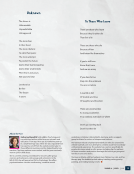
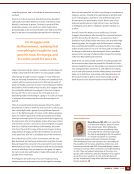
About the Reviewer
Doug Duncan, MS, LPC, was a member
of an aberrant religious group for more
than twenty years. After defying the
cult leader and marrying Wendy, they
eventually left the cult and Doug began
the task of rebuilding his life. He enrolled
in a master’s program in counseling
and earned a degree and license to practice therapy.
After working on their cult recovery issues by reading all
the available cult literature, attending conferences, and
becoming involved with ICSA, Doug and Wendy started a
ministry to increase others’ awareness and understanding
of cults. They are frequent presenters at churches, civic
groups, and conferences, and also facilitators of a support
group for former members of cults and high-demand
groups. Additionally, Doug offers individual counseling to
former members. n
controlling groups, and so should be of interest to many in
our field.
Once he is in the movement, Picciolini becomes absorbed
and totally committed. After his recruiter and mentor, Clark
Martell, is sent away to prison, Christian is quick to fill the
leadership vacuum, even while he is still in high school.
Unsurprisingly, as the movement takes more and more of his
time, he becomes increasingly estranged from his family of
origin. His propensity for violence escalates, and he drops out
of high school and finds himself in mounting legal troubles.
Interestingly, though Christian engages in many behaviors
that are shocking and abhorrent, he does not completely lose
contact with his own humanity, and in that are the seeds of
what eventually causes him to leave. It is horrifying to read his
descriptions of the terrible things he does, but it appears that
the sociopathic behavior he engages in does not comprise
his true self. This is not to excuse his criminality, but it is a
fascinating study in how being in a gang or in a cult can result
in a person dissociating from the more human aspects of
himself.
There is one particularly moving passage where the author
describes an incident in which he and some of his cohorts get
into a street fight with a group of young African-American
men. As the fight proceeds, Picciolini and his fellow gangsters
have one of their opponents on the ground and are brutally
kicking and stomping him. At one point while this happening,
the young man who is being beaten makes direct eye contact
with Christian and for a second, he cannot help but recognize
that this is a fellow human being. Unfortunately, this event
is far from the end of his reign of terror but it seems to have
impacted him strongly, and he still remembers this moment
many years later after he is completely out of the movement.
One of the drivers of Picciolini’s involvement with the neo-
Nazi skinheads was the heavy-metal, punk-rock style of music
that permeated the movement. He even starts his own band,
White American Youth. His involvement with music eventually
is part of what helps him get away from the gang: He opens
his own record store and begins to trade with people who are
outside of the movement.
A lot happens along the way, of course. He gets a young
woman pregnant and marries her and though the marriage
does not ultimately last, his wife is something of a moderating
influence on him. A friend of his gets killed in a skirmish with
some rival gangsters, and that is very disheartening to him.
At some point, he goes back to school. And in spite of his
lackluster performance in high school, it turns out that he
is intelligent and is able to establish a positive identity as a
student.
Overall, I found the book to be very affecting. Christian
struggles tremendously after leaving the movement because
all of his former friends shun him—an experience that is
familiar to most of the people who leave cults and other high-
demand groups. He struggles with disillusionment, realizing
that everything he fought for and gave his time, his energy,
and his entire youth for was a lie. He faces guilt and shame for
the things he did while in the movement, but he now finds
purpose and meaning in helping others escape the clutches
of the neo-Nazi/skinhead movement.
Sadly, there are more people out there recruiting people into
the movement than there are people like Christian Picciolini
trying to help them get out. Personally, I was surprised to find
how widespread this movement is, with adherents in places
such as law enforcement and the military where one would
hope not to find them. Fortunately, with the publication of
this book, Picciolini is able to reach more people and the
book deserves to be disseminated and read widely. n
He struggles with
disillusionment, realizing that
everything he fought for and
gave his time, his energy, and
his entire youth for was a lie.
About the Reviewer
Doug Duncan, MS, LPC, was a member
of an aberrant religious group for more
than twenty years. After defying the
cult leader and marrying Wendy, they
eventually left the cult and Doug began
the task of rebuilding his life. He enrolled
in a master’s program in counseling
and earned a degree and license to practice therapy.
After working on their cult recovery issues by reading all
the available cult literature, attending conferences, and
becoming involved with ICSA, Doug and Wendy started a
ministry to increase others’ awareness and understanding
of cults. They are frequent presenters at churches, civic
groups, and conferences, and also facilitators of a support
group for former members of cults and high-demand
groups. Additionally, Doug offers individual counseling to
former members. n
controlling groups, and so should be of interest to many in
our field.
Once he is in the movement, Picciolini becomes absorbed
and totally committed. After his recruiter and mentor, Clark
Martell, is sent away to prison, Christian is quick to fill the
leadership vacuum, even while he is still in high school.
Unsurprisingly, as the movement takes more and more of his
time, he becomes increasingly estranged from his family of
origin. His propensity for violence escalates, and he drops out
of high school and finds himself in mounting legal troubles.
Interestingly, though Christian engages in many behaviors
that are shocking and abhorrent, he does not completely lose
contact with his own humanity, and in that are the seeds of
what eventually causes him to leave. It is horrifying to read his
descriptions of the terrible things he does, but it appears that
the sociopathic behavior he engages in does not comprise
his true self. This is not to excuse his criminality, but it is a
fascinating study in how being in a gang or in a cult can result
in a person dissociating from the more human aspects of
himself.
There is one particularly moving passage where the author
describes an incident in which he and some of his cohorts get
into a street fight with a group of young African-American
men. As the fight proceeds, Picciolini and his fellow gangsters
have one of their opponents on the ground and are brutally
kicking and stomping him. At one point while this happening,
the young man who is being beaten makes direct eye contact
with Christian and for a second, he cannot help but recognize
that this is a fellow human being. Unfortunately, this event
is far from the end of his reign of terror but it seems to have
impacted him strongly, and he still remembers this moment
many years later after he is completely out of the movement.
One of the drivers of Picciolini’s involvement with the neo-
Nazi skinheads was the heavy-metal, punk-rock style of music
that permeated the movement. He even starts his own band,
White American Youth. His involvement with music eventually
is part of what helps him get away from the gang: He opens
his own record store and begins to trade with people who are
outside of the movement.
A lot happens along the way, of course. He gets a young
woman pregnant and marries her and though the marriage
does not ultimately last, his wife is something of a moderating
influence on him. A friend of his gets killed in a skirmish with
some rival gangsters, and that is very disheartening to him.
At some point, he goes back to school. And in spite of his
lackluster performance in high school, it turns out that he
is intelligent and is able to establish a positive identity as a
student.
Overall, I found the book to be very affecting. Christian
struggles tremendously after leaving the movement because
all of his former friends shun him—an experience that is
familiar to most of the people who leave cults and other high-
demand groups. He struggles with disillusionment, realizing
that everything he fought for and gave his time, his energy,
and his entire youth for was a lie. He faces guilt and shame for
the things he did while in the movement, but he now finds
purpose and meaning in helping others escape the clutches
of the neo-Nazi/skinhead movement.
Sadly, there are more people out there recruiting people into
the movement than there are people like Christian Picciolini
trying to help them get out. Personally, I was surprised to find
how widespread this movement is, with adherents in places
such as law enforcement and the military where one would
hope not to find them. Fortunately, with the publication of
this book, Picciolini is able to reach more people and the
book deserves to be disseminated and read widely. n
He struggles with
disillusionment, realizing that
everything he fought for and
gave his time, his energy, and
his entire youth for was a lie.