27 VOLUME 6 |ISSUE 3 |2015
Overall, Kennerson does an excellent job developing the
characters and relationships within the cult. The most striking
character is the cult leader, Adam. Kennerson accurately
and often shockingly captures the extreme unpredictability
that is characteristic of many cult leaders. The book opens
with the wedding of one of Twig’s closest friends. Adam is
late to the wedding, and although it is hot and there is little
respite from the sun, the whole group waits without moving
for Adam to arrive. Upon his arrival, the group members
are suddenly energized. In this very first glimpse of Adam,
Kennerson gently introduces us to the dynamic between
leader and follower—a dynamic in which members do not
question their leader and are willing, if not eager, to sacrifice
for him. Through Twig’s increasingly critical observations and
interactions with Adam, the reader is slowly exposed to the
horror of living with a man who is charming, electric, and
benevolent at times, while at other times tyrannical, cruel,
and erratic. The character of Adam is well developed and
nuanced, which is not an easy feat.
One relationship left somewhat unresolved is the one
between Twig and her mother, Avery. Avery and Twig
have a relationship in which Twig has become parentified.
She spends a great deal of energy worrying about her
mother staying out of trouble with leadership and about
her mother’s emotional health in fact, she often refers to
her mother as Avery in her internal dialogue. As the book
progresses, we learn more about Avery and how she came to
be recruited by the cult. However, there is no pivotal moment
of redemption for Avery. The reader is left with a sense of
understanding how Avery became involved in a cult, but
the reader is not compelled to forgive Avery for failing her
daughter. It may be difficult for the reader to sit with this lack
of absolution, but it is an accurate portrayal of the struggle
that children raised in cults often experience with their
parents.
I have only one small criticism of the book, which pertains
to Twig’s relationship with her peers within the cult. With
the exception of her relationship with her closest friend,
Ryan, Twig does not have close, trusting friendships with
the children she grew up with. Kennerson explains this as
resulting from the paranoia that comes with group members
being encouraged to spy on each other and report on one
another to leadership. The problem is that, in cults, although
this lack of close relationships may be true for adults, it is
not typically true for children. Often, children raised in cults
report having more intimate relationships with their peers.
Overall, the story has been crafted with complexity and
nuance. The reader is drawn into the world of Twig and
becomes invested in her search for the truth about her
world. It is well written for the target young-adult audience.
Most notably, readers will come away with an enhanced
understanding of cultic dynamics in an easy-to-digest format.
Additionally, this book is an important contribution to an
audience who otherwise might not be exposed to this topic.
Adolescence is a particularly important time to open up
discussion about critical thinking, about people and groups
that may promise grand solutions and all-encompassing
ideologies. This book has the ability to open these important
dialogues.
Marissa Kennerson holds a BA in English Literature and a
master’s degree in psychology and art therapy. She lives in
California with her family (husband and two boys). This is her
first novel.
While I have sought to be objective in the review of this
book, it should be noted that I was myself raised in a cult. n
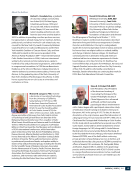
About the Reviewer
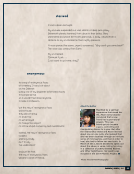
Ashley Allen, MSW, LSW, completed
her Master’s in Social Work at
Monmouth University. She has
presented on cults, with a particular
focus on second-generation former
cult members, at various mental-health
agencies in New Jersey, and at Rutgers
University and Monmouth University.
Ashley is currently serving on ICSA’s Education Initiative. n
...the reader is slowly
exposed to the horror of
living with a man who is
charming, electric, and
benevolent at times, while
at other times tyrannical,
cruel, and erratic.
Overall, Kennerson does an excellent job developing the
characters and relationships within the cult. The most striking
character is the cult leader, Adam. Kennerson accurately
and often shockingly captures the extreme unpredictability
that is characteristic of many cult leaders. The book opens
with the wedding of one of Twig’s closest friends. Adam is
late to the wedding, and although it is hot and there is little
respite from the sun, the whole group waits without moving
for Adam to arrive. Upon his arrival, the group members
are suddenly energized. In this very first glimpse of Adam,
Kennerson gently introduces us to the dynamic between
leader and follower—a dynamic in which members do not
question their leader and are willing, if not eager, to sacrifice
for him. Through Twig’s increasingly critical observations and
interactions with Adam, the reader is slowly exposed to the
horror of living with a man who is charming, electric, and
benevolent at times, while at other times tyrannical, cruel,
and erratic. The character of Adam is well developed and
nuanced, which is not an easy feat.
One relationship left somewhat unresolved is the one
between Twig and her mother, Avery. Avery and Twig
have a relationship in which Twig has become parentified.
She spends a great deal of energy worrying about her
mother staying out of trouble with leadership and about
her mother’s emotional health in fact, she often refers to
her mother as Avery in her internal dialogue. As the book
progresses, we learn more about Avery and how she came to
be recruited by the cult. However, there is no pivotal moment
of redemption for Avery. The reader is left with a sense of
understanding how Avery became involved in a cult, but
the reader is not compelled to forgive Avery for failing her
daughter. It may be difficult for the reader to sit with this lack
of absolution, but it is an accurate portrayal of the struggle
that children raised in cults often experience with their
parents.
I have only one small criticism of the book, which pertains
to Twig’s relationship with her peers within the cult. With
the exception of her relationship with her closest friend,
Ryan, Twig does not have close, trusting friendships with
the children she grew up with. Kennerson explains this as
resulting from the paranoia that comes with group members
being encouraged to spy on each other and report on one
another to leadership. The problem is that, in cults, although
this lack of close relationships may be true for adults, it is
not typically true for children. Often, children raised in cults
report having more intimate relationships with their peers.
Overall, the story has been crafted with complexity and
nuance. The reader is drawn into the world of Twig and
becomes invested in her search for the truth about her
world. It is well written for the target young-adult audience.
Most notably, readers will come away with an enhanced
understanding of cultic dynamics in an easy-to-digest format.
Additionally, this book is an important contribution to an
audience who otherwise might not be exposed to this topic.
Adolescence is a particularly important time to open up
discussion about critical thinking, about people and groups
that may promise grand solutions and all-encompassing
ideologies. This book has the ability to open these important
dialogues.
Marissa Kennerson holds a BA in English Literature and a
master’s degree in psychology and art therapy. She lives in
California with her family (husband and two boys). This is her
first novel.
While I have sought to be objective in the review of this
book, it should be noted that I was myself raised in a cult. n
About the Reviewer
Ashley Allen, MSW, LSW, completed
her Master’s in Social Work at
Monmouth University. She has
presented on cults, with a particular
focus on second-generation former
cult members, at various mental-health
agencies in New Jersey, and at Rutgers
University and Monmouth University.
Ashley is currently serving on ICSA’s Education Initiative. n
...the reader is slowly
exposed to the horror of
living with a man who is
charming, electric, and
benevolent at times, while
at other times tyrannical,
cruel, and erratic.