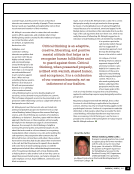
Dear Friends,
In the early days of the cult-awareness movement, when people talked or wrote about cults,
they dealt mostly with specific groups. Sensational headlines and horror stories dominated
the conversation. A major goal of ICSA has been to turn the conversation away from whether
a particular movement is or is not a cult, and focus instead on understanding how and why
some people are able to exert harmful control over other people, and where that dynamic fits
on the broad continuum of human relations.
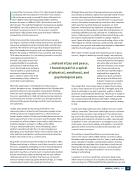
After leaving a large-group awareness training in the early 1980s, I became involved with an
organization that was bringing awareness of cults to the public. In my experience working
with families of cult-involved loved ones and conducting interventions, I learned that not all
cult members were having the same response to the harmful techniques and pressures of
the group. And varying groups used varying techniques in varying strengths to produce the
results they wanted.
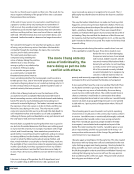
It was a fortunate time to attend conferences and interact with cultic-studies pioneers such
as Margaret Singer, Robert Lifton, and “Jolly” West. Later, ICSA (then the American Family
Foundation), guided by Michael Langone and Herb Rosedale, encouraged a more nuanced
understanding of cultic groups. Personally, this change also brought a great amount of
healing to me.
When I retired from intervention work, I saw that there needed to be more outreach to former
members in their recovery. Not all had access to the wonderful services of retreat centers
such as Wellspring and MeadowHaven. A great many members left groups on their own
and struggled with feelings of self-blame, unrecognized triggers, and figuring out how to
survive and get on with their lives. ICSA saw that this was an area that required attention. We
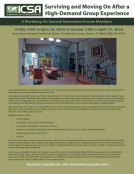
began a new outreach through recovery workshops and sessions for former members only
within cultic-studies conferences. We developed a whole new workshop for adults who had
been born or raised in cultic groups—second-generation former members—to address their
unique recovery issues.
This issue of ICSA Today speaks of a nuanced and evidence-based approach to the concerns
of the cult arena. The essays by Herb Rosedale, Michael Langone, and Russell Bradshaw are
of utmost importance to an understanding of the challenges associated with attempting to
define the term cult. Steve Eichel’s essay offers greatly needed guidance to families concerned
about a loved one’s involvement with a high-demand group or relationship.
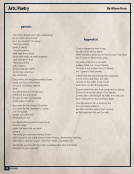
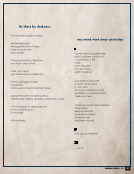
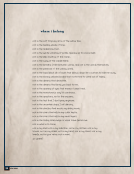
The issue also includes the very personal writings of two women about their experiences, one
in an abusive religious community, the other under the malign control of a single individual
and also a review of a book about a child born and raised in a cultic group. The reviewer was
herself born and raised in a cultic group, and is now a therapist helping others understand
and recover from such experiences.
In closing, I want to acknowledge the courage it takes for former members not only to recover
from the damage done to their lives, but also to express themselves in writing, art, and
poetry, and to help others regain their lives.
Sincerely,
Carol Giambalvo
About ICSA Today
ICSA Today (IT) serves ICSA members by
providing information that enhances
understanding of all aspects of the cult
phenomenon, including how groups
function, how they affect members,
techniques of influence, dealing with
harmful effects, educational and legal
implications, and other subjects.
ICSA Today issues may include
• practical articles for former
members, families, helping
professionals, researchers,
and others
• opinion essays
• theoretical articles
• reports on research
• summaries of news reports on
groups
• information on books, articles, links
• information on ICSA members
• biographical profiles on selected
members
• personal accounts
• art work
• poetry
• short stories and other literary
articles
• special reports from correspondents
around the world
ICSA Today is published three times a
year.
Regular ICSA members receive the print
edition of ICSA Today and have access
to its Web edition. Students and other
special members gain access to the
online edition only.
Nonmember print subscriptions are
available. Submissions to the magazine
should be sent to the Editor-in-Chief,
Michael Langone, PhD:
mail@icsamail.com
We prefer Microsoft Word or a program
compatible with Word. Articles should
be no more than 2,500 words. Please
include a jpeg photo (less than 150 KB)
and biographical sketch (less than 150
words) with your submission.
Appropriate submissions are reviewed
by the relevant section editor and,
when appropriate, editorial review
advisors.
International Cultic Studies Association
P.O. Box 2265 • Bonita Springs, FL 34133
Phone: 239.514.3081
Email: mail@icsamail.com
Website: icsahome.com
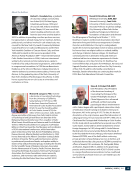
Carol Giambalvo is a former cult member who has retired as a thought-
reform consultant. She is a cofounder of reFOCUS, a national support
network for former cult members. She is on ICSA’s Board of Directors,
Director of ICSA’s Recovery Programs, and is responsible for its Project
Outreach. She is author of Exit Counseling: A Family Intervention coeditor
of The Boston Movement: Critical Perspectives on the International Churches
of Christ coauthor of Ethical Standards for Thought Reform Consultants
and coauthor (with Rosanne Henry, MA, LPC) of “The Colorado Model”
(in ICSA Today, 1(1), 2010). Ms. Giambalvo has written and lectured extensively on cult-
related topics. In 2008 and 2010 (shared with the other Colorado workshop facilitators), Ms.
Giambalvo received ICSA’s Margaret T. Singer Award. n
In the early days of the cult-awareness movement, when people talked or wrote about cults,
they dealt mostly with specific groups. Sensational headlines and horror stories dominated
the conversation. A major goal of ICSA has been to turn the conversation away from whether
a particular movement is or is not a cult, and focus instead on understanding how and why
some people are able to exert harmful control over other people, and where that dynamic fits
on the broad continuum of human relations.
After leaving a large-group awareness training in the early 1980s, I became involved with an
organization that was bringing awareness of cults to the public. In my experience working
with families of cult-involved loved ones and conducting interventions, I learned that not all
cult members were having the same response to the harmful techniques and pressures of
the group. And varying groups used varying techniques in varying strengths to produce the
results they wanted.
It was a fortunate time to attend conferences and interact with cultic-studies pioneers such
as Margaret Singer, Robert Lifton, and “Jolly” West. Later, ICSA (then the American Family
Foundation), guided by Michael Langone and Herb Rosedale, encouraged a more nuanced
understanding of cultic groups. Personally, this change also brought a great amount of
healing to me.
When I retired from intervention work, I saw that there needed to be more outreach to former
members in their recovery. Not all had access to the wonderful services of retreat centers
such as Wellspring and MeadowHaven. A great many members left groups on their own
and struggled with feelings of self-blame, unrecognized triggers, and figuring out how to
survive and get on with their lives. ICSA saw that this was an area that required attention. We
began a new outreach through recovery workshops and sessions for former members only
within cultic-studies conferences. We developed a whole new workshop for adults who had
been born or raised in cultic groups—second-generation former members—to address their
unique recovery issues.
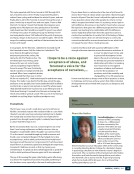
This issue of ICSA Today speaks of a nuanced and evidence-based approach to the concerns
of the cult arena. The essays by Herb Rosedale, Michael Langone, and Russell Bradshaw are
of utmost importance to an understanding of the challenges associated with attempting to
define the term cult. Steve Eichel’s essay offers greatly needed guidance to families concerned
about a loved one’s involvement with a high-demand group or relationship.
The issue also includes the very personal writings of two women about their experiences, one
in an abusive religious community, the other under the malign control of a single individual
and also a review of a book about a child born and raised in a cultic group. The reviewer was
herself born and raised in a cultic group, and is now a therapist helping others understand
and recover from such experiences.
In closing, I want to acknowledge the courage it takes for former members not only to recover
from the damage done to their lives, but also to express themselves in writing, art, and
poetry, and to help others regain their lives.
Sincerely,
Carol Giambalvo
About ICSA Today
ICSA Today (IT) serves ICSA members by
providing information that enhances
understanding of all aspects of the cult
phenomenon, including how groups
function, how they affect members,
techniques of influence, dealing with
harmful effects, educational and legal
implications, and other subjects.
ICSA Today issues may include
• practical articles for former
members, families, helping
professionals, researchers,
and others
• opinion essays
• theoretical articles
• reports on research
• summaries of news reports on
groups
• information on books, articles, links
• information on ICSA members
• biographical profiles on selected
members
• personal accounts
• art work
• poetry
• short stories and other literary
articles
• special reports from correspondents
around the world
ICSA Today is published three times a
year.
Regular ICSA members receive the print
edition of ICSA Today and have access
to its Web edition. Students and other
special members gain access to the
online edition only.
Nonmember print subscriptions are
available. Submissions to the magazine
should be sent to the Editor-in-Chief,
Michael Langone, PhD:
mail@icsamail.com
We prefer Microsoft Word or a program
compatible with Word. Articles should
be no more than 2,500 words. Please
include a jpeg photo (less than 150 KB)
and biographical sketch (less than 150
words) with your submission.
Appropriate submissions are reviewed
by the relevant section editor and,
when appropriate, editorial review
advisors.
International Cultic Studies Association
P.O. Box 2265 • Bonita Springs, FL 34133
Phone: 239.514.3081
Email: mail@icsamail.com
Website: icsahome.com
Carol Giambalvo is a former cult member who has retired as a thought-
reform consultant. She is a cofounder of reFOCUS, a national support
network for former cult members. She is on ICSA’s Board of Directors,
Director of ICSA’s Recovery Programs, and is responsible for its Project
Outreach. She is author of Exit Counseling: A Family Intervention coeditor
of The Boston Movement: Critical Perspectives on the International Churches
of Christ coauthor of Ethical Standards for Thought Reform Consultants
and coauthor (with Rosanne Henry, MA, LPC) of “The Colorado Model”
(in ICSA Today, 1(1), 2010). Ms. Giambalvo has written and lectured extensively on cult-
related topics. In 2008 and 2010 (shared with the other Colorado workshop facilitators), Ms.
Giambalvo received ICSA’s Margaret T. Singer Award. n