VOLUME 13 |ISSUE 3 |2022 29
It says, “If you think you know
exactly what all cult followers look
like, feel sure you can recognize a
cult from a mile away, and would
never be so gullible as to get duped
into joining one, think again!”
work. Who of our classmates to sleep with, marry,
divorce. What to think. What scientific truths should
be disbelieved. What social conventions should be
ignored. Whether someone’s child should be given
up for adoption to other students. Whether a gay
male student should be married off to a female
student in order to be “straightened out.” Whether
to cut off relationships with family and friends. She
instructed some of us to cheat on our spouses and
sleep with other students. She married off some of
us to complete strangers. She had us labor on huge
construction projects for free. Some were privileged
to help her launder cash and commit tax fraud. We
would do anything for her. Some would have gone to
jail or killed for S, our teacher, Sharon Gans. (pp. 14-15)
Schneider tells very movingly of the long, complicated,
and excruciating process of becoming disillusioned and
finally leaving. Since, over time, his law practice had become
dependent on work for one fellow group member, at the age
of fifty-three, he literally walked away with nothing. I quote
the following passage because it says so much about what
I, and I believe countless others, have felt upon leaving our
respective groups:
I was free… I could do anything. Yet this was a
freedom not unlike that of the prisoner who, having
served a two-decade sentence for a crime he didn’t
commit, walks out of the prison gates and is met
by no one, has nowhere to go, has nothing but the
clothes on his back… My nerves and emotional
state were in free fall. I was having nightmares that
I was still in School being humiliated and ridiculed
by Sharon and my classmates… My thoughts were
still School thoughts, centered on the conviction
that I alone had caused my misfortune, that my
flaws were permanent, and that I didn’t have any
answers. My “self” had been ground away, snuffed
out during the past twenty-three years. My dignity,
self-esteem, pride, and self-reliance were distant
memories. I was unable to discern reality: I thought
that all I had accomplished in my life were gifts from
School and that all the troubles Sharon caused me
were my fault. Now, I had nothing. It dawned on me
it was going to be harder to get over School than it
was to get out. I didn’t have the tools, energy, or the
will to do this on my own. I called [a psychiatrist] to
schedule an appointment. I told him it was urgent,
and what was going on. He told me to come in the
next day. (pp. 233-234)
With the help of this excellent mental health practitioner and
the loving support of the family and friends whom he had
pushed away for so long, Schneider slowly began to make
his way towards reclaiming his self and his life. We can be
very glad he did, too, not only for him but for the rest of us.
In addition to being an engrossing page-turner, Manhattan
Cult Story is invaluable because it helps explain how even
the strongest, smartest, and most highly educated among us
can become entangled in an abusive relationship, a coercive
control group, or a full-on cult. It says, “If you think you know
exactly what all cult followers look like, feel sure you can
recognize a cult from a mile away, and would never be so
gullible as to get duped into joining one, think again!” n
Note
[1] Page references in this review are to the Kindle version of
the book.
About the Reviewer
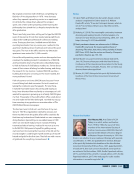
Donna Lamb was born and raised in
Kansas City, Missouri. As a teenager, she
moved to New York City where she became
involved with Aesthetic Realism for the
next 32 years. Her journalism began with
a weekly column on Aesthetic Realism for
an African American newspaper in San
Antonio, Texas. Due to the group’s strict control over her
writing, she authored a piece under the pen name Laura
Douglas to help save a Harlem bookstore, which won a prize
from The New York Association of Black Journalists. After
leaving Aesthetic Realism over her staunch disagreement
with its approach to racism and reparations, she became a
staff writer for Caribbean Life and a contributor to several
other local publications, covering the New York City Council
and social justice issues. She wrote about her experiences
getting arrested protesting police brutality, visiting an
inmate in a maximum-security prison, and standing at her
brother’s bedside after he had been declared brain dead as
he was being prepared to become an organ donor—all in
the hope of giving courage to others. Now retired, Donna is a
churchwarden at Church of the Holy Apostles in Manhattan
and a volunteer at the church’s soup kitchen and food
pantry. Her article “From Dream Come True to Nightmare, My
Aesthetic Realism Experience” appeared in ICSA Today 12(2). n
It says, “If you think you know
exactly what all cult followers look
like, feel sure you can recognize a
cult from a mile away, and would
never be so gullible as to get duped
into joining one, think again!”
work. Who of our classmates to sleep with, marry,
divorce. What to think. What scientific truths should
be disbelieved. What social conventions should be
ignored. Whether someone’s child should be given
up for adoption to other students. Whether a gay
male student should be married off to a female
student in order to be “straightened out.” Whether
to cut off relationships with family and friends. She
instructed some of us to cheat on our spouses and
sleep with other students. She married off some of
us to complete strangers. She had us labor on huge
construction projects for free. Some were privileged
to help her launder cash and commit tax fraud. We
would do anything for her. Some would have gone to
jail or killed for S, our teacher, Sharon Gans. (pp. 14-15)
Schneider tells very movingly of the long, complicated,
and excruciating process of becoming disillusioned and
finally leaving. Since, over time, his law practice had become
dependent on work for one fellow group member, at the age
of fifty-three, he literally walked away with nothing. I quote
the following passage because it says so much about what
I, and I believe countless others, have felt upon leaving our
respective groups:
I was free… I could do anything. Yet this was a
freedom not unlike that of the prisoner who, having
served a two-decade sentence for a crime he didn’t
commit, walks out of the prison gates and is met
by no one, has nowhere to go, has nothing but the
clothes on his back… My nerves and emotional
state were in free fall. I was having nightmares that
I was still in School being humiliated and ridiculed
by Sharon and my classmates… My thoughts were
still School thoughts, centered on the conviction
that I alone had caused my misfortune, that my
flaws were permanent, and that I didn’t have any
answers. My “self” had been ground away, snuffed
out during the past twenty-three years. My dignity,
self-esteem, pride, and self-reliance were distant
memories. I was unable to discern reality: I thought
that all I had accomplished in my life were gifts from
School and that all the troubles Sharon caused me
were my fault. Now, I had nothing. It dawned on me
it was going to be harder to get over School than it
was to get out. I didn’t have the tools, energy, or the
will to do this on my own. I called [a psychiatrist] to
schedule an appointment. I told him it was urgent,
and what was going on. He told me to come in the
next day. (pp. 233-234)
With the help of this excellent mental health practitioner and
the loving support of the family and friends whom he had
pushed away for so long, Schneider slowly began to make
his way towards reclaiming his self and his life. We can be
very glad he did, too, not only for him but for the rest of us.
In addition to being an engrossing page-turner, Manhattan
Cult Story is invaluable because it helps explain how even
the strongest, smartest, and most highly educated among us
can become entangled in an abusive relationship, a coercive
control group, or a full-on cult. It says, “If you think you know
exactly what all cult followers look like, feel sure you can
recognize a cult from a mile away, and would never be so
gullible as to get duped into joining one, think again!” n
Note
[1] Page references in this review are to the Kindle version of
the book.
About the Reviewer
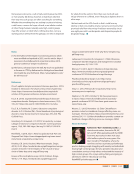
Donna Lamb was born and raised in
Kansas City, Missouri. As a teenager, she
moved to New York City where she became
involved with Aesthetic Realism for the
next 32 years. Her journalism began with
a weekly column on Aesthetic Realism for
an African American newspaper in San
Antonio, Texas. Due to the group’s strict control over her
writing, she authored a piece under the pen name Laura
Douglas to help save a Harlem bookstore, which won a prize
from The New York Association of Black Journalists. After
leaving Aesthetic Realism over her staunch disagreement
with its approach to racism and reparations, she became a
staff writer for Caribbean Life and a contributor to several
other local publications, covering the New York City Council
and social justice issues. She wrote about her experiences
getting arrested protesting police brutality, visiting an
inmate in a maximum-security prison, and standing at her
brother’s bedside after he had been declared brain dead as
he was being prepared to become an organ donor—all in
the hope of giving courage to others. Now retired, Donna is a
churchwarden at Church of the Holy Apostles in Manhattan
and a volunteer at the church’s soup kitchen and food
pantry. Her article “From Dream Come True to Nightmare, My
Aesthetic Realism Experience” appeared in ICSA Today 12(2). n