VOLUME 13 |ISSUE 3 |2022 9
S
tudying cults can be depressing—just listen to a
survivor’s tearful testimonial or read many of the news
briefs at the back of ICSA Today. In the legal field, with so
many barriers to justice, the whole endeavor may sometimes
feel hopeless. So today I’d like to share a story with a happy
ending. It’s the account of how this humble ICSA member was
taken to court by an aggressive cult leader—and won.
The story begins when I wrote a paper in the early 2010s about
two Zen teachers accused of abusing their students. One was
a Japanese monk named Eido Shimano living in New York,
and the other a long-time Zen practitioner and gynecologist
named Klaus Zernickow residing in Berlin. Nobody in America
had heard of Zernickow, but rumors of his misconduct, mostly
anonymous blog posts, had circulated in Germany. In my
research, I had gotten to know some of Zernickow’s accusers
and was convinced they were telling the truth. They struck me
as earnest spiritual seekers whose trust had been exploited,
sometimes shockingly, by a teacher whose power seemed to
have gone to his head. Despite it being the students’ word
against the master’s, I felt that the allegations were credible
enough to justify publishing to a wider audience.
It wasn’t an easy decision to put Zernickow’s name on what
had been, until that point, anonymous online rumors. After
all, the accusations against him included making false claims
about his credentials, exploiting his members financially, and
even sexually preying on his patients. One doesn’t just put
things like that in print, especially about a rich and powerful
doctor in the capital of Germany. But I decided that if I drafted
the paper carefully enough and stayed on the fence about
whether the allegations were actually true, the paper could
still be worthwhile. And so I did: I wrote it, presented it at
the 2012 ICSA conference in Montreal, and put it online on a
variety of Buddhist websites. It got a few mentions (including
in ICSA Today), generated some positive discussion in the Zen
community, and that was the end of it.
Fast-forward to 2020 and the beginning of the COVID-19
scare. The whole world was in a panic, people in Europe were
dying in droves, and Germany was in full lockdown. My small
Zen center in Munich was closed by government order (along
with everything else), so I was only dropping in once a week
to water the plants. When I saw an envelope from a law firm in
Rostock in my mailbox, that old ICSA paper was the last thing
on my mind. But as I skimmed the letter, it dawned on me:
Almost ten years later—and in the middle of a pandemic—Dr.
Klaus Zernickow was actually suing me for defamation.
Despite all my careful wording at the time, Zernickow’s
lawyers pronounced the paper a vicious lie and demanded
its immediate removal. At the very least, they wanted
eleven pages stricken from the published version. They
even suggested that the ex-members interviewed (and kept
anonymous for their own protection) didn’t exist. In page after
page of legalese, my paper was called “pseudo-academic,” a
“smear campaign,” “fabricated,” and aimed solely at ruining
Zernickow’s impeccable reputation. Yet despite all the
aggressive rhetoric, they didn’t seem to be providing much
actual evidence to support their position. I remained cautiously
optimistic, especially after finding out—a few frantic emails
later—that my own sources were all still available and willing
to testify if needed.
Of course, even though I was pretty sure of my case, there
is always a risk that a judge will see things differently, and
litigation can be very expensive even if one does end up
winning. That’s why many survivors of cults and other abusive
situations never to go to a lawyer in the first place. Groups like
Scientology—or in my case, the rich gynecologist—know this
and use the courts to silence their accusers accordingly. I was
lucky to have a lawyer friend who believed in my case and
was willing to represent me for free. Without him, I most likely
would have had to give up as well and delete the paper, no
matter how confident I was about the underlying facts.
So today I’d like to share a
story with a happy ending.
… how this humble ICSA
member was taken to court
by an aggressive cult leader—
and won.
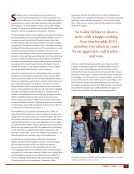
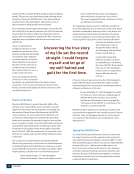
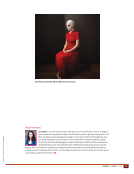
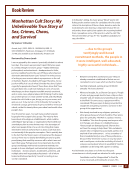
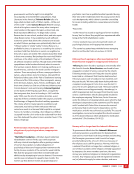
Christopher Hamacher (middle) celebrates with witnesses in front of the
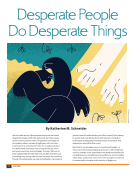
courthouse in Berlin on Dec. 14, 2021. Illustartion
by
Jude
Iannelli
S
tudying cults can be depressing—just listen to a
survivor’s tearful testimonial or read many of the news
briefs at the back of ICSA Today. In the legal field, with so
many barriers to justice, the whole endeavor may sometimes
feel hopeless. So today I’d like to share a story with a happy
ending. It’s the account of how this humble ICSA member was
taken to court by an aggressive cult leader—and won.
The story begins when I wrote a paper in the early 2010s about
two Zen teachers accused of abusing their students. One was
a Japanese monk named Eido Shimano living in New York,
and the other a long-time Zen practitioner and gynecologist
named Klaus Zernickow residing in Berlin. Nobody in America
had heard of Zernickow, but rumors of his misconduct, mostly
anonymous blog posts, had circulated in Germany. In my
research, I had gotten to know some of Zernickow’s accusers
and was convinced they were telling the truth. They struck me
as earnest spiritual seekers whose trust had been exploited,
sometimes shockingly, by a teacher whose power seemed to
have gone to his head. Despite it being the students’ word
against the master’s, I felt that the allegations were credible
enough to justify publishing to a wider audience.
It wasn’t an easy decision to put Zernickow’s name on what
had been, until that point, anonymous online rumors. After
all, the accusations against him included making false claims
about his credentials, exploiting his members financially, and
even sexually preying on his patients. One doesn’t just put
things like that in print, especially about a rich and powerful
doctor in the capital of Germany. But I decided that if I drafted
the paper carefully enough and stayed on the fence about
whether the allegations were actually true, the paper could
still be worthwhile. And so I did: I wrote it, presented it at
the 2012 ICSA conference in Montreal, and put it online on a
variety of Buddhist websites. It got a few mentions (including
in ICSA Today), generated some positive discussion in the Zen
community, and that was the end of it.
Fast-forward to 2020 and the beginning of the COVID-19
scare. The whole world was in a panic, people in Europe were
dying in droves, and Germany was in full lockdown. My small
Zen center in Munich was closed by government order (along
with everything else), so I was only dropping in once a week
to water the plants. When I saw an envelope from a law firm in
Rostock in my mailbox, that old ICSA paper was the last thing
on my mind. But as I skimmed the letter, it dawned on me:
Almost ten years later—and in the middle of a pandemic—Dr.
Klaus Zernickow was actually suing me for defamation.
Despite all my careful wording at the time, Zernickow’s
lawyers pronounced the paper a vicious lie and demanded
its immediate removal. At the very least, they wanted
eleven pages stricken from the published version. They
even suggested that the ex-members interviewed (and kept
anonymous for their own protection) didn’t exist. In page after
page of legalese, my paper was called “pseudo-academic,” a
“smear campaign,” “fabricated,” and aimed solely at ruining
Zernickow’s impeccable reputation. Yet despite all the
aggressive rhetoric, they didn’t seem to be providing much
actual evidence to support their position. I remained cautiously
optimistic, especially after finding out—a few frantic emails
later—that my own sources were all still available and willing
to testify if needed.
Of course, even though I was pretty sure of my case, there
is always a risk that a judge will see things differently, and
litigation can be very expensive even if one does end up
winning. That’s why many survivors of cults and other abusive
situations never to go to a lawyer in the first place. Groups like
Scientology—or in my case, the rich gynecologist—know this
and use the courts to silence their accusers accordingly. I was
lucky to have a lawyer friend who believed in my case and
was willing to represent me for free. Without him, I most likely
would have had to give up as well and delete the paper, no
matter how confident I was about the underlying facts.
So today I’d like to share a
story with a happy ending.
… how this humble ICSA
member was taken to court
by an aggressive cult leader—
and won.
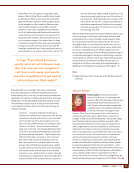
Christopher Hamacher (middle) celebrates with witnesses in front of the
courthouse in Berlin on Dec. 14, 2021. Illustartion
by
Jude
Iannelli