ICSA TODAY 28
is probably the most crucial qualification. The
candidate needs to be unhappy or dissatisfied
about something important in their life and looking
for answers, meaning, and help. Not despairing, but
disappointed: empty. (p. 91)
In his description of how he became involved, Schneider does
us a great service: he traces explicitly the steps by which he
was pulled in. In 1989 at the age of twenty-nine, Schneider
was working as a corporate lawyer at a Park Avenue law firm.
The twelve-hour days and long weekends doing grunt work
to help large corporations had nothing to do with the noble
Atticus Finch-type work he had envisioned himself as doing
when he chose the profession. And even though it had been
four years since his father died, he was still grappling with his
grief over that loss. Most of his closest friends were getting
married and moving to the suburbs. Even though he lived in
a fine Greenwich Village apartment, had all the wonders of
Manhattan at his fingertips, and earned a salary many would
envy, he felt isolated, bored, and lonely.
When an acquaintance he calls Bruce first told him about the
School’s existence and invited him to a class, Schneider was
skeptical and even said it sounded cultish. However, Bruce
assured him it was the farthest thing from a cult: People were
free to come and go all he needed to do was commit to a
one-month experiment. After that first free month, tuition
was only $300 per month.
Schneider decided to check it out, more out of curiosity than
any serious interest. As he found out, School was based on the
philosophy of G.I. Gurdjieff and P.D. Ouspensky, two Russian
mystics who cobbled together several Eastern and Western
spiritual theories. The theory of “the Work” or “Fourth Way” as
it was called, was that with the assistance of a teacher within
a school setting, a student could achieve, through many years
of sustained effort, a high level of self-awareness that would
transform their life.
Schneider writes that he found the first class he attended
almost impossible to follow, and he left rather unimpressed.
What happened next is, again, a frequent recruitment method
of cultic groups. It is unlikely he would have returned if he
hadn’t gotten a phone call the next day from a man whom
he calls Morton, a “friend” from School, who said he would
be Schneider’s sustainer. He explained that a sustainer is an
older student with whom a new student would be able to
talk outside of class, one on one, about everything discussed
in class, the readings they would be doing, and anything else
the new student wished to talk about regarding himself.
For the next year and a half, Morton called Schneider every
single day. Schneider had never had anyone take such an
interest in him before. Very soon, he became dependent
on Morton’s calls, in which Morton never told him anything
about himself they only spoke about Schneider and his
problems. He revealed everything about his life to Morton—
not knowing that Morton was reporting every word back to
Sharon Gans.
Schneider began looking forward to classes. He had a
bachelor’s degree in philosophy, and the classes provided
some of the intellectual rigor he had missed after his college
days. They read and talked about ideas, ideologies, and ways
of life. He also thought that some of the teachings of the Work
seemed helpful, such as self-observation, the act of trying to
step back and see what thoughts, emotions, and sensations
he was experiencing at any given moment.
Almost immediately, in classic cult fashion, Schneider
began spending less time with any of his old friends and
his family, all of whom he came to see as less important
than his “essence friends,” as the people in the cult referred
to themselves. After all, he wasn’t allowed to speak about
School and the Work with anyone outside, plus he thought
they wouldn’t understand even if he did. He was being drawn
deeper into the cult’s magical thinking, such as believing that
School protected him from the “pain factory” of life and that
every positive event in his life was the direct result of being in
School. Conversely, anything bad that happened to him was
because he wasn’t yet sufficiently proficient at the Work.
It was only after having attended school for a while that
Schneider actually saw Sharon Gans for the first time. His first
impression of her was that she looked “positively nuts.” She
had a “wild mane of Halloween-orange hair” piled high atop
her head, wore a flowing black dress with a silk scarf, and
was bedecked with jewelry. However, influenced by others’
adulation of her, he soon fell under her spell:
We revered our teacher—whose name we were
forbidden to utter outside her presence—referred
to simply as “S.” There she was, upstairs in the Space,
recumbent on her leather recliner, surrounded by
sixty of us seated on white stackable metal chairs,
hanging on every one of her words. ...We weren’t
engrossed—we were transfixed, under her total
command. We felt her brilliance, her emanations,
her love (or wrath), her ferocity, her power. (p. 14)
Because he describes so successfully the external and internal
dynamics through which someone becomes a devotee, the
reader is able to believe the result:
For S we would do anything. She gave us detailed
directions on how to live our lives. ...Where to
In his description of how he became
involved, Schneider does us a great
service: he traces explicitly the steps
by which he was pulled in.
is probably the most crucial qualification. The
candidate needs to be unhappy or dissatisfied
about something important in their life and looking
for answers, meaning, and help. Not despairing, but
disappointed: empty. (p. 91)
In his description of how he became involved, Schneider does
us a great service: he traces explicitly the steps by which he
was pulled in. In 1989 at the age of twenty-nine, Schneider
was working as a corporate lawyer at a Park Avenue law firm.
The twelve-hour days and long weekends doing grunt work
to help large corporations had nothing to do with the noble
Atticus Finch-type work he had envisioned himself as doing
when he chose the profession. And even though it had been
four years since his father died, he was still grappling with his
grief over that loss. Most of his closest friends were getting
married and moving to the suburbs. Even though he lived in
a fine Greenwich Village apartment, had all the wonders of
Manhattan at his fingertips, and earned a salary many would
envy, he felt isolated, bored, and lonely.
When an acquaintance he calls Bruce first told him about the
School’s existence and invited him to a class, Schneider was
skeptical and even said it sounded cultish. However, Bruce
assured him it was the farthest thing from a cult: People were
free to come and go all he needed to do was commit to a
one-month experiment. After that first free month, tuition
was only $300 per month.
Schneider decided to check it out, more out of curiosity than
any serious interest. As he found out, School was based on the
philosophy of G.I. Gurdjieff and P.D. Ouspensky, two Russian
mystics who cobbled together several Eastern and Western
spiritual theories. The theory of “the Work” or “Fourth Way” as
it was called, was that with the assistance of a teacher within
a school setting, a student could achieve, through many years
of sustained effort, a high level of self-awareness that would
transform their life.
Schneider writes that he found the first class he attended
almost impossible to follow, and he left rather unimpressed.
What happened next is, again, a frequent recruitment method
of cultic groups. It is unlikely he would have returned if he
hadn’t gotten a phone call the next day from a man whom
he calls Morton, a “friend” from School, who said he would
be Schneider’s sustainer. He explained that a sustainer is an
older student with whom a new student would be able to
talk outside of class, one on one, about everything discussed
in class, the readings they would be doing, and anything else
the new student wished to talk about regarding himself.
For the next year and a half, Morton called Schneider every
single day. Schneider had never had anyone take such an
interest in him before. Very soon, he became dependent
on Morton’s calls, in which Morton never told him anything
about himself they only spoke about Schneider and his
problems. He revealed everything about his life to Morton—
not knowing that Morton was reporting every word back to
Sharon Gans.
Schneider began looking forward to classes. He had a
bachelor’s degree in philosophy, and the classes provided
some of the intellectual rigor he had missed after his college
days. They read and talked about ideas, ideologies, and ways
of life. He also thought that some of the teachings of the Work
seemed helpful, such as self-observation, the act of trying to
step back and see what thoughts, emotions, and sensations
he was experiencing at any given moment.
Almost immediately, in classic cult fashion, Schneider
began spending less time with any of his old friends and
his family, all of whom he came to see as less important
than his “essence friends,” as the people in the cult referred
to themselves. After all, he wasn’t allowed to speak about
School and the Work with anyone outside, plus he thought
they wouldn’t understand even if he did. He was being drawn
deeper into the cult’s magical thinking, such as believing that
School protected him from the “pain factory” of life and that
every positive event in his life was the direct result of being in
School. Conversely, anything bad that happened to him was
because he wasn’t yet sufficiently proficient at the Work.
It was only after having attended school for a while that
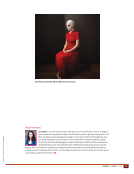
Schneider actually saw Sharon Gans for the first time. His first
impression of her was that she looked “positively nuts.” She
had a “wild mane of Halloween-orange hair” piled high atop
her head, wore a flowing black dress with a silk scarf, and
was bedecked with jewelry. However, influenced by others’
adulation of her, he soon fell under her spell:
We revered our teacher—whose name we were
forbidden to utter outside her presence—referred
to simply as “S.” There she was, upstairs in the Space,
recumbent on her leather recliner, surrounded by
sixty of us seated on white stackable metal chairs,
hanging on every one of her words. ...We weren’t
engrossed—we were transfixed, under her total
command. We felt her brilliance, her emanations,
her love (or wrath), her ferocity, her power. (p. 14)
Because he describes so successfully the external and internal
dynamics through which someone becomes a devotee, the
reader is able to believe the result:
For S we would do anything. She gave us detailed
directions on how to live our lives. ...Where to
In his description of how he became
involved, Schneider does us a great
service: he traces explicitly the steps
by which he was pulled in.